
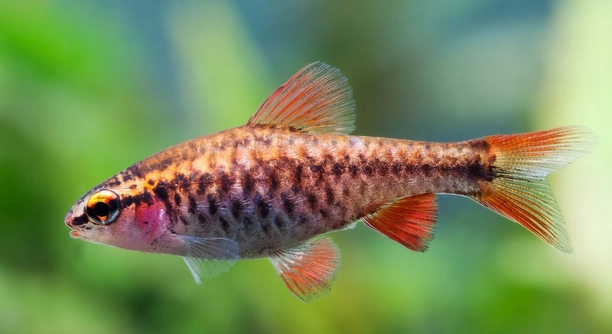
Rapid gill movement in cherry barbs can be a sign of various underlying issues. It’s important to understand why this happens to ensure the health of your fish. In this article, we explore the reasons behind this behavior.
The primary causes of rapid gill movement in cherry barbs include poor water quality, insufficient oxygen levels, stress, temperature fluctuations, disease, overcrowding, and improper diet. Addressing these factors can help maintain a healthier environment for your fish.
By understanding these causes, you’ll be better equipped to care for your cherry barbs. This knowledge helps keep them happy and thriving in your aquarium.
Poor Water Quality
Water quality is one of the leading reasons for rapid gill movement in cherry barbs. If the water contains toxins, ammonia, or nitrites, the fish will struggle to breathe properly. Dirty or polluted water makes it harder for fish to extract oxygen, causing them to breathe faster. Additionally, low water quality can lead to other health issues, making it essential to test and maintain clean water regularly.
To avoid poor water quality, consider installing a good filtration system and performing regular water changes. This helps maintain a stable environment where your cherry barbs can thrive.
To monitor water quality, test the pH, ammonia, nitrites, and nitrates regularly. Keeping these levels balanced will help prevent stress, which could lead to faster gill movement. Ensuring that the water temperature remains consistent is also important. Fish are sensitive to fluctuations, which can add extra stress. A sudden spike in harmful substances can result in an immediate reaction, with your fish showing rapid gill movements in response.
Insufficient Oxygen Levels
If there isn’t enough oxygen in the water, your cherry barbs will likely show signs of stress. In aquariums with low oxygen levels, fish often struggle to get the air they need.
Adding an air pump or airstone can significantly improve oxygen circulation. Make sure the water is well-aerated to prevent this problem.
When oxygen levels drop, fish tend to swim near the surface, gasping for air. This constant struggle to breathe increases their gill movement. Maintaining oxygen-rich water is vital to prevent long-term health issues, including gill damage and suffocation. It’s essential to keep your tank well-ventilated and monitor oxygen levels regularly to ensure your fish stay healthy.
Stress
Stress can cause cherry barbs to breathe faster, leading to rapid gill movement. This can be triggered by various factors like sudden changes in their environment, loud noises, or aggressive tank mates.
When fish feel threatened, their body enters a fight-or-flight mode, which increases their breathing rate. To reduce stress, ensure that the tank is peaceful and the fish have plenty of hiding spots. Regularly check for aggressive behavior among tank mates and avoid overcrowding.
It’s important to keep the environment stable and avoid sudden temperature changes. Cherry barbs are sensitive to these shifts and can quickly become stressed. A calm and consistent tank setup will help keep your fish comfortable and reduce the likelihood of rapid gill movement caused by stress.
Temperature Fluctuations
Cherry barbs are sensitive to temperature changes, which can cause them to breathe rapidly. Sudden shifts in water temperature, whether too high or too low, can lead to discomfort and stress.
Maintaining a steady, appropriate temperature is key to the well-being of your fish. Using a reliable aquarium heater can help regulate the water temperature, ensuring it stays within the ideal range for cherry barbs, usually between 75°F and 80°F.
If the water temperature is too cold or too hot, your fish will try to adjust by breathing more quickly to take in more oxygen. Additionally, temperature fluctuations can weaken their immune system, leaving them more susceptible to diseases. Keep your tank stable and monitor the water temperature regularly to keep your cherry barbs comfortable.
Disease
Diseases like gill rot or parasites can cause rapid gill movement in cherry barbs. Infected fish struggle to breathe properly, leading to faster gill activity.
If you notice symptoms like abnormal gill movement or visible lesions, it’s important to act quickly. Treating the disease early can prevent further complications.
Quarantining affected fish and using appropriate medications will help control the spread of illness in your aquarium. Make sure to maintain good water quality and monitor your fish closely for any signs of distress or disease. Early detection is key to keeping your cherry barbs healthy.
Overcrowding
Overcrowding can lead to poor water quality and increased stress, both of which can cause rapid gill movement. Too many fish in a small tank struggle for oxygen and space.
Reducing the number of fish or upgrading your tank can alleviate these issues. Ensuring that your cherry barbs have enough room will help them breathe more comfortably.
FAQ
What are the signs that my cherry barbs are stressed?
When cherry barbs are stressed, you may notice them breathing faster, hiding more than usual, or showing aggression. They may also swim erratically or near the surface, trying to get more oxygen. Changes in behavior, especially if they’re sudden, are often linked to stress.
How can I prevent stress in cherry barbs?
To reduce stress, make sure your tank is peaceful and stable. Avoid sudden changes in water temperature, and ensure the water quality is good. It’s also important to provide plenty of hiding spots in the tank and avoid overcrowding. Consistent lighting and a peaceful environment can go a long way in preventing stress.
Can rapid gill movement be a sign of a disease?
Yes, rapid gill movement can be a sign of disease, particularly gill rot or parasitic infections. Infected fish may struggle to breathe and show visible signs like redness or lesions around the gills. If you notice this behavior, it’s best to quarantine the affected fish and treat them promptly.
How do I treat diseases in cherry barbs?
To treat diseases, it’s important to first identify the issue. If you suspect gill rot or a parasite, you should quarantine the affected fish to prevent spreading. Use appropriate medication based on the diagnosis. You can also maintain good water quality and ensure the tank is free from any other stressors that could worsen the condition.
How can I tell if my cherry barbs are getting enough oxygen?
Cherry barbs that are struggling to breathe often show rapid gill movement, swim near the surface, or gulp air. If you see these signs, your tank may not have enough oxygen. Adding an air pump or airstone can help improve oxygen levels, keeping your fish comfortable.
What temperature is best for cherry barbs?
Cherry barbs prefer a water temperature between 75°F and 80°F (24°C and 27°C). If the temperature falls outside this range, it can cause stress and rapid gill movement. Use a reliable aquarium heater to maintain the ideal temperature and ensure the fish are in a stable environment.
Can overcrowding cause rapid gill movement?
Yes, overcrowding can lead to poor water quality and low oxygen levels, both of which can cause rapid gill movement. When there are too many fish in a small tank, they compete for space and oxygen. To prevent this, ensure that the tank size is appropriate for the number of fish and perform regular water changes.
Is it normal for cherry barbs to breathe faster when they’re excited or active?
It is normal for cherry barbs to breathe a bit faster when they’re excited or active, but the breathing should return to normal once they’re calm. If they continue to breathe rapidly while resting or when there are no visible signs of activity, it could indicate stress or health issues.
How often should I clean my tank to prevent rapid gill movement?
Regular tank maintenance is essential. You should clean your tank at least once a week by removing debris and performing partial water changes. It’s also important to check the filter and ensure it’s functioning properly. This will help maintain water quality, which in turn can prevent rapid gill movement in your fish.
Can poor water quality lead to long-term health issues in cherry barbs?
Yes, poor water quality can cause long-term health issues like chronic stress, weakened immune systems, and increased susceptibility to diseases. Over time, this can lead to more serious problems, including organ damage or even death. Regular water testing and proper filtration can help keep your tank safe for cherry barbs.
How do I know if the water quality is affecting my fish?
If your cherry barbs are exhibiting rapid gill movement, gasping for air at the surface, or showing signs of stress like erratic swimming, poor water quality may be the cause. It’s important to test the water for ammonia, nitrites, nitrates, and pH levels to ensure they are within safe ranges.
Can I use any fish medicine to treat rapid gill movement?
Not all fish medications are suitable for all conditions. It’s important to diagnose the issue first. If the cause of the rapid gill movement is due to disease, make sure to choose a medication that specifically targets the problem. Always follow the instructions and consult with an expert if you’re unsure.
Are there any natural methods to improve water quality?
Yes, you can use live plants in your aquarium to help improve water quality. Plants naturally absorb excess nutrients and provide oxygen to the water. You can also use natural filtration methods, such as biofilters, to maintain a healthy environment for your fish.
Can rapid gill movement be related to their diet?
Yes, improper or poor diet can contribute to stress and rapid gill movement. If your cherry barbs aren’t getting the nutrients they need, they may experience digestive problems, weak immune systems, or a lack of energy. Make sure to provide a balanced diet with high-quality fish food to support their health.
How do I know if my cherry barbs are getting enough food?
Cherry barbs are small, and it’s easy to overfeed them. Make sure they’re eating within a few minutes of feeding, and remove any uneaten food to prevent water contamination. Overfeeding can lead to poor water quality, which may cause rapid gill movement and other health problems.
Final Thoughts
Rapid gill movement in cherry barbs can be an indicator of various issues, ranging from poor water quality to stress and disease. It’s important to observe your fish carefully and address any potential problems promptly. Keeping a close eye on your aquarium environment and the behavior of your cherry barbs will help you spot signs of distress early. When you notice rapid gill movement, it’s a signal that something in their environment is not quite right, and you need to investigate further.
Maintaining clean, stable water conditions is one of the most crucial factors in keeping your cherry barbs healthy. Regular water changes, proper filtration, and monitoring of water quality can prevent many of the issues that lead to rapid gill movement. Additionally, keeping the tank at an appropriate temperature and ensuring enough oxygen levels will reduce the risk of stress or health problems. A balanced environment where the fish feel comfortable is key to preventing them from becoming overwhelmed.
Lastly, remember that while rapid gill movement can be caused by environmental factors, it can also be a sign of a more serious underlying health issue. If addressing water quality, temperature, and tank conditions doesn’t resolve the problem, it may be necessary to treat your cherry barbs for disease. Quarantining sick fish and seeking the right treatment is important to stop the issue from spreading. With careful attention and timely action, you can ensure that your cherry barbs remain happy and healthy for a long time.

Hello,
If you enjoy the content that we create, please consider saying a "Thank You!" by leaving a tip.
Every little bit helps us continue crafting quality advice that supports the health, happiness, and well-being of pets around the world, for pets of all shapes, sizes, and species.
We really appreciate the kindness and support that you show us!