
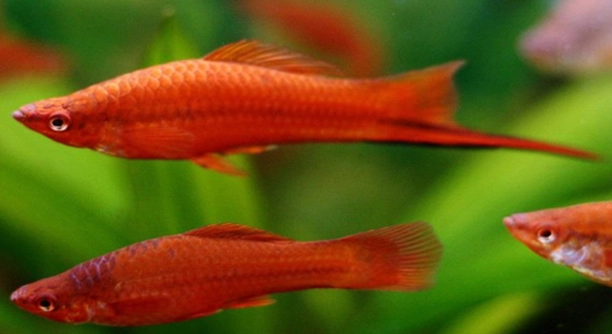
Is your swordtail fish breathing faster than usual, leaving you unsure about what might be wrong in its tank environment? Rapid gill movement can be unsettling, especially when the cause is not immediately obvious to the eye.
Rapid breathing in swordtails is commonly caused by poor water quality, low oxygen levels, stress, illness, high ammonia, temperature fluctuations, or overcrowded tanks. Each of these issues can trigger faster respiration as a physical response.
By understanding what contributes to this behavior, you can take steps to protect your swordtail’s well-being and keep its environment stable.
Poor Water Quality
Poor water conditions are one of the most common reasons swordtails start breathing rapidly. Ammonia and nitrite levels can rise quickly in a poorly maintained tank, irritating the gills and making it harder for fish to absorb oxygen. Unbalanced pH, high nitrates, and unclean gravel or filters all add to the problem. Even if the tank looks clean, hidden waste or uneaten food can decay and release harmful compounds. Consistent testing is the only way to be sure your parameters are safe. Clean water supports healthy gill function and helps your swordtail feel secure and comfortable in its environment.
If you’ve noticed your swordtail gasping at the surface or staying near filter output, it may be reacting to invisible toxins.
Test your tank weekly, and always treat tap water before adding it. Do partial water changes regularly—about 25% each week—using a gravel vacuum to remove debris. Avoid overfeeding and overcrowding.
Low Oxygen Levels
Low oxygen in the tank can also cause swordtails to breathe rapidly, especially in warm or overcrowded conditions. This issue is more common in tanks without enough surface movement or aeration.
When oxygen levels drop, swordtails have to work harder to breathe. Warmer water naturally holds less oxygen, which can be dangerous during heat waves or in poorly ventilated setups. A lack of surface agitation means less gas exchange, so adding an air stone or increasing your filter’s output can help. Live plants can add oxygen, but too many decaying leaves may do more harm than good. It’s also helpful to monitor your fish during the night when oxygen can fall due to plant respiration. You’ll want to maintain proper water movement, avoid overstocking, and ensure your tank stays within a suitable temperature range. Regular maintenance and good equipment make a big difference.
Stress from Environmental Changes
Sudden changes in your swordtail’s environment can lead to stress and cause rapid breathing. Moving to a new tank, loud noises, or changes in lighting can all trigger this reaction. Even minor shifts in water parameters may affect their comfort.
When swordtails feel threatened or overwhelmed, they often respond physically. Rapid breathing, darting around the tank, or hiding more than usual are common signs of stress. To prevent this, maintain a consistent routine and keep the tank in a quiet, low-traffic area. Acclimate fish slowly when moving them and avoid sudden water changes or rearranging decorations too often. Fish benefit from a stable, predictable setup. If multiple stressors occur at once, your swordtail may need extra time to recover its normal breathing rate. Watch for improvement after adjusting the environment, and allow them space to settle back into their usual routine.
Stress also builds up when tank mates become aggressive or territorial. Swordtails are generally peaceful but can become anxious when housed with overly active or fin-nipping species. Monitor how they interact during feeding time and throughout the day. If one fish is consistently chased or forced to hide, you might need to rearrange the tank or separate individuals. A calm tank helps regulate breathing and behavior.
Illness or Infection
Diseases can cause swordtails to breathe heavily. Gill flukes, bacterial infections, and internal parasites are common issues that affect respiration. Visible signs may include inflamed gills, faded color, clamped fins, or erratic swimming behavior.
It’s important to act quickly if you suspect illness. Quarantine any sick fish to protect the rest of your tank. Treatments vary based on the condition but often include salt baths, antibacterial medications, or antiparasitic products. Use these treatments in a separate hospital tank whenever possible. Keep water parameters steady throughout treatment, and reduce feeding until symptoms improve. Regularly monitor the fish’s progress and avoid overcrowding, which can spread disease faster. Maintaining a clean, low-stress environment will help the fish recover and reduce the risk of reinfection. Consistent observation helps catch early warning signs before they become serious.
High Ammonia Levels
Even small spikes in ammonia can make it hard for swordtails to breathe. This toxic compound burns gill tissue, causing pain and leading to rapid, shallow breathing. Ammonia buildup often happens in new tanks or when the filter isn’t working properly.
Check ammonia levels using a liquid test kit, not strips. If levels are above zero, perform an immediate water change and use a conditioner that detoxifies ammonia. Avoid overfeeding, clean filters regularly, and don’t overcrowd the tank. Stable ammonia levels are essential for your swordtail’s health and comfort.
Temperature Fluctuations
Sudden temperature changes can stress your swordtail’s body, affecting its breathing. Cold water slows metabolism, while warm water speeds it up, sometimes forcing fish to breathe faster. Rapid shifts, even by a few degrees, can trigger noticeable discomfort. Use a reliable heater and thermometer to keep things consistent.
Overcrowded Tank
Too many fish in one tank can reduce available oxygen and increase waste. Both problems contribute to fast breathing in swordtails. Extra stress from constant movement and competition makes it even harder for them to stay calm and breathe normally. Aim for balanced stocking to keep your fish healthy.
FAQ
Why is my swordtail breathing fast all of a sudden?
A sudden increase in rapid breathing can point to several potential issues. Poor water quality, low oxygen levels, stress, and illness are the most common causes. Check your water parameters and ensure the tank is not overcrowded. If there’s no improvement, closely observe the fish for signs of disease or injury.
What should I do if my swordtail is gasping at the surface?
If your swordtail is gasping at the surface, it could be trying to get more oxygen. First, check the oxygen levels and water quality. Add an air stone or adjust the filter to improve water circulation. Ensure the tank’s temperature is within a healthy range, and keep the water clean by doing regular water changes.
How can I fix high ammonia levels in my tank?
High ammonia levels are harmful to swordtails and can cause rapid breathing. The quickest fix is to perform a water change to dilute the ammonia and use an ammonia detoxifier. Test the water regularly and check the filter for clogs. To prevent ammonia buildup, avoid overfeeding and clean the substrate and filter media regularly.
Are water temperature fluctuations dangerous for my swordtail?
Yes, sudden temperature changes can stress your swordtail and cause it to breathe rapidly. Swordtails prefer a stable temperature between 72°F and 78°F (22°C–25°C). A reliable aquarium heater and thermometer are essential for maintaining the right conditions. Avoid placing the tank in areas with drafty air or direct sunlight.
Can stress cause rapid breathing in swordtails?
Yes, stress is a major factor that can trigger rapid breathing. Swordtails are sensitive to changes in their environment. Loud noises, changes in tank setup, or even aggressive tank mates can stress them out. Providing a stable environment and ensuring that no aggressive species are in the tank can help reduce stress.
How do I reduce stress for my swordtail?
To reduce stress, keep the tank’s environment stable. Avoid sudden changes, such as moving the fish or drastically altering the water parameters. Ensure that tank mates are compatible with swordtails and that they have enough space to swim freely. Keeping the tank in a quiet, low-traffic area also helps reduce stress.
What is the ideal tank size for swordtails?
Swordtails need ample space to swim and thrive. A 20-gallon tank is the minimum size for a small group of swordtails. However, larger tanks are always better, especially if you plan to have more fish. Overcrowding can stress the fish, leading to faster breathing and other health issues.
Can swordtails get diseases that cause rapid breathing?
Yes, swordtails can get a variety of diseases that lead to rapid breathing. Gill flukes, bacterial infections, and parasites are common culprits. Watch for other symptoms like faded color, clamped fins, or abnormal swimming. If you suspect illness, isolate the affected fish and treat them with appropriate medication.
How often should I clean my swordtail’s tank?
Regular cleaning is crucial to maintaining a healthy tank for your swordtails. Do a partial water change of about 25% every week and clean the substrate and filter every 2–4 weeks. This will help maintain good water quality and reduce the chances of ammonia buildup or harmful toxins.
Do swordtails need a filter?
Yes, swordtails need a filter to keep the water clean and oxygenated. A filter helps to remove waste, uneaten food, and other toxins from the water. It also provides water movement, which is necessary for oxygen exchange. Be sure to choose an appropriate filter based on your tank’s size.
Can overcrowding lead to rapid breathing in swordtails?
Yes, overcrowding can cause rapid breathing. Too many fish in a small space can lead to higher waste production and lower oxygen levels, which can trigger faster breathing in swordtails. Ensure your tank is not overcrowded by calculating the appropriate fish-to-water ratio for your tank size.
How can I tell if my swordtail is healthy?
A healthy swordtail will swim actively, have vibrant coloring, and breathe at a normal rate. Check for signs like clear eyes, smooth fins, and no signs of injury or disease. If your swordtail is hiding, has a faded color, or is breathing fast, these could be signs of stress or illness.
What temperature do swordtails prefer?
Swordtails prefer a temperature range between 72°F and 78°F (22°C–25°C). Maintaining a steady temperature within this range helps them stay healthy and reduces stress. Avoid sudden fluctuations, as temperature extremes can cause rapid breathing and other health issues. A reliable heater can help stabilize the temperature.
What is the best food for swordtails?
Swordtails are omnivores and enjoy a varied diet. Feed them a mix of high-quality flake food, pellets, and occasional live or frozen food like brine shrimp or daphnia. Provide a balanced diet with a focus on protein and vegetable matter to keep them healthy. Avoid overfeeding, as excess food can pollute the water.
Can rapid breathing in swordtails be a sign of old age?
As swordtails age, they may become less active and more susceptible to health issues. However, rapid breathing is more likely a sign of an environmental or health problem, such as poor water quality, disease, or stress. Monitor your swordtail closely and address any potential issues immediately.
What should I do if my swordtail doesn’t improve after water changes?
If your swordtail continues to breathe rapidly despite water changes, it may be dealing with an illness, stress, or an underlying environmental issue. Check for other signs of disease and consider isolating the affected fish in a hospital tank. Seek advice from an aquarium professional or a vet if the situation doesn’t improve.
Final Thoughts
Understanding the causes of rapid breathing in swordtails is essential for maintaining their health. It can be alarming to see your fish struggling to breathe, but identifying the underlying issues early can make a significant difference. Common causes like poor water quality, overcrowding, temperature fluctuations, or stress are usually manageable with proper care. Regular water testing, ensuring a stable environment, and monitoring tank conditions are key to preventing rapid breathing and keeping your swordtails comfortable.
It’s important to remember that swordtails are sensitive creatures, and their well-being is closely tied to the quality of their environment. Maintaining a proper tank setup, avoiding overfeeding, and monitoring the fish’s behavior will help you identify problems early. If you notice persistent rapid breathing, it’s crucial to act quickly, whether that means adjusting water parameters, improving oxygen levels, or addressing any potential health issues. Always keep an eye out for signs of stress or illness in your swordtails to ensure they are thriving.
Ultimately, maintaining a healthy swordtail tank is a combination of observation, maintenance, and consistency. Regular water changes, cleaning, and monitoring fish behavior should be part of your routine. If you address any potential causes of rapid breathing promptly, your swordtails can live happy, healthy lives. Being proactive and attentive to the needs of your fish will help you avoid most issues before they escalate. By creating a stable and clean environment, you provide your swordtails with the best chance to thrive.

Hello,
If you enjoy the content that we create, please consider saying a "Thank You!" by leaving a tip.
Every little bit helps us continue crafting quality advice that supports the health, happiness, and well-being of pets around the world, for pets of all shapes, sizes, and species.
We really appreciate the kindness and support that you show us!