
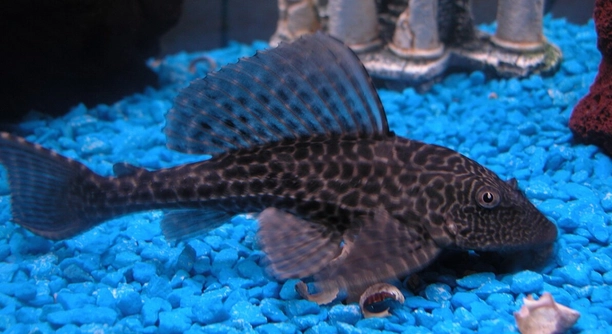
If you’re a fish owner, you may have noticed your Plecostomus breathing rapidly at times. Understanding the causes behind this behavior is important for their health and well-being. Let’s take a closer look at what might be going on.
Rapid breathing in Plecostomus can result from several factors, including poor water quality, inadequate oxygen levels, stress, overcrowding, diseases, high water temperature, or insufficient filtration. Each of these can cause increased gill activity as the fish tries to take in more oxygen.
Learning about these causes can help prevent further health issues for your Plecostomus. Understanding how each factor contributes will allow you to make necessary adjustments to improve your fish’s environment.
Poor Water Quality
Water quality plays a vital role in the overall health of your Plecostomus. If the water is dirty or contains harmful chemicals, it can cause stress and breathing difficulties. Fish breathe more rapidly in these conditions because they are struggling to get enough oxygen. Regular water changes and maintaining proper filtration are key to keeping the water clean.
High ammonia or nitrite levels are particularly harmful to fish. These substances build up when there’s a lack of proper filtration or regular water changes. They can irritate your fish’s gills, causing them to work harder to take in oxygen. Always monitor the water’s chemical balance with testing kits.
Maintaining a stable water environment is essential for your Plecostomus. If you notice your fish breathing rapidly and the water quality is poor, take immediate action. Remove any waste and do a water change to lower the toxins. Keeping the water clean will help prevent stress and ensure your fish remains healthy.
Inadequate Oxygen Levels
If your aquarium has insufficient oxygen, your Plecostomus will start to breathe faster to compensate. This could happen if the water isn’t circulating properly or if there are too many fish in a small tank.
Adding an air pump or improving the filtration system can help increase oxygen levels. This is especially important in smaller tanks or tanks with poor water movement. Ensuring there is enough oxygen helps your fish feel comfortable and prevents them from struggling for air.
A well-oxygenated environment is key to your Plecostomus’ well-being. Without enough oxygen, your fish will be stressed and at risk for further health issues.
Stress
Stress can cause your Plecostomus to breathe rapidly. This could be due to a variety of factors, such as sudden changes in the tank environment, loud noises, or even other aggressive fish.
To reduce stress, make sure the tank is in a quiet, calm area. Avoid any sudden movements near the tank and consider adding hiding spots to provide a safe space for your Plecostomus. If you’ve added new fish, ensure they are compatible with each other to prevent aggression.
When stress continues over time, it can weaken your fish’s immune system, making them more susceptible to diseases. Monitoring the tank environment and reducing disturbances can help keep your Plecostomus calm and healthy.
Overcrowding
Overcrowding your aquarium can lead to rapid breathing. When there are too many fish in a small space, the oxygen levels drop, causing fish to work harder to breathe.
To prevent overcrowding, ensure that your tank has enough space for all the fish. As a general rule, give each fish about one inch of space per inch of their body size. A larger tank with fewer fish allows for better water circulation and oxygen levels. Keep the number of fish in check to avoid this issue.
If overcrowding becomes a regular problem, it could stress your Plecostomus and result in faster breathing. Reducing the number of fish or upgrading to a bigger tank can alleviate this.
High Water Temperature
High water temperatures can make your Plecostomus breathe faster. As the water gets warmer, it holds less oxygen, making it harder for your fish to get the air they need.
If the temperature exceeds the ideal range, around 74°F to 80°F, it can stress the fish and lead to rapid breathing. You can monitor the water temperature with an aquarium thermometer to avoid this.
Adding a fan or adjusting the heater can help maintain a stable water temperature. Keeping the water cool enough will allow your Plecostomus to breathe normally without additional stress.
Infections and Diseases
Infections and diseases can also cause your Plecostomus to breathe faster. Illnesses that affect the gills, like gill flukes or fungal infections, can cause breathing difficulties.
If you notice any visible signs of illness, such as white patches, lesions, or excessive mucus on the gills, it’s essential to treat the infection promptly. Consult a vet or use aquarium treatments as needed. Keeping your tank clean and the water quality high can help prevent infections from spreading.
Treating infections early can prevent the condition from worsening and reduce the stress on your Plecostomus.
FAQ
What is the ideal water temperature for a Plecostomus?
The ideal water temperature for a Plecostomus ranges from 74°F to 80°F. Water that is too warm can cause oxygen levels to decrease, leading to stress and rapid breathing. You can maintain a stable temperature by using an aquarium heater and checking the temperature regularly with a thermometer.
How often should I change the water in my tank?
Water changes should be done regularly to keep the environment healthy for your Plecostomus. A 25-30% water change every 1-2 weeks is recommended. If you notice the water quality deteriorating quickly, more frequent changes may be necessary. Consistent water changes reduce the buildup of harmful chemicals like ammonia or nitrites.
What should I do if my Plecostomus is breathing rapidly?
If your Plecostomus is breathing rapidly, first check the water quality. Test for ammonia, nitrites, and pH levels to ensure they are within safe ranges. Clean the tank and change the water if needed. If the behavior persists, consider other factors like water temperature, overcrowding, or stress from other fish.
Can overcrowding cause rapid breathing in my Plecostomus?
Yes, overcrowding can lead to rapid breathing. When there are too many fish in a small tank, the oxygen levels drop, forcing the fish to breathe harder. Ensure there’s enough space for each fish to move freely. A general guideline is one inch of fish per gallon of water, but larger tanks are always better.
Can a Plecostomus get stressed from other fish?
Yes, certain aggressive fish or tank mates that constantly harass the Plecostomus can cause stress. When a Plecostomus is stressed, it may start breathing faster. To minimize stress, choose compatible tank mates and avoid sudden changes in the tank environment. Adding hiding places can also help your Plecostomus feel more secure.
What are some signs that my Plecostomus might be sick?
Apart from rapid breathing, signs of illness in a Plecostomus include lethargy, loss of appetite, white spots or patches on the body, abnormal swimming behavior, or visible injuries. If any of these signs appear, it’s important to assess the water quality and consult a veterinarian or use appropriate aquarium treatments.
How do I know if my Plecostomus is getting enough oxygen?
If your Plecostomus is breathing rapidly and the water quality is good, it could indicate low oxygen levels. You can add an air pump or improve tank filtration to increase oxygenation. Also, make sure the water is circulating well and that your tank is not overcrowded, as these factors can contribute to low oxygen levels.
Can I add an air stone to help with oxygen levels?
Yes, adding an air stone is a great way to improve oxygen levels in your tank. It helps increase surface agitation, which allows for better gas exchange. This can be particularly helpful in smaller tanks where oxygen depletion is more likely. Make sure the air stone is positioned where it can efficiently increase oxygen without disturbing your Plecostomus too much.
Is it safe to use aquarium salt for my Plecostomus?
Aquarium salt can be used in small amounts to help with certain health issues, like external parasites. However, Plecostomus are sensitive to salt, so it’s important to use it cautiously. Always follow the manufacturer’s recommendations and consult a veterinarian if you’re unsure about adding salt to your tank.
Can rapid breathing be caused by poor water filtration?
Yes, inadequate filtration can cause rapid breathing in your Plecostomus. Poor filtration leads to the accumulation of waste and toxins, which can stress the fish and lower oxygen levels. Ensure your filtration system is appropriate for the size of your tank and functioning properly. Regular maintenance, like cleaning the filter, will also help maintain water quality.
What is the best way to reduce stress in my Plecostomus?
To reduce stress, keep the tank environment stable and peaceful. Avoid loud noises, sudden changes in water conditions, or introducing new fish too quickly. Provide hiding spots and plants to give your Plecostomus a sense of security. Also, maintain a good water quality routine, as poor water conditions can increase stress.
Are Plecostomus prone to any specific diseases?
Yes, Plecostomus can be affected by certain diseases like gill flukes, ich, or fungal infections. Poor water quality and stress can make them more susceptible. Regularly monitor their health, and if you notice any abnormal behavior or physical signs, take action immediately. Treatment options are available at pet stores or through a veterinarian.
How can I tell if my Plecostomus is in pain?
Signs of pain in a Plecostomus include rapid breathing, unusual swimming patterns, rubbing against objects, and loss of appetite. If you notice these symptoms, it’s important to assess the tank’s environment and check for signs of disease. If the problem persists, seek advice from a vet or aquarium professional.
What should I do if the water quality in my tank is bad?
If the water quality is poor, immediately perform a water change of at least 25-30%. Test for ammonia, nitrites, and pH, and adjust the water parameters as needed. Clean the filter to ensure it’s functioning properly. Continue monitoring the water quality regularly to keep it within safe levels for your Plecostomus.
Can rapid breathing be a sign of too much light in the tank?
Yes, excessive light can cause stress in your Plecostomus, especially if it’s too bright or on for too long. Fish need a natural day-night cycle, and too much light can disrupt this. Ensure the tank has a lighting cycle of about 10-12 hours a day and that it’s not too harsh for the fish.
How do I know if my Plecostomus is getting enough food?
Plecostomus are scavengers and will graze on algae, but they also need supplemental food like sinking pellets or vegetables. If your Plecostomus isn’t eating enough, it may become weak and stressed, leading to rapid breathing. Provide a balanced diet and remove uneaten food to maintain water quality.
How do I handle a sick Plecostomus?
If your Plecostomus shows signs of illness, first isolate it in a quarantine tank if possible. Adjust the water quality and check for specific symptoms. Use aquarium treatments according to the type of illness, but always follow dosage instructions. A vet’s advice may also be necessary for proper treatment.
Final Thoughts
Understanding the causes of rapid breathing in your Plecostomus is essential to keeping it healthy. The key factors, such as water quality, temperature, oxygen levels, and stress, all play a significant role in how your fish behaves. It is important to maintain a balanced tank environment to prevent unnecessary strain on your fish. Monitoring the water regularly and making adjustments as needed can help ensure that your Plecostomus thrives.
If rapid breathing continues despite addressing common issues, it’s crucial to look for other signs of stress or illness. Conditions like infections or waterborne diseases may require immediate attention to prevent further complications. In such cases, it’s best to consult with an aquarium professional or a veterinarian to determine the proper treatment. Early detection and quick action can often prevent serious health problems from developing.
In the end, maintaining a stable and healthy environment for your Plecostomus requires consistent care and observation. Regular water changes, proper filtration, and temperature control are all steps in the right direction. If you notice any unusual behavior, such as rapid breathing, take the time to assess the situation and make any necessary changes. With the right attention, your Plecostomus can live a long and healthy life.

Hello,
If you enjoy the content that we create, please consider saying a "Thank You!" by leaving a tip.
Every little bit helps us continue crafting quality advice that supports the health, happiness, and well-being of pets around the world, for pets of all shapes, sizes, and species.
We really appreciate the kindness and support that you show us!