
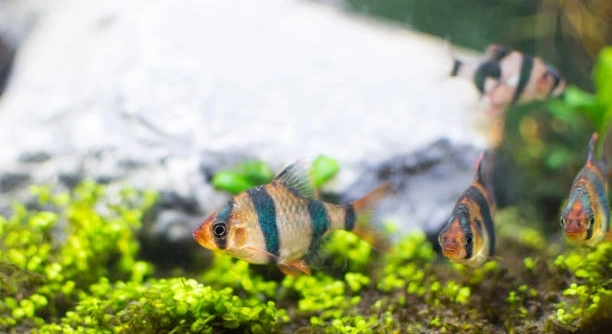
Rapid breathing in barbs can be concerning for many fish owners. It often signals that something in their environment or health is not quite right. Understanding the causes can help keep these fish healthy and comfortable.
Rapid breathing in barbs is commonly caused by factors such as poor water quality, low oxygen levels, infections, stress, temperature fluctuations, inadequate diet, or the presence of toxins. Each factor can affect the fish’s ability to breathe normally and maintain overall well-being.
Identifying the cause early is important to prevent further complications and ensure your barbs thrive in their habitat. This article explains the main reasons behind rapid breathing in barbs.
Poor Water Quality and Its Impact on Breathing
Poor water quality is a major factor that can cause rapid breathing in barbs. When ammonia, nitrite, or nitrate levels rise, it creates a toxic environment for the fish. These substances come from fish waste, uneaten food, and decaying plants. If not controlled, they can damage the fish’s gills and reduce oxygen absorption. Barbs rely heavily on clean water to breathe efficiently. High levels of pollutants force them to work harder to get enough oxygen. Regular water testing and maintenance, such as partial water changes, are essential to keep these levels low. Ensuring the tank is properly cycled and not overcrowded helps maintain a healthy environment. Barbs in tanks with poor water conditions often show rapid gill movement as a response to stress and lack of oxygen. Keeping the water clean is the first step to preventing breathing problems in barbs.
Poor water quality often causes stress and weakens the immune system, making barbs more vulnerable to other health issues.
Maintaining good water quality requires consistent effort. Use a reliable test kit to check ammonia, nitrite, and nitrate levels weekly. Perform water changes of about 20-30% weekly, or more often if the tank is heavily stocked. Avoid overfeeding to reduce waste buildup. Adding live plants can help absorb excess nutrients and improve oxygen levels. Also, ensure the filter is working correctly and clean it regularly without disturbing beneficial bacteria too much. These steps will create a stable environment where barbs can breathe easily and stay healthy. Watching your fish’s behavior can alert you to changes in water quality before it becomes harmful.
Low Oxygen Levels in the Aquarium
Low oxygen levels make barbs breathe faster to meet their oxygen needs.
Low oxygen is usually caused by inadequate aeration or high temperatures. Warmer water holds less oxygen, and poor circulation prevents oxygen from reaching all parts of the tank. Barbs respond by increasing their gill movement. Adding air stones, improving filtration flow, or lowering water temperature can boost oxygen levels. Regularly checking temperature and ensuring good water movement helps keep oxygen adequate. Proper tank care ensures barbs don’t suffer from oxygen deprivation, which can quickly become life-threatening if ignored.
Infections Affecting Barbs’ Breathing
Infections from bacteria, parasites, or fungi often cause rapid breathing in barbs. These pathogens irritate the gills, making it hard for fish to breathe.
Bacterial infections can cause gill inflammation, leading to swelling and reduced oxygen exchange. Parasites like gill flukes attach to the gill tissue, causing damage and distress. Fungal infections may develop if the gills are already weakened, worsening breathing difficulties. Signs include lethargy, loss of appetite, and gasping at the water surface. Treatment typically involves medicated water or specific antibiotics, depending on the infection type. Early detection is crucial for effective recovery.
Good tank hygiene and quarantine of new fish help prevent infections. Maintaining stable water conditions reduces stress and strengthens the barbs’ immune system, making them less susceptible to disease. Regular observation can catch infection symptoms early before they become severe.
Stress and Rapid Breathing in Barbs
Stress triggers rapid breathing as barbs react to unfavorable conditions. It can result from overcrowding, sudden changes, or aggressive tank mates.
When barbs experience stress, their bodies produce hormones that increase their breathing rate. Overcrowded tanks limit swimming space, causing discomfort and competition for oxygen. Sudden changes in water parameters like pH or temperature shock the fish, disrupting their normal functions. Aggressive behavior from other fish forces barbs to hide or flee, raising their stress levels. Consistent care and gentle handling reduce these stressors. Providing enough space and peaceful companions helps barbs stay calm and breathe normally. Monitoring tank conditions closely prevents many stress-related issues that affect breathing and overall health.
Temperature Fluctuations and Breathing Issues
Rapid breathing can occur when water temperature changes suddenly. Barbs are sensitive to temperature swings, which affect oxygen availability.
Warmer water holds less oxygen, so sudden increases can cause barbs to breathe faster. Sudden drops in temperature stress the fish, affecting their metabolism and breathing. Keeping a stable temperature within their preferred range prevents these issues.
Inadequate Diet and Its Effects
Poor nutrition weakens barbs’ immune systems and affects their ability to breathe properly. A balanced diet is essential for healthy gill function and energy.
Feeding high-quality flakes, pellets, and occasional live foods ensures barbs receive necessary nutrients. Avoid overfeeding, which pollutes water and stresses fish. Nutritional deficiencies can lead to poor respiration and reduced disease resistance.
Presence of Toxins in the Tank
Toxins such as chlorine, heavy metals, and chemical residues in water can irritate barbs’ gills. This irritation causes rapid breathing as the fish struggle to extract oxygen.
Regular water testing and using water conditioners remove harmful substances. Keeping the tank free of contaminants is vital for maintaining healthy breathing in barbs.
FAQ
What should I do if my barbs are breathing rapidly?
First, check the water quality. Test for ammonia, nitrite, nitrate, and oxygen levels. Perform a partial water change if any harmful chemicals are high. Look for signs of disease or parasites. Adjust the tank temperature if it’s outside the ideal range. Make sure the tank isn’t overcrowded and that the fish have enough space. Improving these conditions usually helps slow down rapid breathing.
Can rapid breathing be a sign of serious illness?
Yes, rapid breathing can indicate infections or parasites affecting the gills. It often comes with other symptoms like lethargy, loss of appetite, or abnormal swimming. Early treatment is important. If you suspect disease, isolate the affected fish and consider medication recommended for your specific issue.
How often should I test my tank water to prevent breathing problems?
Testing your tank water weekly is a good practice. It helps catch issues before they become serious. Regular tests should include ammonia, nitrite, nitrate, pH, and temperature. Consistent monitoring keeps the environment stable and reduces stress on your barbs.
Is it normal for barbs to breathe rapidly after feeding?
Barbs may breathe faster briefly after eating, especially if they overeat or food pollutes the water. This is usually temporary. To avoid this, feed small portions that the fish can consume quickly. Remove any uneaten food to prevent water quality decline.
Can tank plants help with rapid breathing in barbs?
Yes, live plants improve oxygen levels by producing oxygen during photosynthesis. They also absorb excess nutrients, helping maintain water quality. Adding plants can create a healthier environment and reduce breathing difficulties caused by low oxygen.
How can I reduce stress in my barb tank?
Provide enough space, avoid overcrowding, and choose compatible tank mates to reduce aggression. Keep water parameters stable and avoid sudden changes. Providing hiding spots and a calm environment helps barbs feel secure and reduces stress-related rapid breathing.
What is the ideal temperature range for barbs?
Barbs usually thrive between 72°F and 78°F (22°C to 26°C). Staying within this range ensures proper oxygen levels and metabolism. Use a reliable aquarium heater and thermometer to maintain stable temperatures and avoid rapid breathing caused by temperature swings.
Can over-filtering the tank cause breathing problems?
Over-filtering is rare but possible if the water flow is too strong. Strong currents can stress barbs and cause rapid breathing as they struggle to swim. Adjust filter output to a gentle flow suitable for your fish and tank size.
Should I quarantine new barbs to prevent infections?
Quarantining new fish is highly recommended. It prevents introducing diseases or parasites into your main tank. Keep new barbs separate for at least two weeks and observe for signs of illness before adding them to the community tank.
Are there any natural remedies to improve barbs’ breathing?
Maintaining good water quality, stable temperature, and adding live plants are natural ways to improve breathing. Avoid using chemicals or medications unless necessary. A healthy environment supports the fish’s natural ability to breathe well and resist illness.
Rapid breathing in barbs is a clear sign that something in their environment or health needs attention. It is important to understand the various causes, such as poor water quality, low oxygen levels, infections, stress, temperature changes, diet issues, and toxins. Each of these factors can affect how well barbs breathe and how healthy they remain. Keeping a close eye on their behavior and tank conditions helps prevent problems before they become serious. Addressing the root cause early makes a big difference in the fish’s overall well-being.
Maintaining a clean and stable aquarium environment is essential for healthy barbs. Regular water testing, partial water changes, and proper filtration are key to reducing harmful substances like ammonia and nitrites. Keeping oxygen levels balanced through aeration and avoiding temperature swings supports normal breathing. Feeding a balanced diet and avoiding overcrowding also reduce stress and improve fish health. Preventing infections by quarantining new fish and observing any signs of illness helps barbs stay strong. These simple steps create a safe and comfortable habitat that supports their natural breathing and activity.
Watching your barbs closely is one of the best ways to catch early signs of trouble. Rapid breathing should not be ignored, as it can lead to serious health issues if left untreated. Acting quickly by checking water parameters, improving tank conditions, and treating infections can help your barbs recover faster. Keeping their tank clean and stable is a continuous effort but well worth it for the fish’s happiness and longevity. Taking good care of your barbs means they will be more active, healthy, and enjoy a better quality of life.

Hello,
If you enjoy the content that we create, please consider saying a "Thank You!" by leaving a tip.
Every little bit helps us continue crafting quality advice that supports the health, happiness, and well-being of pets around the world, for pets of all shapes, sizes, and species.
We really appreciate the kindness and support that you show us!