
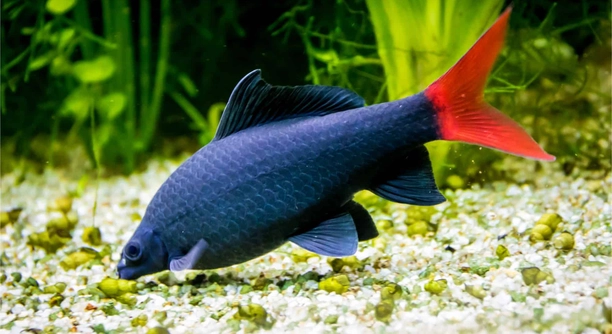
Rainbow sharks are popular aquarium fish known for their striking colors. Sometimes, these fish suddenly change color, which can surprise owners. Understanding the reasons behind this can help keep them healthy and vibrant.
Rainbow sharks change color due to factors such as stress, water quality issues, illness, improper diet, aging, tank mates, and lighting conditions. These elements influence their pigment cells, causing noticeable shifts in coloration over time.
Knowing what triggers these changes can help you maintain a stable environment for your rainbow shark. This article explains the main causes to keep your fish looking its best.
Stress and Its Effect on Color Change
Stress is a major factor that can cause a rainbow shark to change color suddenly. Common stressors include overcrowded tanks, aggressive tank mates, and frequent handling. When a fish feels threatened or uncomfortable, its body reacts by dulling its colors. Poor water quality or sudden changes in temperature also add to the stress level. Stress triggers hormonal responses that reduce pigmentation, making the fish appear faded or pale. In some cases, the color may shift to darker shades as a protective response. Recognizing signs of stress early is essential to prevent long-term health problems. Providing a calm and stable environment helps rainbow sharks maintain their vibrant hues.
Stress can cause rainbow sharks to lose their bright colors and appear dull or pale. It’s important to identify and reduce stress factors in their environment.
Keeping your rainbow shark’s tank peaceful and well-maintained is key to preventing color changes caused by stress. This means avoiding overcrowding, maintaining stable water conditions, and minimizing handling. Monitoring the fish’s behavior and appearance can give clues about their stress level. If you notice color fading, try rearranging the tank decorations or isolating aggressive fish. Ensuring the water temperature stays within a consistent range also supports a calm environment. Small changes in their habitat can make a big difference in how your rainbow shark looks and feels.
Water Quality and Its Impact
Poor water quality often leads to sudden color changes in rainbow sharks. High levels of ammonia, nitrites, or nitrates stress the fish and affect their health. Dirty water can cause irritation and infections, which influence pigmentation. Regular water testing and maintenance prevent these issues. Keeping the tank clean supports the fish’s natural coloration and overall wellbeing.
Water quality problems cause rainbow sharks to lose their vibrant colors quickly.
Consistently clean water is vital for a rainbow shark’s bright appearance. Performing regular water changes and using a good filtration system helps maintain proper conditions. Avoid overfeeding, as leftover food can pollute the water. Test the water regularly for harmful chemicals and balance pH levels. If water quality declines, the fish’s immune system weakens, leading to illness and color fading. A healthy tank environment helps rainbow sharks stay colorful and active. Paying attention to water quality prevents many common health and color issues in aquarium fish.
Illness and Disease
Illness often causes sudden color changes in rainbow sharks. Infections or parasites can make their colors fade or darken quickly.
When a rainbow shark is sick, its immune system struggles to keep the natural pigmentation intact. Bacterial infections, fungal growth, or parasites may cause discoloration. Symptoms like lethargy, loss of appetite, or abnormal swimming often accompany color changes. Treating illness promptly with proper medication can help restore the fish’s color. Quarantining sick fish prevents spreading disease to others in the tank.
Maintaining a clean tank and observing your rainbow shark regularly helps catch health problems early. Early treatment can improve recovery chances and bring back vibrant colors. Ignoring signs of illness risks permanent damage to the fish’s appearance and wellbeing.
Diet and Nutrition
A poor diet can lead to dull or faded colors in rainbow sharks. Lack of essential nutrients affects their pigment production and overall health.
Rainbow sharks need a balanced diet rich in protein, vitamins, and minerals to maintain their bright colors. Feeding them high-quality flakes, pellets, and occasional live or frozen foods supports pigmentation. Deficiencies in carotenoids or other nutrients can cause the colors to weaken or change. Overfeeding or feeding inappropriate foods also harms their health and appearance. Providing variety and proper portions ensures the fish get what they need. Monitoring their diet regularly helps avoid nutritional problems that affect color. A well-fed rainbow shark shows stronger, more vibrant colors naturally.
Aging
Rainbow sharks naturally change color as they grow older. This process is gradual and normal.
Older fish may lose some brightness or develop a more muted tone. This is a natural sign of aging and does not usually indicate illness or poor care.
Tank Mates and Social Stress
Aggressive or overly active tank mates can stress rainbow sharks, causing them to change color. Territorial behavior and constant chasing make the fish feel threatened. This stress reduces pigmentation and may lead to dull or patchy coloration. Selecting compatible species and providing plenty of hiding spaces can reduce social stress and help maintain vibrant colors.
Lighting Conditions
Lighting affects how a rainbow shark’s colors appear. Too much or too little light can cause fading or dullness. Proper aquarium lighting simulates natural conditions, enhancing color intensity and supporting the fish’s health.
Genetics
Some rainbow sharks have genetic traits that influence their color changes. Variations in pigment cells can cause differences in brightness or pattern over time. This is natural and expected for certain strains.
What causes a rainbow shark to change color suddenly?
Sudden color changes in rainbow sharks often result from stress, illness, poor water quality, or changes in diet. Environmental factors like lighting and tank mates can also influence their pigmentation. These factors affect the fish’s hormone levels and pigment cells, leading to visible shifts in color.
Is it normal for a rainbow shark to lose its color?
Some fading or dulling of color is normal, especially as the fish ages or adjusts to a new environment. However, rapid or extreme color loss often indicates stress, disease, or poor water conditions. It’s important to monitor the fish closely and check the tank’s health.
How can I reduce stress for my rainbow shark?
Maintaining stable water conditions, avoiding overcrowding, and selecting peaceful tank mates help reduce stress. Providing hiding spots and minimizing handling also create a calm environment. Stress reduction supports the fish’s natural colors and overall wellbeing.
Can water quality affect a rainbow shark’s color?
Yes, poor water quality is one of the main reasons for color changes. High ammonia, nitrites, or nitrates levels stress the fish and weaken its immune system. Regular water testing, frequent changes, and good filtration keep the water safe and promote healthy colors.
What should I feed my rainbow shark to keep its colors bright?
A varied diet with high-quality flakes, pellets, and occasional live or frozen foods is best. Foods rich in carotenoids and vitamins help maintain pigmentation. Avoid overfeeding and remove uneaten food to prevent water pollution, which can harm the fish and dull its color.
Can illness cause color changes in rainbow sharks?
Yes, illnesses like bacterial or fungal infections and parasites can quickly affect a rainbow shark’s color. Sick fish often lose brightness and may develop dark patches. Early detection and treatment are crucial for restoring health and color.
Do lighting conditions influence a rainbow shark’s color?
Proper lighting enhances color intensity and supports natural behaviors. Too much light can stress the fish, while too little causes fading. Using aquarium lights designed for tropical fish helps maintain vibrant colors and simulates natural daylight.
Will aging cause my rainbow shark’s color to change?
Yes, color changes due to aging are natural. Older fish often lose some brightness or develop a more muted appearance. This process happens gradually and doesn’t usually signal health problems.
Can aggressive tank mates affect my rainbow shark’s color?
Aggressive or territorial fish can stress a rainbow shark, causing it to lose color. Constant chasing or bullying reduces pigmentation and damages the fish’s wellbeing. Choosing compatible tank mates and providing hiding spaces help reduce stress.
Is genetic variation responsible for color changes?
Some color variations are genetic and natural for certain rainbow shark strains. These differences affect brightness and pattern over time and do not usually indicate any problems.
How quickly can a rainbow shark’s color change?
Color changes can happen within hours or days, depending on the cause. Stress or water quality issues may cause rapid changes, while aging or genetics result in slower, gradual shifts. Monitoring the fish regularly helps catch sudden changes early.
What steps can I take if my rainbow shark’s color fades?
First, check water quality and adjust as needed. Reduce stress by improving tank conditions and reviewing tank mates. Assess the diet for proper nutrition and consult a vet if illness is suspected. Prompt action improves the chances of restoring vibrant color.
Are color changes reversible in rainbow sharks?
Many color changes caused by environmental factors or mild stress can be reversed with proper care. However, changes due to genetics or aging are permanent. Illness-related changes may improve if treated early.
Does water temperature affect rainbow shark coloration?
Extreme or fluctuating temperatures stress the fish and can dull colors. Maintaining a stable temperature between 74°F and 79°F supports healthy pigmentation and overall wellbeing.
Can poor tank maintenance cause color changes?
Neglecting regular cleaning and water changes can lead to toxic buildup and stress. This negatively impacts color and health. Consistent maintenance is essential to keep rainbow sharks vibrant and healthy.
Rainbow sharks are beautiful fish known for their striking colors. Their sudden color changes can be concerning but often happen due to common reasons like stress, illness, or changes in their environment. Understanding these causes helps in providing the right care. When a rainbow shark loses its bright color, it is usually trying to communicate that something in its tank needs attention. By observing changes carefully, owners can respond in ways that support the fish’s health and color.
Maintaining a stable and clean environment is key to keeping rainbow sharks vibrant. Good water quality, balanced nutrition, proper lighting, and peaceful tank mates all play important roles. Stress from overcrowding or aggressive fish should be minimized by providing hiding places and enough space. Keeping up with regular tank maintenance like water testing and changes reduces harmful substances that can affect the fish’s color. Small adjustments in these areas often restore a rainbow shark’s natural color quickly. Sometimes, aging or genetics will cause color shifts that are normal and not harmful.
Color changes can sometimes signal illness, so it is important to monitor a rainbow shark’s behavior and appearance closely. If the fish becomes lethargic, stops eating, or shows other signs of sickness, a veterinarian or experienced fish keeper should be consulted. Early treatment improves recovery and helps bring back the fish’s bright colors. Overall, paying attention to these factors creates a healthy, comfortable environment for rainbow sharks. This supports their wellbeing and keeps their colors as vivid as possible over time.

Hello,
If you enjoy the content that we create, please consider saying a "Thank You!" by leaving a tip.
Every little bit helps us continue crafting quality advice that supports the health, happiness, and well-being of pets around the world, for pets of all shapes, sizes, and species.
We really appreciate the kindness and support that you show us!