
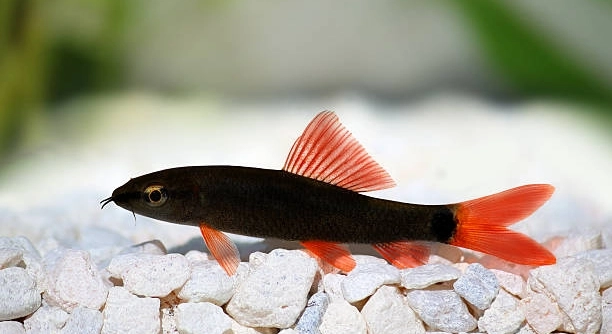
Are your rainbow sharks acting nervous, hiding more often, or becoming unusually aggressive? These behaviors might be signs of stress in their environment. Identifying the cause early can help prevent long-term harm and discomfort.
Rainbow shark stress is often caused by poor tank conditions, aggressive tankmates, limited space, or sudden changes in water quality. Addressing these specific stressors can significantly improve your shark’s health, behavior, and overall well-being.
Understanding these common causes can help you create a peaceful tank and support your rainbow shark’s long-term health and comfort.
Poor Water Quality
Rainbow sharks are sensitive to their environment, and poor water quality is one of the most common reasons they become stressed. High ammonia or nitrite levels, low oxygen, or drastic pH changes can cause discomfort and affect their behavior. Even small fluctuations in water conditions may lead to hiding, aggression, or reduced appetite. Regular tank maintenance is essential—weekly water changes, checking filters, and testing water parameters should be routine. A well-maintained tank with clean, stable water gives your rainbow shark a better chance at staying healthy and calm. Avoid overfeeding and always remove uneaten food promptly, as decaying food affects water quality quickly. Use a test kit to monitor ammonia, nitrites, nitrates, and pH, and adjust as needed. Keeping these levels in check helps reduce physical stress and prevent illness. A consistent care routine makes a noticeable difference in your fish’s mood and energy levels.
Test your tank water weekly to catch imbalances early. Even clear water can hide serious issues that impact your shark’s health and behavior.
Stable water conditions mean everything. Stress builds when the environment shifts too often or remains unclean. Once your water parameters are stable, you’ll notice your rainbow shark becomes more relaxed and active. Consistency really does help reduce stress.
Tank Size Is Too Small
A small tank can make your rainbow shark feel trapped and aggressive. These fish need space to swim and establish territory.
Rainbow sharks need at least a 30-gallon tank to feel secure. In tanks smaller than this, they often become territorial and lash out at other fish. These fish are bottom dwellers that like room to explore, and cramped tanks increase tension. If other fish get too close, your shark may feel threatened and start chasing or nipping. Larger tanks allow better distribution of hiding spots and help your fish feel more in control of their space. Make sure the tank has open swimming areas as well as places to hide. Adding plants, caves, and driftwood helps separate territories and reduces visible tension between tankmates. When your rainbow shark feels like it has its own space, it will behave more calmly and confidently. Upgrading your tank can have a big impact on long-term stress levels.
Aggressive Tankmates
Rainbow sharks do not do well with aggressive or overly active fish. Constant chasing or nipping from other tankmates can stress them out and lead to hiding, poor appetite, or defensive behavior.
Choose tankmates carefully. Peaceful fish that occupy other areas of the tank—like mid-level or top swimmers—work better with rainbow sharks. Avoid housing them with other bottom dwellers, especially similar-looking fish. Fish like red-tailed sharks or bala sharks often trigger territorial behavior. If your rainbow shark is constantly defending its space, it may become overly aggressive or withdrawn. Rearranging decorations can also help reduce established territories and minimize conflict. Observe fish interactions daily to catch signs of stress early. If needed, consider rehoming aggressive fish or moving your rainbow shark to a more suitable tank. Creating a calm tank with balanced personalities helps reduce long-term stress.
Aggressive tankmates often turn a calm tank into a constant battleground. This stress builds over time and weakens your fish’s immune system. Look for signs like torn fins, sudden hiding, or rapid breathing. These signs mean something isn’t right. The sooner you act, the easier it is to restore peace and keep your shark healthy.
Lack of Hiding Spaces
Rainbow sharks need hiding spots to feel secure. Without proper cover, they become anxious and more prone to stress-related behavior like darting or hiding behind the filter.
Decorations, rocks, and plants aren’t just for looks—they help rainbow sharks establish safe zones. When your shark has a few hiding places to retreat to, it feels less exposed and more relaxed. Try adding caves, PVC pipes, or driftwood along the bottom of the tank. Spread them out so your shark has options. Avoid overcrowding, but don’t leave the tank too bare either. A balanced setup gives your rainbow shark a better sense of control. If your fish seems to stay in one spot all day, especially behind equipment, it might be asking for a proper hiding spot. Changing the layout slightly can often help. These areas provide privacy and prevent stress from visual overstimulation, tank lights, or other fish.
Sudden Changes in Environment
Rainbow sharks react strongly to sudden changes in water temperature, pH, or lighting. Fast shifts can trigger stress and cause unusual behavior like hiding or swimming erratically. Always adjust tank conditions slowly and carefully to avoid overwhelming them.
Moving decorations or rearranging their territory too often can also be stressful. These fish thrive in a stable environment with familiar surroundings. If you need to make changes, do it gradually and give your shark time to adjust. Sudden disruptions make them feel unsafe and trigger defensive behavior.
Overcrowding in the Tank
Overcrowding leads to competition for space, food, and territory, which can make rainbow sharks anxious and aggressive. Tanks filled with too many fish leave little room for natural behavior. A crowded environment also worsens water quality faster, which adds more stress. Stick to recommended stocking levels for your tank size.
Excessive Noise or Vibrations
Loud noises near the tank or constant vibrations from nearby appliances can cause stress. Rainbow sharks are sensitive to sound and may start hiding or acting jumpy when disturbed. Try placing the tank in a calm, quiet area away from foot traffic or speakers.
FAQ
How can I tell if my rainbow shark is stressed?
Common signs of stress include hiding more than usual, swimming erratically, becoming aggressive, losing color, or refusing to eat. A stressed rainbow shark may also stay near the filter, breathe rapidly, or lash out at tankmates. Keep an eye on these behaviors, especially if they begin suddenly. Stress can show up in small changes at first, so watching your fish closely helps you catch problems early. If you notice anything unusual, start by testing the water and reviewing recent changes in the tank. Fixing the issue quickly can prevent things from getting worse.
Can rainbow sharks live with other bottom-dwelling fish?
It’s best to avoid keeping rainbow sharks with other bottom dwellers, especially similar-shaped or territorial ones. Species like red-tailed sharks, albino sharks, or even some catfish can cause tension. Rainbow sharks see the bottom of the tank as their territory and may chase or nip at any fish that enters their space. If you do keep other fish at the bottom, make sure the tank is large enough and filled with plenty of hiding spots to reduce conflict. Monitor interactions closely to make sure everyone has enough space to stay calm and comfortable.
What tank size is best for a single rainbow shark?
A minimum of 30 gallons is recommended, but 40 gallons or more is better, especially if you plan to add other fish. Rainbow sharks are active and territorial, so space helps prevent stress and aggression. In smaller tanks, they may feel boxed in and more likely to act out. More room gives them freedom to swim, explore, and establish their own area without constantly running into others. When it comes to tank size, bigger is always better for their health and behavior. Adding hiding spots and keeping the tank well-structured also helps.
Do rainbow sharks need a filter and heater?
Yes. A reliable filter keeps the water clean and helps maintain a stable environment, which is key to reducing stress. Rainbow sharks also need a heater to keep the water temperature between 75°F and 80°F. Sudden drops or rises in temperature can lead to stress or illness. Make sure the heater is appropriate for your tank size and placed in a spot that distributes heat evenly. Clean the filter regularly and check that it’s running properly. Consistent, clean water supported by the right equipment helps your rainbow shark stay healthy and active.
Can I keep more than one rainbow shark in the same tank?
Keeping more than one rainbow shark is not recommended unless the tank is very large—typically over 100 gallons. These fish are highly territorial and will often fight with each other, especially if they’re close in size. Fights can result in injury or constant stress. In smaller tanks, even if you have lots of hiding places, one shark may try to dominate the space and chase the other relentlessly. If you’re set on keeping more than one, make sure the tank is spacious, well-decorated, and offers visual barriers to help reduce tension between them.
How often should I feed my rainbow shark?
Feed your rainbow shark once or twice a day with high-quality flakes, pellets, or frozen food. Only offer what they can finish in about two minutes. Overfeeding can lead to poor water quality, which adds stress. Remove uneaten food after feeding to keep the tank clean. They enjoy a mix of protein and plant-based foods, so try to vary their diet with occasional treats like bloodworms or blanched vegetables. Consistent, proper feeding helps them stay healthy and reduces aggressive or anxious behavior tied to hunger or nutrient deficiencies.
What lighting is best for a rainbow shark tank?
Moderate lighting works best. Rainbow sharks don’t need bright lights and may get stressed if the lighting is too strong or left on too long. Aim for 8–10 hours of light per day using a timer if needed. Sudden changes in lighting—like turning the lights on or off abruptly—can also spook them. Try to provide a soft transition with natural light or dimmer settings if possible. Balanced lighting keeps your fish active during the day and gives them time to rest at night without feeling exposed or overwhelmed.
How can I calm a stressed rainbow shark?
Start by checking the water parameters—ammonia, nitrite, nitrate, and pH—and adjust them as needed. Look for other stress triggers like aggressive tankmates, poor lighting, lack of hiding spaces, or recent changes in tank setup. Provide a stable environment with consistent feeding, clean water, and enough space. Rearranging decorations can also help reset territories and ease tension. If your shark is being harassed, consider removing the aggressive fish. Giving your shark time to settle, paired with small improvements to its surroundings, usually helps it return to normal behavior.
Final Thoughts
Rainbow sharks are beautiful fish with strong personalities, but they need the right environment to stay healthy and calm. Stress can come from many sources, including poor water conditions, limited space, or incompatible tankmates. These issues might not seem serious at first, but they can quickly lead to bigger problems if not addressed. A stressed rainbow shark will often act differently—hiding more, losing color, or becoming aggressive. Paying attention to small changes in behavior can help you catch stress early and fix the cause before it affects your shark’s health long term.
Keeping your rainbow shark happy is mostly about consistency and balance. Make sure the tank is clean, the water parameters stay stable, and your fish has enough space to swim freely. Avoid sudden changes in the tank setup or lighting. Offer hiding places and choose peaceful tankmates that won’t bother your shark. Feeding a proper diet and sticking to a routine also helps. When the environment feels safe and steady, rainbow sharks tend to be more active, confident, and relaxed. Creating this kind of setup does take some effort, but it makes a big difference in your fish’s behavior and overall well-being.
Taking care of a rainbow shark isn’t just about meeting basic needs—it’s also about observing and understanding how your fish reacts to its surroundings. If something feels off, don’t ignore it. A few simple adjustments can often fix the problem and prevent future stress. Whether you’re a beginner or have had fish for years, the key is to stay consistent, keep learning, and make small improvements when needed. A calm and stable tank not only keeps your rainbow shark stress-free but also makes your experience as an aquarist more rewarding.

Hello,
If you enjoy the content that we create, please consider saying a "Thank You!" by leaving a tip.
Every little bit helps us continue crafting quality advice that supports the health, happiness, and well-being of pets around the world, for pets of all shapes, sizes, and species.
We really appreciate the kindness and support that you show us!