
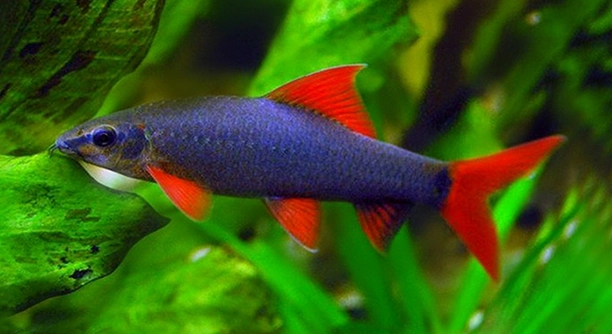
Rainbow sharks are popular aquarium fish known for their striking colors and active behavior. Like many fish, they can experience stress from different causes that affect their health and well-being. Understanding these causes is important for keeping them happy and healthy.
Rainbow shark stress can result from poor water quality, improper tank size, aggressive tank mates, inadequate diet, lack of hiding spots, sudden changes in environment, and overcrowding. Identifying and correcting these factors helps reduce stress and improve their overall condition.
Knowing how to spot and fix stress in rainbow sharks can make a big difference in their care. This article will help you recognize common problems and provide simple solutions to keep your fish comfortable.
Poor Water Quality
Poor water quality is one of the most common reasons rainbow sharks get stressed. When ammonia, nitrite, or nitrate levels rise, it can harm their gills and skin. Sudden changes in pH or temperature also make them uncomfortable. Dirty water encourages harmful bacteria and reduces oxygen, causing breathing problems. Keeping the tank clean with regular water changes helps prevent these issues. Using a good filter and testing water often makes a big difference. Rainbow sharks are sensitive to their environment, so small changes can affect their mood and health quickly. Paying attention to water conditions keeps them calm and active. A healthy tank promotes their natural colors and behavior, which makes caring for them easier and more rewarding. Many owners don’t realize how often water problems cause fish stress until it’s too late. Simple maintenance steps can prevent most water-related issues and give your rainbow shark the best living conditions possible.
Regular water testing and maintenance are key to keeping your rainbow shark stress-free and healthy in the long term.
To maintain proper water quality, test your aquarium weekly for ammonia, nitrites, nitrates, and pH levels. Perform partial water changes of 20-30% every one to two weeks to keep toxins low. Use a reliable filtration system that matches your tank size and clean filter media regularly. Avoid overcrowding, as more fish increase waste production. Keep temperature stable, ideally between 74°F and 80°F. Adding live plants can help absorb nitrates naturally. Monitoring these factors consistently prevents water issues that cause stress and illness. When water quality is good, rainbow sharks show better color and activity levels. Establishing a routine care schedule helps you catch problems early, ensuring your fish stays healthy and comfortable.
Tank Size and Space
Rainbow sharks need enough space to swim freely and explore. A small or crowded tank limits their movement and causes stress quickly.
Providing at least a 30-gallon tank is recommended for one rainbow shark. Larger tanks help reduce territorial behavior and allow multiple hiding spots. When space is tight, aggression can increase, making the fish nervous and defensive. Adequate room also improves water quality by diluting waste. Using decorations and plants to create separate areas helps them feel secure. Overcrowding often leads to constant chasing and fighting, which wears the fish down. Observing how your rainbow shark uses its space can tell you if the tank is large enough. If you notice stress signs like hiding or faded color, it may be time to upgrade. A roomy tank gives them a better quality of life and reduces many stress factors naturally.
Ensuring the right tank size and layout supports your rainbow shark’s well-being and promotes peaceful behavior among tank mates.
Aggressive Tank Mates
Aggressive tank mates cause stress by constantly chasing or nipping rainbow sharks. This behavior makes them hide or become withdrawn.
Keeping rainbow sharks with peaceful species reduces conflict. Avoid fish known for aggression or fin-nipping. Compatible tank mates include tetras, danios, and peaceful catfish.
If aggression is present, separating aggressive fish or increasing hiding spots can help. Overcrowding also worsens aggression, so maintaining proper stocking levels is important for a calm environment.
Inadequate Diet
A poor diet weakens rainbow sharks and increases stress. Feeding only flakes or low-quality food lacks necessary nutrients for their health and coloration.
Rainbow sharks need a balanced diet including pellets, frozen or live foods like bloodworms, brine shrimp, and vegetables. Variety helps meet their dietary needs and keeps them active. Overfeeding can cause obesity and water pollution, so feeding small amounts twice daily is best.
Providing nutritious food supports their immune system and reduces stress. Watching how they respond to different foods helps adjust feeding for optimal health and vibrancy. A well-fed rainbow shark will show better colors and more natural behavior.
Lack of Hiding Spots
Rainbow sharks need places to hide and feel safe. Without enough cover, they become stressed and shy.
Adding caves, plants, or decorations helps create hiding spots. This reduces anxiety and encourages natural behavior.
Sudden Environmental Changes
Sudden changes in temperature, lighting, or water parameters upset rainbow sharks. These changes cause shock and stress quickly.
Maintain a stable environment by making gradual adjustments. Use consistent lighting schedules and avoid rapid water changes.
Overcrowding
Too many fish in one tank cause stress by competing for space and resources. Overcrowding leads to poor water quality and aggression.
Keeping the tank properly stocked ensures enough room for rainbow sharks to thrive and feel secure.
How can I tell if my rainbow shark is stressed?
Signs of stress in rainbow sharks include faded or dull colors, hiding more than usual, loss of appetite, and erratic swimming. They might also scrape against objects or show signs of lethargy. Watching your fish daily helps catch these changes early so you can act before health worsens.
What are the most common causes of stress in rainbow sharks?
Stress usually comes from poor water quality, small or overcrowded tanks, aggressive tank mates, lack of hiding spots, inadequate diet, and sudden changes in their environment. Each of these factors affects their well-being and can cause behavioral or physical signs of stress.
How often should I test my aquarium water?
Testing water weekly is ideal to keep ammonia, nitrites, nitrates, and pH in safe ranges. Frequent checks help spot problems early. If your tank is new or you notice issues, test more often until conditions stabilize.
Can I keep rainbow sharks with other fish?
Yes, but choose peaceful species to avoid aggression. Good tank mates include small tetras, danios, and peaceful bottom dwellers. Avoid fin-nippers or overly aggressive fish, as they cause stress by chasing or harming rainbow sharks.
What is the best tank size for a rainbow shark?
A minimum of 30 gallons is recommended for one rainbow shark. Bigger tanks are better, especially if you plan to keep more than one or add other fish. More space reduces stress and aggressive behavior.
How can I improve hiding spots in my tank?
Add caves, driftwood, and plants to create places your rainbow shark can retreat to. Live or artificial plants provide cover and reduce stress by giving your fish a safe space to rest when needed.
What should I feed my rainbow shark?
Offer a balanced diet of high-quality pellets, frozen or live foods like bloodworms and brine shrimp, and some vegetable matter. Feeding small amounts twice daily prevents overfeeding and keeps your fish healthy and active.
How often should I change the water in my aquarium?
Perform a partial water change of about 20-30% every one to two weeks. This helps keep the water clean and reduces toxins that cause stress. Adjust frequency based on tank size, fish load, and water test results.
What temperature is best for rainbow sharks?
Keep the water temperature steady between 74°F and 80°F (23°C to 27°C). Sudden temperature shifts can stress your fish, so use a reliable heater and thermometer to maintain consistent warmth.
How do I handle sudden environmental changes?
Make changes slowly to avoid shocking your fish. For example, when adjusting water parameters or introducing new decorations, do so gradually over several days. Keep lighting on a regular schedule to maintain routine.
Can overcrowding cause health problems?
Yes. Overcrowding raises waste levels, lowers oxygen, and increases stress. This weakens the immune system, making rainbow sharks more prone to disease. Keeping the tank properly stocked ensures better health and comfort.
What is the impact of aggressive tank mates?
Aggressive fish cause constant chasing, nipping, and stress. Rainbow sharks may hide constantly or stop eating. If aggression is present, remove or isolate aggressive fish to restore peace.
How do I reduce stress from poor water quality?
Maintain good filtration, test water regularly, and do consistent partial water changes. Avoid overfeeding, which pollutes water, and clean the tank as needed to keep conditions stable.
Can stress affect the color of my rainbow shark?
Yes, stressed rainbow sharks often lose their bright colors and appear faded or dull. Improving tank conditions and reducing stress factors usually helps colors return.
What should I do if my rainbow shark is hiding too much?
Check for water quality issues, tank size, and aggressive tank mates. Add hiding spots and make sure the environment is stable. If hiding continues, consider consulting an expert as it could signal illness or prolonged stress.
Taking care of rainbow sharks means paying close attention to their environment and daily habits. Stress in these fish can come from many small things that add up, such as poor water quality, crowded tanks, or aggressive neighbors. When stress builds, it affects their health and behavior. Knowing the common causes of stress and how to fix them helps keep your fish happy and healthy. Simple actions like regular water testing, feeding a balanced diet, and providing enough space go a long way in reducing stress.
It is important to remember that rainbow sharks need stable conditions. Sudden changes in water temperature, lighting, or tank layout can make them nervous and cause health problems. Creating a calm and consistent environment helps your fish feel safe and behave naturally. Adding hiding spots with plants or decorations gives them places to rest and escape when they feel threatened. Choosing peaceful tank mates and avoiding overcrowding also prevents conflict and keeps the aquarium peaceful. When these needs are met, your rainbow shark will show its true colors and lively personality.
Keeping up with maintenance and observing your fish every day helps catch problems early. If you notice signs of stress like faded colors, hiding too much, or loss of appetite, it is a signal to check water quality, tank conditions, and diet. Making small changes quickly can improve their well-being and prevent illness. Caring for rainbow sharks is rewarding when you see them thriving in a healthy environment. With patience and attention to their needs, you can create a balanced home where your fish can grow strong and enjoy life.

Hello,
If you enjoy the content that we create, please consider saying a "Thank You!" by leaving a tip.
Every little bit helps us continue crafting quality advice that supports the health, happiness, and well-being of pets around the world, for pets of all shapes, sizes, and species.
We really appreciate the kindness and support that you show us!