
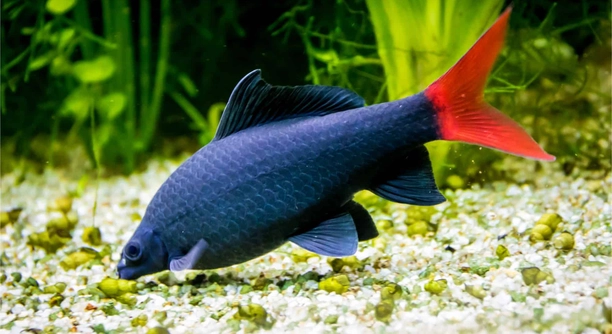
Rainbow sharks are popular aquarium fish known for their vibrant colors and active behavior. However, they can suffer from various illnesses that affect their health and lifespan. Understanding the causes of these illnesses is important for any rainbow shark owner.
Common causes of rainbow shark illness include poor water quality, improper diet, stress, infections from bacteria or parasites, overcrowding, sudden changes in environment, and inadequate tank conditions. These factors can weaken their immune system, making them more susceptible to diseases.
Knowing these causes can help you take better care of your fish. This article explains how to prevent these issues and keep your rainbow shark healthy.
Poor Water Quality
Maintaining clean water is essential for rainbow sharks. Dirty water can quickly lead to illness. High levels of ammonia, nitrites, and nitrates stress fish and damage their gills and skin. A lack of proper filtration or infrequent water changes often causes these issues. It’s important to test water regularly and keep parameters stable. Also, avoid overcrowding the tank, as more fish produce more waste. Using a reliable water conditioner helps remove harmful chemicals. Temperature fluctuations or wrong pH levels also affect their health. I’ve found that sticking to a strict cleaning schedule makes a big difference in preventing sickness. Clean water helps fish maintain strong immune systems and better resist infections.
Testing your water weekly ensures a safe environment. It prevents buildup of harmful substances that cause stress and illness.
Keeping the tank clean is one of the easiest ways to protect your rainbow shark. Clean water supports healthy breathing and reduces disease risk. Consistent monitoring and timely water changes are key. Even small changes in water quality can affect your fish quickly. Filtration systems should match the tank size, and filters need regular maintenance. Avoid using soaps or chemicals during cleaning. When introducing new fish, quarantine them to prevent spreading disease. These simple steps create a stable, healthy habitat for your rainbow shark to thrive.
Improper Diet
Rainbow sharks need a balanced diet to stay healthy. Feeding them only one type of food or too much can cause problems. These fish are omnivores and require protein as well as plant matter. Inadequate nutrition weakens their immune system and affects their colors. Overfeeding can pollute the water and cause obesity or swim bladder issues. It is best to offer a mix of high-quality flakes, pellets, and occasional live or frozen foods like bloodworms or brine shrimp. Including vegetables such as blanched zucchini or peas provides essential nutrients. I make sure to feed small amounts twice a day and remove leftovers promptly to keep the tank clean.
Balanced feeding keeps fish active and colorful. Overfeeding risks water quality and health.
Providing a varied diet mimics their natural food sources and supports overall well-being. Avoid feeding only flakes or processed foods, as they lack necessary vitamins. Frozen or live foods help increase protein intake and improve vitality. Vegetable matter aids digestion and prevents constipation. Feeding small portions prevents food waste and water contamination. Feeding at regular times helps maintain a routine and reduces stress. Observing your rainbow shark during feeding can indicate health problems early. Healthy appetite and vibrant colors are good signs of proper nutrition. This care helps your fish grow stronger and resist diseases.
Stress and Overcrowding
Stress weakens a rainbow shark’s immune system and makes it more vulnerable to illness. Overcrowded tanks cause constant competition for food and space, increasing aggression and stress levels.
Crowded conditions limit swimming space and increase waste buildup, which harms water quality. Rainbow sharks are territorial and need enough room to establish their own areas. If the tank is too small or houses too many fish, conflicts can occur, leading to injury and stress. Providing hiding spots and ensuring proper tank size reduces stress. I’ve noticed my fish stay calmer and healthier when they have plenty of space and fewer tank mates.
Monitoring fish behavior helps spot signs of stress early. Avoid sudden changes in environment or tank mates, as these also cause stress. Keeping a peaceful, balanced tank environment supports your rainbow shark’s health and longevity.
Bacterial and Parasitic Infections
Bacterial and parasitic infections are common causes of illness in rainbow sharks. These infections often result from poor water quality or injuries.
Bacteria can enter through wounds or damaged skin, causing infections such as fin rot or ulcers. Parasites like ich and flukes attach to the fish’s body, leading to irritation and health decline. These infections spread quickly in crowded or dirty tanks. Early signs include clamped fins, white spots, or unusual behavior. Treating infections promptly with medications and improving tank conditions is crucial. Quarantining new fish helps prevent spreading parasites or bacteria to healthy fish.
Keeping the tank clean and providing good nutrition helps reduce infection risk. Regular observation allows early detection and treatment, improving recovery chances. Infection control requires consistent care and vigilance.
Sudden Environmental Changes
Sudden changes in temperature or water chemistry stress rainbow sharks. They need stable conditions to stay healthy.
Even small shifts can weaken their immune system and make them vulnerable to illness. Gradual adjustments are important to avoid shock.
Inadequate Tank Conditions
Rainbow sharks require plenty of swimming space and hiding spots. A bare or overcrowded tank leads to stress and health problems.
Proper tank setup mimics their natural environment, which supports their well-being and reduces aggression.
Overfeeding
Feeding too much food causes water pollution and health issues like bloating. It also leads to leftover waste that harms water quality.
Moderation in feeding keeps the tank clean and helps maintain your fish’s health. Remove uneaten food promptly.
Quarantine Neglect
Skipping quarantine when adding new fish risks introducing diseases. Quarantine helps catch infections early before they spread.
Isolating new fish is a simple step that protects your entire tank’s health.
FAQ
What are the first signs my rainbow shark is sick?
Early signs include loss of appetite, lethargy, faded colors, and clamped fins. You might also notice unusual swimming patterns or hiding more than usual. Sometimes, white spots, redness, or sores appear on their body. Watching for these symptoms helps catch illness before it worsens.
How often should I change the water to prevent illness?
It’s best to change 20-30% of the water every week. This keeps the water clean and removes harmful substances. More frequent changes may be needed if the tank is crowded or if water tests show high levels of toxins. Regular water testing guides the schedule.
Can stress really cause illness in rainbow sharks?
Yes, stress lowers their immune defenses, making them more prone to infections. Causes of stress include overcrowding, poor water quality, sudden changes in the environment, and aggressive tank mates. Reducing stress through proper tank setup and routine care is essential.
What foods are best to keep my rainbow shark healthy?
A balanced diet includes high-quality flakes or pellets, supplemented with live or frozen foods like bloodworms and brine shrimp. Adding vegetables such as peas or zucchini supports digestion. Feeding small portions twice daily and removing leftovers helps maintain water quality.
How do I treat common bacterial infections?
Treatment usually involves antibacterial medications available at pet stores. Improving water quality and isolating sick fish speeds recovery. Early treatment is crucial to prevent the infection from spreading. Always follow dosage instructions carefully to avoid harming your fish.
Are parasites easy to spot on rainbow sharks?
Some parasites, like ich, show visible white spots on the fish. Others may cause scratching against objects or rapid breathing. Parasites can be harder to detect early, so regular observation is important. Quarantining new fish helps prevent parasite introduction.
How important is tank size for rainbow sharks?
Tank size matters a lot since rainbow sharks need room to swim and establish territories. A minimum of 30 gallons is recommended for one fish, with more space required if housing multiple fish. A cramped tank leads to stress and illness.
What temperature should the tank be kept at?
Rainbow sharks thrive in temperatures between 72°F and 79°F (22°C to 26°C). Keeping the temperature stable within this range helps prevent stress and supports their immune system. Sudden temperature changes should be avoided.
Can I use tap water directly in the tank?
Tap water must be treated with a water conditioner before use. It often contains chlorine and heavy metals harmful to fish. Conditioning neutralizes these chemicals, making the water safe. Testing water parameters after treatment ensures proper conditions.
How long should new fish be quarantined?
A quarantine period of at least two weeks is recommended. This time allows for observation and treatment of any diseases before introducing new fish to the main tank. Quarantine tanks should have similar water conditions to reduce stress.
Is it necessary to have hiding spots in the tank?
Yes, hiding spots help reduce stress by giving rainbow sharks a place to retreat. Decorations like caves, plants, or driftwood provide security and break lines of sight between territorial fish. This reduces aggression and promotes healthier behavior.
What should I do if my fish stops eating?
Loss of appetite can signal illness or stress. Check water quality and look for signs of disease. Offering varied, high-quality foods may stimulate feeding. If the problem continues for more than a day or two, consider consulting a veterinarian or experienced aquarist.
How do I keep the tank clean without stressing the fish?
Use gentle siphoning to remove debris during water changes and clean filters regularly. Avoid sudden large water changes. Keeping a routine cleaning schedule minimizes stress and keeps the environment stable for your fish.
Can overcrowding cause disease?
Yes, overcrowding increases stress, waste buildup, and competition for food and space. These factors weaken immune systems and promote the spread of infections. Ensuring adequate tank size and stocking limits helps prevent disease outbreaks.
Final thoughts are important when caring for rainbow sharks. These fish need consistent attention to water quality, diet, and tank conditions. Ignoring any of these areas can lead to illness. Maintaining a stable and clean environment helps rainbow sharks stay healthy and active. Regular water testing and cleaning are simple steps that prevent many common problems. Providing a balanced diet and feeding the right amount supports their immune system. Also, paying attention to signs of stress or sickness allows early action, which can save your fish from serious health issues.
Keeping your tank properly sized and not overcrowded plays a big role in preventing disease. Rainbow sharks are territorial and need space to swim and hide. A tank that is too small or crowded increases stress and aggression among fish. This stress makes them vulnerable to infections and other health problems. Adding decorations like plants and caves creates hiding spots that help fish feel secure. Avoiding sudden changes in temperature or water chemistry also reduces stress. Gradual adjustments are better for your fish’s health and well-being. A peaceful, stable environment gives rainbow sharks the best chance to thrive.
Finally, quarantine new fish before adding them to your main tank. This step helps avoid introducing diseases that could harm your rainbow sharks. Even healthy-looking fish can carry infections or parasites. Quarantine allows you to observe and treat new fish if needed before they share the tank. Consistency in care and attention to detail make a big difference in keeping rainbow sharks healthy. Following these guidelines will reduce the risk of illness and improve your fish’s quality of life. Good care creates a happy, vibrant tank where your rainbow sharks can live longer and look their best.

Hello,
If you enjoy the content that we create, please consider saying a "Thank You!" by leaving a tip.
Every little bit helps us continue crafting quality advice that supports the health, happiness, and well-being of pets around the world, for pets of all shapes, sizes, and species.
We really appreciate the kindness and support that you show us!