
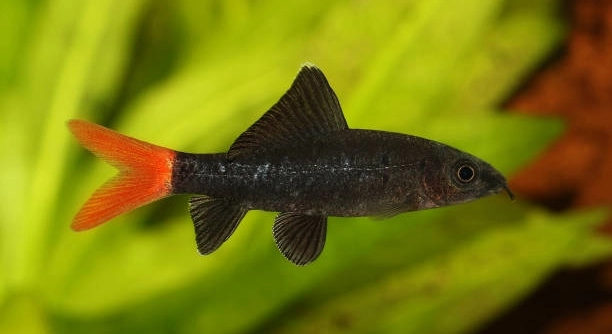
Rainbow sharks are popular aquarium fish known for their striking fins. Many owners notice damage to their fins, which can affect the fish’s appearance and health. Understanding the causes of fin damage helps in maintaining a healthy tank environment.
Rainbow shark fin damage is commonly caused by poor water quality, aggressive tank mates, nutritional deficiencies, fin rot infections, physical injuries, stress, and improper tank conditions. Addressing these factors promptly prevents further harm and supports fin regeneration.
Identifying these causes early can protect your fish and improve their wellbeing. The following details explain how to recognize and solve these common issues effectively.
Poor Water Quality
Maintaining good water quality is essential for rainbow sharks. Dirty water can cause stress and weaken their fins. Excess ammonia, nitrites, or nitrates in the tank irritate the fish’s skin and fins, leading to damage. Regular water changes and proper filtration help keep the water clean and safe. Testing water parameters weekly is important to catch problems early. Avoid overfeeding, as leftover food decomposes and pollutes the water. Clean decorations and substrate regularly to remove waste buildup. A well-maintained tank reduces the risk of infections and physical harm. Healthy water conditions also encourage natural fin regeneration and overall vitality in your rainbow shark. Being attentive to these details creates a stable environment where the fish can thrive.
Poor water quality can cause fin damage, infections, and general stress in rainbow sharks. Preventing these issues keeps your fish healthy and active.
Keeping water clean requires consistent care. Use a reliable filter, perform weekly partial water changes of 20-30%, and avoid overcrowding the tank. Monitor ammonia, nitrite, and nitrate levels carefully. If levels rise, act quickly by increasing water changes and cleaning the tank. Also, consider adding live plants, which absorb harmful substances naturally. Proper water temperature and pH balance support your rainbow shark’s immune system. Keeping these factors steady reduces fin damage risks and improves recovery. A clean tank encourages natural behaviors and less aggressive interactions among fish, further protecting delicate fins. Regular maintenance may seem time-consuming, but it is crucial for long-term success with rainbow sharks.
Aggressive Tank Mates
Aggressive fish can nip or tear rainbow shark fins, causing serious damage. Tank mates that are territorial or overly active often stress rainbow sharks. This stress can make fin damage worse and slow healing. Choose peaceful, compatible species that tolerate the same water conditions and tank size. Avoid keeping rainbow sharks with fin-nippers like some barbs, cichlids, or large aggressive fish. Proper hiding places and decorations can reduce conflicts by giving your fish space to retreat. Monitor your tank regularly to identify any signs of bullying or chasing. Early intervention, like separating aggressive fish or rearranging the tank, helps protect your rainbow shark’s fins and wellbeing. Peaceful cohabitation promotes a calmer environment and healthier fish overall.
Nutritional Deficiencies
Rainbow sharks need a balanced diet rich in proteins and vitamins to keep their fins healthy. Poor nutrition weakens their immune system and slows fin repair. Feeding them high-quality pellets, occasional live or frozen foods, and vegetables supports fin growth and overall health.
A diet lacking essential nutrients causes fins to become brittle and prone to tears. Vitamins like vitamin C and minerals like calcium help maintain strong fin tissue. Feeding only flakes or low-quality food deprives the fish of these nutrients, increasing vulnerability to damage. Varying their diet mimics natural feeding habits and boosts immunity. Providing supplements or specialized foods can correct deficiencies and improve fin condition.
Careful feeding routines prevent overfeeding, which pollutes the water and causes other health problems. Measure portions and feed small amounts 2-3 times daily. Healthy nutrition promotes not just fin health but better color and energy in your rainbow shark.
Fin Rot Infections
Fin rot is a common bacterial infection causing fin edges to appear ragged or discolored. It often results from poor water conditions or injury. Early treatment is critical to prevent the infection from worsening.
Antibacterial medications available at pet stores can treat fin rot effectively. Before treatment, improve water quality by performing partial water changes and removing any stress factors. Quarantining the affected fish helps avoid spreading the infection to other tank mates. Follow medication instructions carefully for the best results. Maintaining a clean tank afterward reduces the chance of recurrence. Fin rot can be prevented by keeping water parameters stable and avoiding overcrowding.
Infected fins may regenerate once the infection clears, but the process takes time and requires a stress-free environment. Monitoring your rainbow shark daily helps catch early symptoms like frayed fin edges or discoloration. Quick response to these signs improves recovery and keeps your fish comfortable and healthy.
Physical Injuries
Physical injuries often happen when rainbow sharks bump into sharp decorations or rough surfaces. These accidents cause fin tears or cuts that can lead to infections if untreated.
Removing or smoothing out sharp objects in the tank prevents injuries. Providing plenty of open swimming space also reduces collisions.
Stress
Stress weakens rainbow sharks’ immune systems, making fin damage more likely. Causes include poor water conditions, aggressive tank mates, and sudden changes in environment.
Reducing stress involves maintaining stable water quality, avoiding overcrowding, and creating hiding spots. Calm surroundings encourage fin healing and overall health.
Improper Tank Conditions
Tank conditions like temperature, pH, and size affect rainbow sharks’ fin health. Incorrect settings cause stress and physical issues, including fin damage.
Maintaining temperature between 74-79°F and a pH of 6.5-7.5 supports fin integrity. Tanks should be at least 30 gallons to allow comfortable swimming and reduce stress.
Conclusion
FAQ
What causes rainbow shark fins to get damaged?
Rainbow shark fins can become damaged due to several factors. Poor water quality is one of the main reasons, as dirty or polluted water irritates their skin and fins. Aggressive tank mates may nip or tear fins during territorial disputes. Nutritional deficiencies weaken fin tissues, making them fragile. Fin rot infections caused by bacteria thrive in unclean environments. Physical injuries happen when fish bump into sharp or rough decorations. Stress from overcrowding or sudden environmental changes lowers their immune response. Finally, improper tank conditions like incorrect temperature or pH can also lead to fin damage.
How can I prevent fin damage in my rainbow shark?
Prevention starts with maintaining clean, stable water conditions. Regular water testing and weekly partial water changes help keep ammonia, nitrite, and nitrate levels low. Avoid overcrowding your tank and choose peaceful, compatible fish to reduce aggressive behavior. Feed a balanced diet rich in proteins, vitamins, and minerals to strengthen fin tissue. Remove or smooth any sharp decorations to prevent injuries. Provide hiding spots to reduce stress and territorial fights. Lastly, keep tank parameters like temperature and pH within the recommended range to support overall health.
What should I do if my rainbow shark has fin rot?
If you notice ragged, discolored, or frayed fins, fin rot might be the issue. First, improve water quality with partial water changes and check filtration. Isolate the affected fish to prevent spreading the infection. Use antibacterial medication specifically designed for fin rot, following dosage instructions carefully. Continue treatment until the infection clears. Maintain clean water and reduce stress during recovery. Once healed, monitor the fish closely for any signs of recurrence. Early detection and prompt treatment are key to successful recovery.
Can nutrition really affect fin health?
Yes, nutrition plays a critical role in fin health. Rainbow sharks require a diet rich in proteins, vitamins (especially vitamin C), and minerals like calcium. Poor nutrition makes fins brittle and prone to tears. Feeding only flakes or low-quality food deprives fish of essential nutrients. Offering high-quality pellets, occasional live or frozen foods, and vegetables supports fin repair and growth. Supplements can help correct deficiencies. Balanced nutrition also boosts the immune system, reducing the risk of infections like fin rot.
How often should I change my tank water to protect my rainbow shark’s fins?
Weekly partial water changes of 20-30% are recommended for rainbow shark tanks. This routine helps keep harmful substances like ammonia and nitrites at safe levels. More frequent changes may be needed if the tank is heavily stocked or if water tests show elevated toxins. Avoid doing large water changes too often, as sudden changes can stress the fish. Keeping water clean supports healthy fins and prevents infections. Regular maintenance is essential for a stable environment and strong fish.
Are certain tank mates better to keep with rainbow sharks?
Peaceful and similarly sized fish are best tank mates for rainbow sharks. Avoid aggressive or fin-nipping species such as some barbs, cichlids, or larger predatory fish. Compatible species reduce stress and lower the risk of fin damage caused by chasing or biting. Providing plenty of hiding spaces and open swimming areas also helps reduce conflicts. Proper community tank planning supports peaceful interactions and healthier fins.
What role does stress play in fin damage?
Stress lowers the immune system’s ability to fight infections and heal injuries. Causes include poor water quality, aggressive tank mates, overcrowding, and sudden changes in environment. Stressed rainbow sharks may also behave erratically, increasing the risk of physical damage to fins. Reducing stress by stabilizing tank conditions and providing hiding spots encourages fin regeneration and better overall health.
How long does it take for damaged fins to heal?
Healing time depends on the severity of damage and tank conditions. Minor tears can start improving within a week if water quality is good and stress is low. More severe injuries or infections may take several weeks to fully heal. Maintaining optimal tank conditions and nutrition supports faster recovery. Avoiding further injuries during this time is crucial for successful fin regeneration.
Can I use any medication to treat fin damage?
Not all medications are suitable for fin damage. If caused by bacterial infections like fin rot, antibacterial treatments are needed. For injuries or nutritional deficiencies, improving water quality and diet is more important. Always choose medications specifically designed for aquarium fish and follow the instructions carefully. Using the wrong treatment can harm your fish or disrupt the tank balance.
Is tank size important for preventing fin damage?
Yes, tank size affects fish behavior and health. Rainbow sharks require at least a 30-gallon tank to have enough swimming space and reduce stress. Smaller tanks lead to overcrowding and increased aggression, which can cause fin injuries. A spacious tank allows natural behaviors, reduces conflicts, and supports healthier fins. Proper tank size is a key factor in long-term fin health.
Taking care of rainbow sharks means paying close attention to their environment and health. Fin damage is a common issue that can be caused by many different factors. From poor water quality and aggressive tank mates to nutritional problems and infections, each factor affects the fins in its own way. Knowing what causes fin damage helps prevent it and allows for quick action when problems arise. Keeping the tank clean and stable is one of the most important steps. Regular water changes, proper filtration, and avoiding overcrowding create a safe space where your rainbow shark can stay healthy.
Diet also plays a major role in maintaining strong fins. Feeding a balanced and varied diet ensures the fish gets the nutrients it needs for fin repair and growth. High-quality pellets, supplemented with live or frozen foods, provide proteins and vitamins that support overall health. It is equally important to remove sharp decorations that can cause injuries and to choose peaceful tank mates that will not stress or harm your rainbow shark. Stress weakens the fish’s immune system and slows healing, so reducing stressful factors is essential for recovery.
If fin damage occurs, early treatment is key. Identifying the cause allows you to act effectively, whether it means improving water quality, treating infections, or adjusting diet. Healing takes time, and a calm environment with stable conditions supports regrowth. Regular monitoring of your fish and tank conditions helps catch problems early and keeps your rainbow shark healthy. Overall, attention to water quality, nutrition, tank setup, and stress reduction will protect your fish’s fins and improve its well-being in the long run.

Hello,
If you enjoy the content that we create, please consider saying a "Thank You!" by leaving a tip.
Every little bit helps us continue crafting quality advice that supports the health, happiness, and well-being of pets around the world, for pets of all shapes, sizes, and species.
We really appreciate the kindness and support that you show us!