
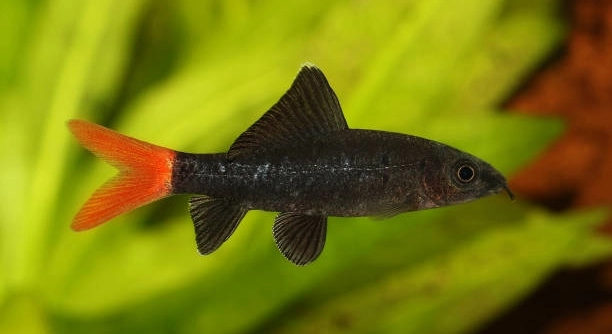
Rainbow sharks are popular freshwater fish known for their sleek bodies and distinctive fins. Many owners notice their fins becoming damaged or torn, which can be concerning. Understanding why this happens is important to keeping these fish healthy and vibrant.
The main causes of rainbow shark fin damage include poor water quality, aggression from tank mates, fin rot infections, improper diet, physical injury, stress, and inadequate tank conditions. Addressing these factors is essential to restoring fin health and preventing further damage.
Knowing the causes and solutions can help you maintain a thriving aquarium. This article will guide you through the key reasons behind fin damage and practical ways to fix it.
Poor Water Quality
Poor water quality is a major cause of fin damage in rainbow sharks. When ammonia, nitrite, or nitrate levels rise, it stresses the fish and weakens their fins. Dirty water encourages bacterial and fungal infections, which can cause the fins to rot or tear easily. Regular water testing and timely changes are crucial. If the tank is overcrowded, waste builds up faster, further harming water quality. Maintaining stable water parameters, such as temperature and pH, is also important to avoid stress. A clean, well-maintained tank helps rainbow sharks stay healthy and reduces the chance of fin problems.
Maintaining clean water is essential for your rainbow shark’s well-being. Testing water and performing partial changes regularly keeps the environment safe and stable.
Proper filtration and scheduled water changes prevent toxins from harming your fish. Avoid overfeeding, as leftover food can pollute the water. Using a water conditioner helps remove harmful chemicals like chlorine. Establishing a consistent cleaning routine keeps water quality high and supports fin healing. Remember, clean water benefits all aquarium inhabitants, not just the rainbow shark. A healthy tank environment is the first step in preventing fin damage.
Aggression from Tank Mates
Aggression from other fish can cause fin damage in rainbow sharks. Territorial behavior or chasing leads to torn fins and stress. Keeping compatible fish together minimizes this risk.
Rainbow sharks are territorial, especially in smaller tanks. Aggressive tank mates can nip at their fins, causing injuries that may become infected. To prevent this, avoid overcrowding and choose peaceful companions. Adding plenty of hiding spots and decorations can reduce conflicts by giving fish personal space. Observing fish behavior regularly helps catch early signs of aggression. Sometimes separating aggressive fish or increasing tank size is necessary to protect your rainbow shark’s fins and overall health.
Providing a well-structured tank environment and compatible species reduces stress and fin damage. Monitoring interactions ensures your rainbow shark can swim safely without constant harassment.
Fin Rot Infections
Fin rot is a common bacterial infection that damages rainbow shark fins. It usually results from poor water conditions or injuries and can worsen quickly if untreated.
Bacteria and fungi thrive in dirty or stressed tanks, attacking the fins and causing them to fray or decay. Early signs include discoloration or ragged edges. Treating fin rot involves improving water quality and using aquarium-safe antibiotics or antifungal medications. Removing infected fish to a quarantine tank can help prevent spreading. Proper nutrition strengthens the immune system, aiding recovery. Healing may take weeks, so consistent care is essential. Preventing fin rot starts with good tank maintenance and minimizing stress factors to keep your rainbow shark healthy and comfortable.
Improper Diet
An improper diet can weaken rainbow shark fins over time. Lack of essential nutrients reduces fin strength and slows healing.
Feeding a varied diet rich in vitamins and proteins supports fin growth. Avoid relying solely on flakes or pellets to meet their nutritional needs.
Physical Injury
Physical injuries often happen from sharp decorations, rough handling, or aggressive tank mates. These injuries can tear fins and leave open wounds vulnerable to infection.
Removing sharp objects and handling fish carefully reduces the risk of injury. Creating a safe tank environment helps maintain fin health.
Stress
Stress causes rainbow sharks to become more susceptible to fin damage. Changes in water conditions, overcrowding, or aggressive neighbors increase stress levels.
Reducing stress involves maintaining stable water parameters, providing enough space, and ensuring peaceful tank mates. A calm environment promotes healing and fin regrowth.
What causes rainbow shark fins to become damaged?
Rainbow shark fin damage is mainly caused by poor water quality, aggression from other fish, infections like fin rot, improper diet, physical injuries, stress, and unsuitable tank conditions. These factors weaken the fins and make them prone to tearing or decay.
How can I tell if my rainbow shark’s fins are damaged?
Damaged fins often look ragged, torn, or frayed. You might see discoloration, white edges, or missing fin parts. The fish may also swim less actively or hide more. Early detection helps prevent further damage.
Can poor water quality really cause fin damage?
Yes, poor water quality leads to stress and infections that harm fins. High ammonia or nitrate levels and unclean water encourage bacteria and fungi to attack the fins. Regular water tests and changes are essential.
What are signs of fin rot infection?
Fin rot starts with discoloration or dark edges on the fins, followed by fraying or holes. The fins may appear ragged, and the fish could act lethargic. Prompt treatment improves recovery chances.
How do I treat fin rot in rainbow sharks?
Improving water quality is the first step. Use aquarium-safe antibiotics or antifungal medicines as directed. Quarantine infected fish if possible. Keep feeding nutritious food to support healing.
Can tank mates cause fin damage?
Yes, aggressive or territorial fish can nip or chase rainbow sharks, tearing their fins. Choosing peaceful species and providing hiding places helps reduce this behavior and protect the fins.
How important is diet for fin health?
A balanced diet rich in proteins and vitamins supports fin growth and repair. Feeding varied foods like pellets, flakes, and occasional live or frozen treats strengthens the immune system and fin condition.
What should I avoid to prevent fin injuries?
Avoid sharp decorations or rough tank setups that can tear fins. Handle fish gently during cleaning or transfers. Overcrowding increases fights and injury risk, so maintain proper stocking levels.
Does stress affect fin health?
Stress weakens the immune system, making fins more vulnerable to damage and infection. Stable water parameters, peaceful tank mates, and enough space reduce stress and promote fin recovery.
How long does it take for fins to heal?
Healing time varies but usually takes several weeks. Consistent care, clean water, good diet, and reduced stress help fins grow back healthier and stronger over time.
Can fin damage be prevented completely?
While not all damage can be avoided, good tank maintenance, proper diet, peaceful companions, and careful handling significantly lower the chances of fin problems in rainbow sharks.
Taking care of rainbow shark fins requires attention to several important factors. Poor water quality, aggression from other fish, infections, diet, injuries, and stress all play a role in fin damage. Maintaining a clean tank with stable water parameters is key to preventing many issues. Regular water testing and changes keep harmful substances like ammonia and nitrates low, which helps protect the fins from infection and decay. Keeping the tank environment calm and safe also reduces the risk of injury and stress.
Feeding a balanced diet that includes protein and vitamins supports fin growth and repair. Overfeeding or relying only on one type of food can weaken the fish’s immune system, making fins more prone to damage. Watching the behavior of your rainbow shark and its tank mates is also important. Aggressive fish can cause torn fins, so choosing peaceful companions and providing hiding places reduces conflicts. Careful handling during tank cleaning or moving helps prevent accidental injuries that can harm the fins.
Patience is necessary when healing damaged fins. Recovery can take several weeks and requires consistent care. Using proper treatments for infections and maintaining ideal tank conditions will support your rainbow shark’s health. Prevention is always better than repair, so regular maintenance and observation of your aquarium will keep your fish healthy and their fins strong. With the right care, your rainbow shark can thrive with bright, intact fins that add beauty to your tank.

Hello,
If you enjoy the content that we create, please consider saying a "Thank You!" by leaving a tip.
Every little bit helps us continue crafting quality advice that supports the health, happiness, and well-being of pets around the world, for pets of all shapes, sizes, and species.
We really appreciate the kindness and support that you show us!