
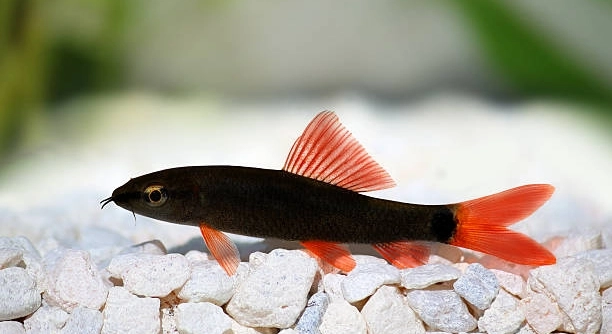
Rainbow sharks are popular aquarium fish known for their striking colors and active nature. Sometimes, their behavior can change unexpectedly, causing concern for fish owners. Understanding these changes helps maintain a healthy environment for them.
Behavioral changes in rainbow sharks are commonly caused by factors such as water quality issues, inadequate tank size, stress from tank mates, improper diet, illness, lack of hiding spots, and environmental changes. Addressing these causes involves improving conditions and monitoring their health closely.
Recognizing the reasons behind these behavior shifts will help you create a better home for your fish and prevent future problems. This article explains each cause clearly and offers practical solutions.
Poor Water Quality
Poor water quality is one of the most common reasons rainbow sharks change their behavior. High levels of ammonia, nitrites, or nitrates can make fish stressed and weak. Dirty water often causes them to hide more or become less active. Testing the water regularly is important. If the water is not clean, perform partial water changes. Using a good filter helps keep the water safe. Avoid overfeeding, as leftover food adds waste and pollutes the tank. Consistent maintenance keeps the environment stable and healthy for the fish.
Maintaining proper water conditions can prevent many health issues and keep rainbow sharks active and vibrant.
Water quality impacts fish behavior directly. Ammonia and nitrites damage gills and cause stress. Regular testing, using conditioners, and changing 20-30% of the water weekly will improve their living conditions. Clean water encourages natural behavior and reduces disease risk.
Stress from Tank Mates
Rainbow sharks are territorial and can feel stressed around aggressive or very active tank mates. This stress shows in hiding, erratic swimming, or loss of appetite. Keeping compatible fish together reduces conflict. Avoid overcrowding, which raises stress levels and poor water quality. Provide hiding spaces to ease tension. Observing fish interactions helps identify if tank mates cause problems.
Stress from other fish can lead to illness and behavioral changes.
To reduce stress, choose tank mates carefully. Peaceful species that stay in different tank areas work best. Monitor interactions and separate fish if bullying occurs. Regularly clean the tank to lower stress caused by poor conditions. Hiding spots like plants or caves give rainbow sharks safe areas. A calm environment supports their well-being and natural behavior.
Inadequate Tank Size
A small tank limits the space rainbow sharks need to swim and claim territory. This often causes aggression or hiding. A larger tank gives them room to move freely and reduces stress.
Rainbow sharks are active fish that require at least a 55-gallon tank. Smaller tanks lead to cramped conditions, making them feel threatened and stressed. Limited space also increases water quality problems due to waste concentration. Providing a tank with enough room supports their natural swimming behavior and reduces aggressive tendencies. Adding decorations and plants can create separate zones to help reduce conflicts.
A spacious tank not only promotes healthy behavior but also improves water stability. Overcrowding is a major cause of stress, so keeping fewer fish in a larger tank helps maintain a peaceful environment. Ensuring adequate space benefits the fish’s overall health and longevity.
Improper Diet
Feeding rainbow sharks the wrong food or inconsistent meals causes behavior changes such as lethargy or aggression. A balanced diet supports their energy and health.
Rainbow sharks need a varied diet that includes sinking pellets, live or frozen foods like bloodworms, and vegetables. Overfeeding or feeding poor-quality food can lead to digestive problems and poor health. Skipping meals or irregular feeding schedules may stress the fish and affect their behavior. Proper feeding helps maintain bright colors and active movement.
A well-planned diet also boosts the immune system, reducing illness risk. Fresh, nutritious food is essential for their growth and vitality. Feeding small amounts two to three times daily helps prevent overeating and keeps the tank clean.
Illness and Disease
Illness can cause rainbow sharks to behave differently, such as hiding or swimming erratically. Common signs include faded colors, clamped fins, and loss of appetite. Early detection and treatment are essential.
Water quality and stress often lead to disease. Quarantine new fish before adding them to the tank.
Lack of Hiding Spots
Rainbow sharks need places to hide to feel secure. Without enough shelters, they may become stressed or aggressive.
Providing caves, plants, or decorations creates safe zones and reduces tension in the tank.
Environmental Changes
Sudden changes in temperature, lighting, or water chemistry can upset rainbow sharks. They thrive in stable conditions.
Avoid rapid shifts and keep the tank environment consistent to prevent stress and behavior changes.
Why is my rainbow shark hiding all the time?
Rainbow sharks hide when they feel stressed, threatened, or unwell. Poor water quality, aggressive tank mates, or lack of hiding places can cause this behavior. Make sure the tank environment is clean, provide enough space, and add shelters like caves or plants. Reducing stress helps them feel safe and come out more often.
What causes aggression in rainbow sharks?
Aggression usually happens due to territorial behavior, overcrowding, or incompatible tank mates. Rainbow sharks need space to claim their area. A tank that is too small or crowded increases fighting and stress. Providing a larger tank and peaceful fish species lowers aggression levels.
How often should I feed my rainbow shark?
Feed your rainbow shark small amounts two to three times a day. Use a balanced diet including sinking pellets, live or frozen foods, and vegetables. Avoid overfeeding as leftover food pollutes the tank and causes health issues.
Can poor water quality change my rainbow shark’s behavior?
Yes, poor water quality affects fish health and behavior directly. High ammonia, nitrites, or nitrates stress fish, causing hiding, lethargy, or erratic swimming. Regular water testing and changes keep the tank safe and the fish active.
How much space does a rainbow shark need?
A minimum of 55 gallons is recommended. Larger tanks provide enough swimming space and reduce territorial disputes. Overcrowding leads to stress and poor water conditions, so keep the tank well-sized and not overstocked.
What are signs of illness in rainbow sharks?
Look for faded colors, clamped fins, loss of appetite, erratic swimming, or visible wounds. These signs indicate stress or disease. Quarantine new fish, keep the tank clean, and consult a vet if symptoms persist.
Why does my rainbow shark suddenly stop eating?
Loss of appetite can be due to stress, illness, or poor water conditions. Check the water quality, tank mates, and diet. Improving these factors usually restores normal feeding habits.
How can I reduce stress in my rainbow shark?
Provide hiding spots, avoid aggressive fish, keep water clean, and maintain stable temperature and lighting. A calm environment lowers stress and supports natural behavior.
Is it okay to keep rainbow sharks with other fish?
Yes, but choose peaceful species that occupy different tank levels. Avoid other territorial or aggressive fish to prevent fights. Proper tank size and decorations help reduce conflicts.
What is the best diet for a rainbow shark?
A varied diet with sinking pellets, frozen or live foods like bloodworms, and some vegetables is ideal. Balanced nutrition keeps them healthy and vibrant.
How often should I test the water?
Test weekly for ammonia, nitrites, nitrates, and pH. Regular checks help catch problems early. Use water conditioners and partial water changes to maintain good conditions.
What temperature do rainbow sharks prefer?
They thrive in water between 72°F and 79°F (22°C to 26°C). Keep the temperature stable to avoid stress and behavior changes.
Can lighting affect rainbow shark behavior?
Yes, sudden changes or too bright lighting can cause stress. Use moderate lighting and provide shaded areas or plants for comfort.
How do I know if my tank is overcrowded?
If fish show constant aggression, stress signs, or water quality deteriorates quickly, the tank may be overcrowded. Reducing fish numbers or increasing tank size can help.
What should I do if my rainbow shark is sick?
Isolate the fish in a quarantine tank if possible. Test water parameters, improve water quality, and consider appropriate medications. Consult an aquatic veterinarian if needed.
Rainbow sharks are beautiful and active fish that bring life to any aquarium. However, their behavior can change for many reasons, which may worry fish owners. Understanding the common causes of these changes is important to keep them healthy and happy. Factors such as poor water quality, stress from tank mates, or inadequate tank size often lead to unusual behavior. Being aware of these issues helps provide the best care possible.
Maintaining a clean and stable environment is essential for rainbow sharks. Regular water testing and partial water changes keep the tank safe from harmful chemicals. It is also important to choose the right tank size and compatible fish to reduce stress and aggression. Providing enough hiding spots makes the fish feel secure and less likely to hide all the time. A balanced diet with varied foods supports their health and prevents illness, which can also affect behavior.
Taking time to observe your rainbow shark’s behavior closely can give clues about their well-being. Early detection of problems makes it easier to fix issues before they become serious. By addressing common causes of behavior changes, you create a peaceful and healthy home for your fish. This care helps your rainbow shark live a long and active life, showing off the beautiful colors and lively personality that make them a popular choice for aquariums.

Hello,
If you enjoy the content that we create, please consider saying a "Thank You!" by leaving a tip.
Every little bit helps us continue crafting quality advice that supports the health, happiness, and well-being of pets around the world, for pets of all shapes, sizes, and species.
We really appreciate the kindness and support that you show us!