
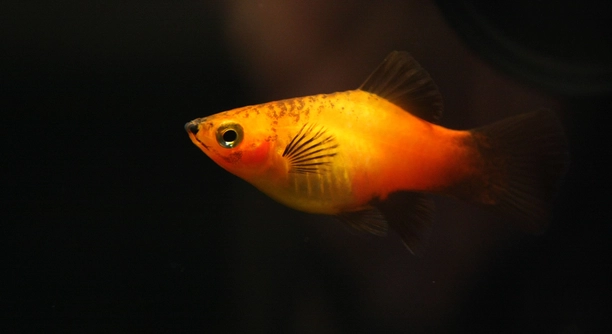
Platies are popular aquarium fish known for their bright colors. Sometimes, their colors fade or look dull. Understanding the reasons behind poor color can help keep your platies looking vibrant and healthy.
Poor color in platies is commonly caused by factors such as inadequate diet, poor water quality, stress, illness, genetics, aging, and insufficient lighting. Addressing these causes is essential to maintain their natural coloration and overall well-being.
Knowing these causes helps you create a better environment for your platies. This guide will explain the main reasons behind their color changes and how to improve them.
Inadequate Diet
Platies need a balanced diet to maintain their bright colors. When they don’t get the right nutrients, their colors can fade quickly. Feeding only flakes or low-quality food can cause dullness. Including a mix of live, frozen, and high-quality pellet foods provides essential vitamins and minerals. Foods rich in carotenoids, such as spirulina and bloodworms, boost red and orange hues. Overfeeding can also harm fish health and reduce their color intensity. A varied diet supports their immune system and overall vitality, helping them display their best colors consistently. Feeding small amounts several times a day mimics their natural eating habits and keeps them healthy.
A poor diet reduces the pigments in platies, causing their colors to lose vibrancy. A diet lacking in essential nutrients weakens their immune system, making them more prone to illness and stress.
Ensuring your platies get the right food improves their color and health. You can use specialized color-enhancing foods and occasionally add fresh vegetables like peas or spinach. Pay attention to feeding amounts and avoid overfeeding. A good diet is the foundation for keeping your platies bright and lively.
Poor Water Quality
Water quality has a direct effect on platies’ appearance. Dirty or unbalanced water causes stress and weakens their immune system, which leads to faded colors. High levels of ammonia, nitrites, or nitrates are harmful and can make fish sick. Regular water testing and changes help maintain a safe environment. Temperature fluctuations and incorrect pH can also stress platies, dulling their color. Clean, stable water conditions are necessary for their health and natural beauty. Using a reliable filter and avoiding overcrowding helps keep water clean.
Poor water quality stresses platies, making them lose their bright colors and become more vulnerable to diseases.
Regular maintenance, like weekly water changes of about 20%, helps keep toxins low. Avoid overcrowding the tank to reduce waste buildup and stress. Keeping the water temperature steady around 72-78°F and the pH between 6.8 and 8.0 supports their comfort. Using aquarium conditioners removes harmful chemicals from tap water. These efforts create a healthier habitat where platies can show off their best colors. Monitoring water parameters regularly allows you to react quickly if something goes wrong. Clean water promotes not only vibrant colors but also longer, happier lives for your fish.
Stress
Stress in platies can cause their colors to fade quickly. Common causes include sudden changes in environment, aggressive tank mates, and overcrowding. Stress weakens their immune system and reduces pigment production, making them look dull and unhealthy.
Stress triggers a hormone response that can reduce the brightness of platies’ colors. When fish feel threatened or uncomfortable, their bodies focus on survival instead of maintaining vibrant hues. Changes such as moving to a new tank, fluctuating water conditions, or being bullied by other fish increase stress levels. Overcrowding limits swimming space and increases competition for food, adding to their discomfort. Ensuring a calm environment with compatible tank mates and stable water parameters helps reduce stress and preserve their natural coloration.
Providing plenty of hiding spots and plants creates a sense of security for platies. Keeping the tank clean and stable supports their well-being. Watching for signs of stress and addressing problems early improves their color and overall health.
Illness and Parasites
Illnesses and parasites can cause poor color in platies by affecting their health directly. Infections, fungal growths, or parasites like ich interfere with pigment cells. Sick fish usually lose their bright colors as their body focuses on fighting the illness.
Common symptoms of illness include lethargy, loss of appetite, and visible spots or lesions. Parasites such as ich cause white spots and irritation, leading to color loss. Bacterial infections can cause redness or faded patches on the skin. Early detection and treatment are critical to prevent long-term damage. Quarantining new fish before adding them to the main tank reduces the risk of spreading diseases. Maintaining good water quality and a nutritious diet helps boost their immune system and prevent illness.
If you notice any unusual behavior or color changes, act quickly by isolating affected fish and using appropriate medication. Regular observation and tank maintenance reduce the chance of disease outbreaks. Healthy platies show bright, clear colors and active behavior, making prevention and care worthwhile.
Genetics
Platies inherit their colors from their parents. Some fish naturally have duller colors due to their genetic makeup. Selective breeding can enhance brightness, but genetics still limit how vibrant a platy can be.
Even with perfect care, some platies won’t reach intense colors if their genes don’t support it. Understanding genetics helps set realistic expectations for color development.
Aging
As platies grow older, their colors tend to fade. This natural process happens because pigment cells become less active with age. Older fish may look dull compared to younger ones.
Keeping older platies comfortable and healthy helps slow color loss, but it is a normal part of their life cycle.
Insufficient Lighting
Platies need proper lighting to show their true colors. Poor or inconsistent lighting can make their colors look faded. Bright, full-spectrum lighting enhances pigment visibility and supports their health.
FAQ
Why do my platies’ colors look dull even though I feed them well?
Good food is important, but it’s not the only factor. Poor water quality, stress, or illness can also cause dull colors. Make sure you test your water regularly and keep it clean. Check for signs of disease or aggressive tank mates that might be stressing your fish.
How often should I change the water to keep my platies colorful?
A weekly water change of about 20% is ideal for most tanks. This helps remove toxins and maintain stable water conditions. Frequent partial water changes prevent buildup of harmful substances and keep the environment comfortable for your platies.
Can lighting really affect my platies’ colors?
Yes, lighting plays a big role. Full-spectrum aquarium lights bring out the natural colors of platies. Insufficient or harsh lighting can make their colors fade. Aim for 8-10 hours of proper lighting each day, avoiding too much direct sunlight.
What foods improve platy coloration?
Foods high in carotenoids, such as spirulina, krill, and bloodworms, enhance red and orange colors. High-quality flakes or pellets with added color enhancers also help. A varied diet with occasional live or frozen foods boosts overall health and pigment.
Are some platy colors harder to maintain than others?
Yes, genetics influence color intensity and stability. Some strains have naturally bright colors that hold well, while others fade more easily. Understanding your platy’s genetic background sets realistic expectations for their color vibrancy.
How can I reduce stress in my platies?
Keep the tank stable with consistent temperature and water parameters. Avoid overcrowding and aggressive tank mates. Adding plants and hiding spots gives platies safe spaces to retreat. Regular maintenance and gentle feeding routines also lower stress levels.
Can illness cause color changes in platies?
Yes, many illnesses affect pigmentation. Parasites, bacterial infections, and fungal diseases can all cause faded or blotchy colors. Early detection and treatment are key. Quarantining new fish before adding them helps prevent disease spread.
What is the best way to quarantine new platies?
Set up a separate tank with clean, conditioned water. Observe new fish for at least two weeks before introducing them to the main tank. Look for signs of illness or parasites. Treat any issues immediately to protect your existing fish.
Why do older platies lose their color?
Aging causes pigment cells to become less active, leading to natural color fading. While you can support their health with good care, some dulling is normal as fish grow older.
How important is tank size for color maintenance?
Larger tanks with plenty of space reduce stress and improve water quality. Crowded conditions increase waste and stress, both of which harm color vibrancy. A spacious tank supports healthier, more colorful platies.
Can I use color-enhancing supplements for my platies?
Yes, supplements designed for aquarium fish can boost pigmentation. Use them as directed and combine with a balanced diet and good tank conditions. Supplements alone won’t fix other issues like poor water quality or stress.
What should I do if my platies’ color changes suddenly?
Check water parameters immediately and look for signs of illness or stress. Sudden color loss often signals a problem in their environment or health. Acting quickly can prevent further damage and help restore their colors.
Is it normal for platies to lose color after breeding?
Yes, some platies lose brightness after spawning. Breeding can be stressful and drain energy, causing temporary color dulling. With proper care, they usually regain their color over time.
How long does it take to see color improvement after fixing problems?
It depends on the issue but usually a few weeks of stable conditions, good diet, and reduced stress can restore some color. Patience and consistent care are important for lasting results.
Taking care of platies means paying attention to several important factors that affect their color. Their diet, water quality, and stress levels all play a big role in how bright and healthy they look. Providing a balanced diet with nutritious foods supports their natural colors, while keeping the water clean and stable helps reduce stress and illness. These steps are key to maintaining vibrant platies over time. It’s not just one thing but a combination of good care practices that make the difference.
It’s also important to remember that genetics and aging naturally affect platy colors. Some fish are born with brighter or duller colors based on their genes, and as they get older, their colors may fade even with perfect care. While it’s good to try and improve their environment, having realistic expectations about how colorful your fish can be is helpful. Keeping their habitat stable and healthy, avoiding overcrowding, and providing proper lighting can support the best color possible for each individual platy.
Taking time to observe your platies regularly allows you to notice changes early. If you see dull colors or unusual behavior, checking water parameters and looking for signs of illness can help you act quickly. Making small adjustments to their diet, tank setup, or companions often improves their well-being and color. Consistency in care is the best way to enjoy healthy, colorful platies in your aquarium for years to come.

Hello,
If you enjoy the content that we create, please consider saying a "Thank You!" by leaving a tip.
Every little bit helps us continue crafting quality advice that supports the health, happiness, and well-being of pets around the world, for pets of all shapes, sizes, and species.
We really appreciate the kindness and support that you show us!