
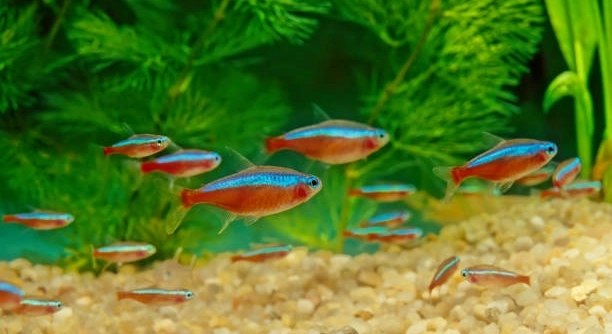
Are your tetra fish showing less interest in food lately? Many fish owners face this issue, which can be worrying. Appetite problems in tetras can signal several underlying causes that affect their health and well-being.
Poor appetite in tetra fish is often caused by a combination of environmental stressors, water quality issues, illness, improper diet, or tank conditions. Identifying the exact cause is crucial for restoring their normal eating habits and overall health.
Knowing what causes a tetra’s poor appetite helps you take the right steps to support your fish. The following information will guide you through common reasons behind this problem and how to manage them.
Stress in the Aquarium
Tetras are sensitive to their environment, and stress can quickly affect their appetite. Changes like moving the tank, loud noises, or aggressive tank mates often make them nervous. Stress weakens their immune system, making them less interested in food. Overcrowding is another cause; when too many fish live in one tank, competition for space and resources can become intense. Poor hiding spots also add to their discomfort. When tetras feel unsafe, they hide more and eat less. Monitoring the tank environment and keeping it calm helps reduce stress. Regular maintenance like cleaning the tank and maintaining proper water parameters creates a comfortable space for your fish. Adjusting the tank layout to include plants and hiding places can make a big difference. Recognizing signs of stress early helps prevent appetite loss and keeps tetras healthier.
Stress is a common reason for appetite loss in tetras, and addressing it improves their eating habits.
Creating a peaceful and stable tank environment will encourage your tetras to eat normally. Watch for sudden changes in behavior and act quickly to reduce stressors. A calm tank means happier fish with better appetites.
Water Quality Problems
Poor water quality is often a hidden cause of appetite issues in tetras. Ammonia, nitrites, and nitrates build up if the tank isn’t cleaned regularly. These toxins irritate fish and make them feel unwell. Sudden changes in temperature or pH can also upset their system, leading to reduced feeding. Testing water weekly is important to catch problems early. Using a filter and performing partial water changes keep the water clean and safe. Tetras thrive in stable conditions with temperatures around 72-78°F and a pH near 6.5-7.5. Avoid overfeeding as uneaten food pollutes the water. By maintaining proper water quality, you support your fish’s health and appetite.
Bad water quality directly impacts tetra appetite by causing discomfort and illness.
Keeping the water clean requires effort but protects your fish from toxins that stop them from eating. Testing and regular care ensure a healthy home for your tetras. You’ll see them regain interest in food once their environment improves.
Illness and Disease
Illness is a common reason tetras lose their appetite. Parasites, bacterial infections, or fungal growth can make them feel sick and weak. If you notice unusual swimming, spots, or faded colors, these could be signs of disease. Early detection is important to prevent the problem from worsening.
Diseases like ich, fin rot, and velvet often cause tetras to stop eating. Treating these requires specific medications and sometimes quarantine. Keeping the tank clean helps prevent illness. If you suspect disease, it’s best to act quickly with proper diagnosis and treatment. A healthy tetra eats well and stays active.
Regular observation is key to catching illnesses early. Quarantining new fish before adding them to the main tank reduces disease spread. Preventative care goes a long way in maintaining appetite and overall health.
Poor Diet
Feeding tetras an unbalanced or inappropriate diet can lead to poor appetite. Over-reliance on flakes or low-quality food often leaves them unsatisfied and less interested in eating. They need a varied diet including live or frozen foods to stay healthy.
Tetras benefit from small portions of bloodworms, brine shrimp, or daphnia alongside flakes or pellets. Feeding once or twice a day in moderate amounts prevents overfeeding and waste buildup. If their diet lacks nutrition or variety, tetras may refuse food or become lethargic. Changing feeding habits and food types can quickly restore their appetite. Providing fresh, nutrient-rich foods encourages them to eat regularly and promotes vibrant colors and energy.
Temperature Fluctuations
Tetras are sensitive to sudden changes in water temperature. If the tank gets too cold or too hot, their metabolism slows down or speeds up, causing appetite loss. Keeping the temperature stable is important for their feeding behavior.
Using a reliable heater and thermometer helps maintain the right temperature range. Avoid placing the tank near drafts or direct sunlight to prevent fluctuations.
Tank Size and Overcrowding
A tank that is too small or overcrowded can stress tetras, making them less likely to eat. Limited space leads to competition for food and hiding spots, affecting their appetite. Proper tank size and population control support healthy feeding habits.
Poor Lighting Conditions
Inadequate lighting can impact tetra activity and feeding. Too bright or too dim light may cause stress or inactivity, reducing their interest in food. Providing a balanced light cycle helps maintain their natural rhythm and appetite.
Old or Spoiled Food
Feeding old or spoiled food can deter tetras from eating. Fresh food encourages feeding, while stale or decomposed food can make them refuse meals and cause health issues. Always offer fresh, high-quality food for better appetite.
Why is my tetra not eating but still active?
When a tetra is active but refuses food, stress or minor water quality issues are often the cause. The fish may feel uncomfortable but not sick enough to stop moving. Check for sudden changes in water parameters or tank conditions. Sometimes, tetras need a break after being moved or when their environment is slightly off. Adjusting the tank temperature, improving water quality, and reducing stressors usually helps restore their appetite. Also, try offering varied, fresh foods to entice them to eat.
How long can tetras go without eating?
Tetras can survive several days without food, usually up to a week, depending on their age and health. However, going too long without eating weakens them and increases the risk of illness. It’s important to address appetite loss quickly to avoid malnutrition. If a tetra refuses food for more than three days, check water quality, tank conditions, and signs of illness. Feeding small amounts of nutritious food regularly supports their recovery and keeps them healthy.
Can tank mates cause my tetra to stop eating?
Yes, aggressive or overly active tank mates can stress tetras and make them stop eating. If tetras are bullied or outcompeted for food, they may hide or lose interest in feeding. Watch how fish interact during feeding times. Separating aggressive fish or creating more hiding spots can help. Feeding in multiple areas of the tank ensures all fish get access to food. Peaceful tank mates promote better feeding habits and reduce stress for tetras.
What type of food is best to improve a tetra’s appetite?
A varied diet works best to keep tetras interested in eating. High-quality flakes or pellets made for tropical fish provide essential nutrients. Supplementing with live or frozen foods like brine shrimp, daphnia, and bloodworms adds protein and variety. Fresh food smells and tastes better, encouraging appetite. Avoid overfeeding, as leftover food pollutes the tank and may reduce interest in eating. Feeding small portions twice a day usually works well.
How often should I feed my tetras?
Feeding tetras once or twice daily is enough. Overfeeding can lead to poor water quality and health problems. Give only what they can eat in two to three minutes. Remove any uneaten food promptly to keep the tank clean. A regular feeding schedule helps tetras maintain good appetite and health. Consistency makes feeding easier and less stressful for the fish.
Could water changes affect my tetra’s appetite?
Yes, sudden or large water changes can shock tetras and cause them to lose appetite temporarily. It’s best to do partial water changes regularly, around 20-30% weekly, rather than large, infrequent ones. Use water conditioners to remove chlorine and balance parameters before adding water. Keeping water conditions stable supports healthy feeding behavior. Observing how your tetras react after water changes helps you adjust your routine.
When should I consider medicating my tetra for appetite loss?
Medication is necessary if appetite loss is due to illness like parasites or bacterial infections. Signs include spots, frayed fins, unusual swimming, or lethargy. Before medicating, confirm the diagnosis by consulting a vet or experienced aquarist. Use aquarium-safe treatments and follow instructions carefully. Isolating sick fish in a quarantine tank during treatment reduces risk to others. Proper medication can restore appetite, but prevention through good care is always better.
Can poor lighting cause a loss of appetite in tetras?
Yes, improper lighting affects their natural behavior and appetite. Tetras need a regular day-night cycle to stay active and feed properly. Too bright lighting may stress them, while too dim light can reduce activity. Using a timer to maintain 8-12 hours of moderate light daily helps regulate their feeding patterns. Balanced lighting encourages normal appetite and overall well-being.
What role does tank decoration play in a tetra’s appetite?
Tank decorations like plants and hiding spots help tetras feel secure. When they have places to hide, stress levels decrease, encouraging them to eat regularly. Bare tanks or overcrowded spaces increase anxiety and reduce feeding. Using live or artificial plants and decorations creates a more natural environment. A well-decorated tank supports comfortable behavior and better appetite.
How can I tell if my tetra’s appetite loss is temporary or serious?
Temporary appetite loss often follows changes in environment, minor stress, or water fluctuations and usually lasts a day or two. Serious issues involve prolonged refusal to eat, physical symptoms like discoloration or spots, and abnormal behavior. Monitor your fish daily and test water parameters. If appetite loss continues beyond three days or other signs appear, investigate illness or tank problems immediately. Early action improves the chances of recovery.
When tetras lose their appetite, it is often a sign that something in their environment or health is not right. Understanding the common causes helps fish owners take better care of their pets. Factors such as stress, water quality, illness, and diet all play important roles in how well tetras eat. By paying attention to these areas, you can create a comfortable and healthy home for your fish. This prevents many problems and keeps them happy and active.
Keeping the aquarium clean and stable is one of the best ways to support a good appetite in tetras. Regular water testing and partial water changes keep harmful chemicals low. Proper temperature and lighting also contribute to a healthy environment. Feeding a balanced diet with fresh, varied food helps meet their nutritional needs and keeps them interested in eating. Avoiding overcrowding and aggressive tank mates reduces stress, which often leads to better feeding habits. Small changes can have a big impact on your fish’s health and appetite.
If your tetras stop eating for a longer time or show signs of illness, it’s important to act quickly. Observing their behavior and checking water conditions helps identify the problem. Sometimes medication or quarantine is needed to treat infections or parasites. Early care makes recovery easier and prevents the problem from spreading. Taking care of your fish in these ways supports their appetite and overall well-being. With patience and attention, you can help your tetras return to their normal eating habits and thrive in their tank.

Hello,
If you enjoy the content that we create, please consider saying a "Thank You!" by leaving a tip.
Every little bit helps us continue crafting quality advice that supports the health, happiness, and well-being of pets around the world, for pets of all shapes, sizes, and species.
We really appreciate the kindness and support that you show us!