
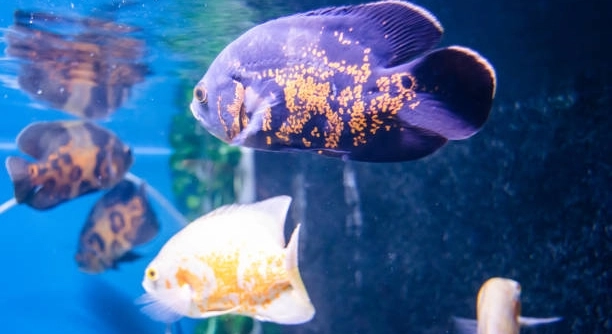
Oscar fish are known for their active swimming, but sometimes they may stop moving properly. If you notice this behavior, it can be frustrating, especially when you are trying to keep your fish healthy. Several factors might be affecting their movement.
The most common reasons for Oscar fish not swimming properly include water quality issues, poor diet, illness, injury, or stress. These factors can negatively impact their health, causing them to become lethargic or stop swimming altogether.
Taking a closer look at your fish’s environment and health can provide the key to resolving the issue. Understanding the causes will help you address the problem and ensure your Oscar fish remains active and happy.
Poor Water Quality
Water quality is one of the most important factors affecting the health of your Oscar fish. If your fish is not swimming properly, it could be a sign that the water is dirty or has poor chemical levels. Oscars are sensitive to changes in their environment, especially water temperature, pH, and ammonia levels. If the water is too warm, cold, or acidic, your fish may feel stressed and lethargic. Even if you don’t see any visible signs of poor water quality, small changes can have a significant impact on your fish’s behavior.
Regular water changes and proper filtration are key to keeping the water clean. It’s essential to monitor the water’s parameters using a test kit to ensure that ammonia, nitrites, and nitrates are at safe levels.
To maintain optimal conditions, perform water changes at least once a week and keep the aquarium filter running properly. Ensuring the water is free from contaminants will help your Oscar feel more comfortable and get back to swimming energetically.
Poor Diet
A poor diet can quickly affect your Oscar fish’s health and swimming habits. Oscars require a varied diet, rich in protein, to stay active. Without the right nutrients, they may become sluggish or inactive.
Feeding them only one type of food, like pellets, can lead to nutritional deficiencies. You should feed your Oscar fish a mix of live food, frozen options, and high-quality pellets. This ensures they get the right balance of vitamins and minerals. A healthy diet helps keep their energy levels up and supports their overall well-being.
Illness or Injury
If an Oscar fish suddenly stops swimming properly, illness or injury might be the cause. Oscars are prone to certain diseases, like swim bladder disorder, which can make it difficult for them to maintain buoyancy or swim normally. Additionally, injuries sustained from tank mates or objects in the tank can cause pain and prevent them from swimming well.
If you notice your Oscar struggling to swim or floating at an odd angle, it’s important to inspect them for any signs of injury or infection. Look for lesions, swelling, or odd marks on their body. Also, pay attention to any changes in behavior such as reduced appetite or erratic swimming patterns, as these could be signs of an illness.
Treatment for these issues will depend on the exact diagnosis. You may need to isolate the fish in a hospital tank and provide medication or special care. Addressing the root cause of illness or injury promptly can help your Oscar recover and resume normal activity.
Stress
Stress is another common reason why Oscar fish may not swim properly. Oscars are sensitive to their environment and changes like overcrowding, poor tank mates, or loud noises can cause them distress. If your Oscar feels threatened or uncomfortable, they may become inactive or hide in corners of the tank.
Stress affects their immune system and can make them more susceptible to diseases. To reduce stress, ensure your fish has plenty of space to swim, avoid sudden changes in the tank, and keep their environment calm and quiet. Adding hiding spots and plants can also help your Oscar feel more secure.
Once the stressors are removed and the environment is improved, your Oscar will likely feel safer and begin swimming around more actively.
Tank Size and Space
If the tank is too small for your Oscar, it can cause stress and affect its swimming behavior. Oscars are large fish and need enough space to swim freely. If they feel cramped, they can become sluggish or hide more often.
An aquarium for an Oscar should be at least 55 gallons for a single fish, with more space needed as they grow. A cramped tank leads to poor water quality and limits movement, which makes your Oscar more prone to stress. This lack of space can affect both their physical and mental health, leading to inactive behavior.
Providing a larger tank will allow your Oscar to swim around comfortably. It helps improve their mood, keeps the water quality better, and reduces stress. Plus, a bigger space ensures a more natural environment, giving your fish a better chance of thriving.
Temperature Issues
Temperature plays a huge role in how an Oscar fish behaves. If the water is too cold or too warm, your Oscar may not swim properly. They prefer water between 75°F and 80°F, and any drastic fluctuations can cause stress or illness.
Oscars are tropical fish and their natural habitat has a stable temperature. If the water is too cold, they become sluggish, and if it’s too warm, it could lead to oxygen deficiency. Maintaining a consistent temperature is crucial for their well-being. Using a reliable aquarium heater and thermometer can help keep the water at the perfect level.
Regularly checking the water temperature and avoiding sudden changes will prevent stress and help keep your Oscar active and healthy. Stable conditions also support their immune system and prevent health problems caused by temperature stress.
Inadequate Filtration
Poor filtration can lead to dirty water, which negatively impacts your Oscar’s health and swimming. If the filter is not powerful enough or clogged, toxins like ammonia and nitrites can build up quickly, leading to lethargy and poor swimming.
Regularly check and clean your filter to ensure it’s functioning well. A proper filter will keep the water clean and provide a more comfortable environment for your fish. You may need to upgrade to a more powerful filter if the current one isn’t sufficient for the size of your tank.
Overfeeding
Overfeeding can harm your Oscar’s health and affect its swimming ability. Leftover food creates waste, which can lead to poor water quality. Over time, this can cause digestive issues and sluggish behavior in your fish.
Feed your Oscar only what it can consume in a few minutes, and remove any leftover food after feeding. Stick to a regular feeding schedule and avoid overindulging your fish, as this can keep your Oscar active and healthy in the long term.
Tank Mates
Choosing the right tank mates for your Oscar is essential. Aggressive or overly active fish can stress your Oscar, leading to poor swimming behavior. It’s important to choose fish that are not too small, as your Oscar may view them as food.
Carefully monitor how your Oscar interacts with its tank mates. If you notice it becoming more inactive or hiding due to aggressive behavior from other fish, it might be time to separate them. Properly matching tank mates helps reduce stress and ensures a healthier environment for your Oscar.
FAQ
Why is my Oscar fish staying at the bottom of the tank?
Oscars may stay at the bottom of the tank if they are stressed, sick, or their water quality is poor. It’s important to check the water parameters such as pH, ammonia, and temperature. If everything seems fine, then the fish may be sick or suffering from an injury. Also, check if there are any aggressive tank mates or if the Oscar feels threatened in its environment.
How can I tell if my Oscar fish has swim bladder disease?
Swim bladder disease is characterized by your Oscar struggling to maintain its balance. If your fish is floating sideways, upside down, or struggling to swim properly, it may have this condition. It can be caused by constipation, infection, or even a poor diet. If you suspect swim bladder disease, a special diet and warm, clean water may help, but it’s often best to consult with a veterinarian for treatment.
What temperature should I keep the water for my Oscar fish?
Oscar fish thrive in warm water, typically between 75°F and 80°F. Temperatures that are too cold or fluctuate too much can stress your Oscar, leading to inactivity or illness. It’s crucial to use a reliable aquarium heater and thermometer to maintain stable water conditions. Keeping the temperature consistent will help your Oscar stay healthy and active.
How often should I change the water in my Oscar’s tank?
Water changes should be done regularly to keep the water quality in check. Ideally, you should change about 25-30% of the water once a week. If the tank is heavily stocked or the filtration system isn’t sufficient, you may need to change the water more frequently. Regular water changes help reduce toxins, such as ammonia and nitrates, and keep your Oscar happy.
What should I feed my Oscar fish to keep it healthy?
Oscar fish are carnivores, and they need a varied diet to stay healthy. A mix of high-quality pellets, live or frozen food like worms, shrimp, and small fish, will provide them with the necessary protein. Overfeeding can cause health problems, so stick to a feeding schedule and remove any leftover food to keep the water clean. A varied diet ensures that your Oscar gets all the nutrients it needs.
Can stress cause my Oscar to stop swimming?
Yes, stress can cause your Oscar to become lethargic and stop swimming. Stress can be triggered by factors like aggressive tank mates, sudden changes in water temperature, overcrowding, or even loud noises. If your Oscar is stressed, it may retreat to the bottom or hide in a corner. Ensuring a calm environment with appropriate tank mates and stable conditions will help reduce stress.
Is it normal for my Oscar to be inactive sometimes?
It’s normal for an Oscar to have periods of inactivity, especially when it’s sleeping or resting. However, if your Oscar is inactive for extended periods or has stopped swimming altogether, it could be a sign of illness or poor water conditions. Keep an eye on your fish for any signs of distress, such as bloating, discoloration, or unusual swimming patterns.
What should I do if my Oscar fish is injured?
If your Oscar is injured, it’s important to first remove it from the main tank to prevent further injury from tank mates. If the injury is minor, keep the fish in a hospital tank with clean water and monitor it closely. If the injury is more serious, you may need to consult a veterinarian who specializes in fish care for further treatment.
Can I keep multiple Oscar fish in the same tank?
It’s possible to keep multiple Oscar fish in the same tank, but they need plenty of space. Oscars are territorial and can become aggressive towards each other, especially if they feel crowded. A tank of at least 75 gallons is recommended if you plan to house more than one Oscar. Adding plenty of hiding spots and establishing territories can help reduce aggression and keep your Oscars from fighting.
Why is my Oscar fish scratching against rocks or objects?
When an Oscar scratches against objects or rocks in the tank, it’s usually a sign of irritation or infection. This behavior is often associated with external parasites like Ich or skin abrasions. Inspect your fish for any visible signs of white spots, lesions, or unusual marks on its body. If the scratching persists, you should consider adding a salt bath or medication to treat potential parasites. It’s always a good idea to consult a fish vet for proper diagnosis.
How can I improve the water quality in my Oscar tank?
Improving water quality in an Oscar tank starts with having a good filtration system. Make sure your filter is powerful enough to handle the size of your tank. Regular water changes are key, but also monitor the water parameters regularly using a test kit. Avoid overfeeding, as leftover food can pollute the water. Adding live plants can also help absorb excess nutrients, improving overall water quality and providing a more stable environment for your Oscar.
Why is my Oscar fish swimming erratically?
Erratic swimming can be a sign of illness, stress, or water quality issues. If your Oscar is darting around the tank, swimming in circles, or acting disoriented, it could be a sign of swim bladder disease, a parasite infection, or stress. Check the water parameters and inspect your fish for any signs of disease. If necessary, isolate the fish in a hospital tank and treat with medication.
Can I put an Oscar with other species of fish?
Oscar fish can be kept with other fish, but you need to choose tank mates carefully. Oscars are large, predatory fish that can be aggressive. It’s best to keep them with other large, robust species that can hold their own. Avoid keeping them with smaller fish, as Oscars may see them as prey. Additionally, always monitor their behavior to ensure peaceful interactions.
What should I do if my Oscar fish isn’t eating?
If your Oscar is refusing to eat, it could be due to stress, illness, or poor water quality. First, check the water parameters to ensure everything is in the proper range. Try offering different types of food to see if your Oscar prefers something else. If the refusal to eat continues, it’s best to consult a vet to rule out any health issues.
Final Thoughts
Caring for an Oscar fish requires attention to detail and a bit of patience. When your Oscar isn’t swimming properly, it’s important to first check the basics like water quality, temperature, and tank size. Many issues can be traced back to these factors, so making sure your Oscar’s environment is clean and stable is key. Once these factors are in check, it’s easier to identify if the problem is something more specific, like illness or injury. Regular maintenance of the tank, such as water changes and filter cleaning, goes a long way in preventing issues before they arise.
It’s also important to understand that Oscars, like all fish, have their own unique personalities and needs. Some periods of inactivity are perfectly normal, and your fish may just be resting. However, if you notice ongoing behavior changes, like a lack of appetite or erratic swimming, it could signal a deeper problem that needs addressing. It’s crucial to stay alert and be proactive when it comes to your Oscar’s health. The better you know your fish’s typical behavior, the quicker you’ll be able to spot when something isn’t right.
Ultimately, ensuring your Oscar has a proper diet, a comfortable tank size, and a peaceful environment will help them thrive. It’s all about balance, from the food you provide to the water they swim in. Regular observation and adjustments will not only fix the current issue but also prevent future ones. With time and care, your Oscar will be back to swimming happily, showing off its beauty and personality, which is the goal of any dedicated fish owner.

Hello,
If you enjoy the content that we create, please consider saying a "Thank You!" by leaving a tip.
Every little bit helps us continue crafting quality advice that supports the health, happiness, and well-being of pets around the world, for pets of all shapes, sizes, and species.
We really appreciate the kindness and support that you show us!