
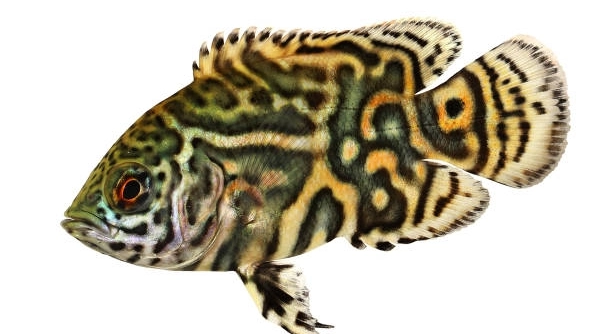
Is your Oscar fish suddenly breathing rapidly, leaving you unsure if something is wrong in their tank environment or health?
Rapid breathing in Oscar fish is most commonly caused by poor water quality, low oxygen levels, high ammonia or nitrite levels, stress, or illness. Identifying the source is crucial for proper treatment and care.
Understanding the key causes can help prevent future problems and keep your Oscar fish safe, healthy, and comfortable in their aquarium.
Poor Water Quality
Dirty or unbalanced water is one of the main causes of rapid breathing in Oscar fish. When ammonia, nitrites, or nitrates rise too high, it affects their gills and makes it harder for them to breathe. Oscars are messy eaters, and uneaten food or waste can quickly throw off the tank’s balance. If you don’t do regular water changes or check the parameters often, it’s easy for the environment to become stressful. This stress can lead to labored breathing. A clean tank with good filtration and steady water parameters helps your Oscar feel safe and stay healthy every day.
Unclean water puts constant pressure on your Oscar’s system, especially their gills, which work harder when the environment is off.
Using a good test kit regularly helps spot rising toxins early. Change 25% of the water weekly, remove waste, and avoid overfeeding. A strong filter system can also help prevent buildup.
Low Oxygen Levels
If your tank has low oxygen levels, your Oscar will start breathing quickly as it struggles to get enough air. This can happen when the water is too warm, there’s not enough surface movement, or too many fish are in the tank.
Oscar fish need oxygen-rich water to stay active and calm. Warm water holds less oxygen, so if the temperature rises above 80°F without added aeration, your fish may start gasping. A lack of surface agitation, such as from a missing bubbler or filter output, can also lower oxygen levels. If your Oscar seems to stay near the surface or near the filter output, it’s likely trying to find oxygen-rich areas. Adding an air stone or increasing surface movement through your filter will help. Also, avoid overcrowding the tank, as too many fish will compete for oxygen, making the water even harder to breathe in.
High Ammonia or Nitrite Levels
Even a small rise in ammonia or nitrites can stress your Oscar and lead to fast breathing. These substances build up from waste, uneaten food, or when a tank isn’t fully cycled or maintained properly.
Ammonia burns the gills, making it painful for your Oscar to breathe. You may notice them gasping, showing red gills, or acting restless. Nitrites stop oxygen from moving through their body, which also causes fast breathing. It’s important to test your water every few days, especially after adding new fish or changing filters. If you see any spike, do a large water change immediately, and use a detoxifier to help. Keep an eye on your filter too—if it’s not working well, it won’t break down waste efficiently.
Prevent these issues by not overfeeding, cleaning the substrate weekly, and ensuring your filter is properly cycled. Good tank habits will protect your Oscar long-term.
Stress from Environmental Changes
Oscars can get stressed easily when things in their tank change too quickly. A sudden shift in temperature, pH, or even rearranging decorations can make them feel unsafe and cause rapid breathing.
Stress affects fish much like it does people. It weakens their immune system, making them more likely to get sick. If your Oscar is breathing fast, check if anything changed recently—new tank mates, loud noises near the tank, or even just turning the lights on and off too quickly. These things may seem small but can make a big impact. To reduce stress, always introduce changes slowly. Acclimate them to new water conditions, keep lighting on a consistent schedule, and avoid placing their tank near constant activity or noise. A calm, stable environment helps them breathe easier and stay healthier overall. Watching their body language will also help you notice stress signs early.
Illness or Infection
When an Oscar fish is sick, it often breathes rapidly as its body tries to fight off the issue. Common illnesses like gill flukes, bacterial infections, or parasites can cause irritation and swelling in the gills.
Look for signs like clamped fins, scratching against surfaces, or loss of appetite.
Temperature Too High
Warm water speeds up a fish’s metabolism, making them use oxygen faster and breathe harder. If your tank is over 82°F, your Oscar may become stressed and uncomfortable.
Keep the temperature between 74–78°F using a reliable heater and thermometer to avoid overheating.
Aggression from Tank Mates
Aggressive tank mates can cause your Oscar to feel threatened and breathe quickly due to stress. Oscars prefer calm environments without constant chasing or fighting.
Remove overly aggressive fish and avoid keeping Oscars with incompatible species. Keeping the tank peaceful is key to your Oscar’s comfort.
FAQ
Why is my Oscar fish breathing fast but still eating and swimming normally?
Rapid breathing with normal behavior may mean something is slightly off in the tank, like low oxygen levels or a minor spike in ammonia. Even if your Oscar still eats and swims fine, fast breathing is usually an early sign that something in the environment needs attention. Check your water parameters first—look at ammonia, nitrite, nitrate, and temperature. If anything seems off, fix it quickly to prevent it from getting worse. Add surface agitation or an airstone if oxygen levels seem low. Catching small changes early helps avoid bigger problems later.
Can dirty water cause my Oscar to breathe fast?
Yes, dirty water is one of the most common causes of fast breathing in Oscars. Waste buildup from uneaten food, fish poop, or poor filtration can lead to high ammonia or nitrite levels. These toxins burn the gills and force your Oscar to breathe faster. You might not always see cloudy water, but even clear tanks can have unsafe conditions. Regular water tests and weekly partial water changes help maintain a healthy environment. Keep your filter in good shape and vacuum the substrate often to remove hidden debris that can throw off your tank’s balance.
How can I check if oxygen levels are too low?
Look for behavior like gasping at the surface, hanging near the filter output, or breathing heavily. These signs often point to low oxygen levels. You can also use an oxygen test kit to check the water directly. Warm water holds less oxygen, so if the tank is too warm, adding more surface movement with a bubbler, sponge filter, or directing your filter output toward the water surface can help. Make sure the tank isn’t overcrowded, and avoid overfeeding, which can increase waste and lower oxygen over time.
Do Oscar fish need an air pump?
Not always, but in many setups, an air pump helps a lot. If your filter provides good surface movement, it may be enough. But in warmer tanks, or if you notice signs of fast breathing, an air pump with an airstone can boost oxygen and reduce stress. It’s a simple way to make sure your Oscar is breathing comfortably, especially in larger tanks or during summer when water temperature tends to rise. It’s also useful in tanks with fewer live plants or slower water flow.
Can gill flukes cause my Oscar to breathe rapidly?
Yes, gill flukes are parasites that attach to the gills and make it hard for fish to breathe. Your Oscar may scratch against objects, show inflamed or red gills, and breathe fast. This condition can get worse without treatment. If you suspect gill flukes, you’ll need to use an antiparasitic treatment that’s safe for your tank setup. Follow dosing instructions carefully and monitor the water quality closely during treatment. It’s also a good idea to isolate the fish if possible, especially if others in the tank show similar symptoms.
Is rapid breathing always a sign of illness?
Not always. Sometimes it’s caused by stress, poor water quality, or temperature changes. But it’s still important to act when you see it. Rapid breathing is often one of the first visible signs that something’s not right. Even if your Oscar looks okay otherwise, take it seriously and check everything—water parameters, tank mates, filter, and recent changes. Acting early can prevent more serious health problems. Illness usually brings more symptoms, like color fading, clamped fins, or sluggish movement, so keep an eye out for those too.
Final Thoughts
Rapid breathing in Oscar fish is usually a sign that something in their environment needs attention. While it might seem small at first, it’s often the first clue that the tank conditions are not right. Things like dirty water, low oxygen, high ammonia, or sudden changes can quickly affect your Oscar’s health. Watching your fish closely and learning their normal behavior helps you notice when something is off. If your Oscar is breathing fast, it’s best to check everything in the tank before the problem gets worse. Acting early is the best way to keep them safe and comfortable.
Keeping an Oscar fish healthy is not just about feeding them and cleaning the tank now and then. It takes steady care and attention to detail. Water testing, regular maintenance, proper equipment, and peaceful tank mates all play a role in keeping your fish calm and breathing normally. Even small changes, like the temperature rising too high or a new fish being added, can bring stress. Making changes slowly and keeping a stable environment will help your Oscar feel secure. Try not to overlook signs like fast breathing, even if they seem fine otherwise. It’s often better to check and be sure than to wait and risk your fish becoming sick.
Oscar fish are smart and sensitive, and they rely on you to create a space where they can thrive. When you take the time to learn their needs and understand their behavior, it becomes easier to catch issues early. Fast breathing isn’t something to panic about, but it should always be taken seriously. With a bit of care, regular checks, and good tank habits, most issues that cause rapid breathing can be fixed or even avoided. Remember, small actions—like a weekly water change or adding surface movement—can make a big difference in your Oscar’s comfort. Paying attention now helps your Oscar stay strong, active, and happy in the long run.

Hello,
If you enjoy the content that we create, please consider saying a "Thank You!" by leaving a tip.
Every little bit helps us continue crafting quality advice that supports the health, happiness, and well-being of pets around the world, for pets of all shapes, sizes, and species.
We really appreciate the kindness and support that you show us!