
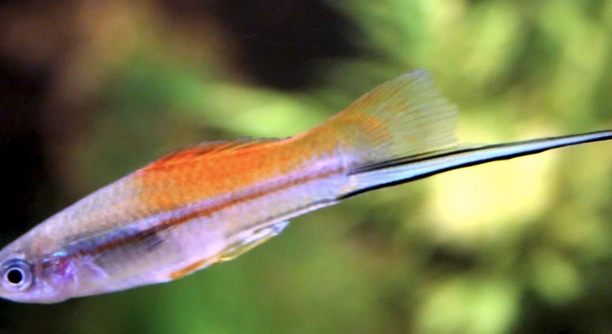
Are your swordtail fry mysteriously disappearing overnight, leaving your tank looking a little emptier than expected?
The most common reason swordtail fry go missing overnight is predation. Adult fish, especially in community tanks, often eat the fry if they are not separated or given hiding spaces.
Understanding the main causes can help prevent future losses and keep your fry safe through the night.
1. Adult Fish Predation
One of the most common reasons swordtail fry go missing is because adult fish in the tank may eat them. Even peaceful fish can see small fry as food. Swordtails are livebearers, and while they give birth to free-swimming fry, they don’t care for them afterward. In fact, they may eat their own young. In community tanks, other species may also snack on them, especially at night when it’s harder for fry to hide. Without proper hiding spots or separation, the fry are highly vulnerable during the first few days after birth. It’s essential to plan ahead if you want to raise healthy fry. A breeding box or a separate nursery tank can significantly improve their survival rate. Plants and decorations can also help, but they don’t guarantee full protection from hungry tank mates.
Fry often stay near the top or bottom of the tank, where they are easy targets for hungry adults.
If you want to increase fry survival, consider setting up a separate tank with soft filtration, gentle lighting, and plenty of live plants. This helps reduce stress and keeps fry from being seen as food. Make sure any adult fish are removed before or right after birth to avoid losses.
2. Lack of Hiding Places
Fry without shelter are much more likely to be eaten or get lost in the tank overnight.
A tank with few plants, decorations, or hiding areas puts your fry at risk. These small fish need cover to avoid predators, especially right after they are born. Floating plants, dense stem plants, or even plastic decor with narrow gaps can give them safe places to rest and stay hidden. Fry tend to stay still when threatened, so having places to blend in is important. Hiding places also help lower their stress levels, which can improve their chances of surviving and growing. If your tank looks too open or bare, it may be the reason fry keep disappearing. Live plants such as Java moss, guppy grass, or hornwort can be great additions, offering dense cover where fry can slip into and stay safe. Creating layers of shelter at different levels in the tank helps protect them from all sides, especially when lights are off.
3. Poor Lighting Conditions
Low or inconsistent lighting can make it easier for fry to be eaten. When the tank is too dark at night, fry become harder to see and can wander into dangerous areas or closer to adult fish.
Fry rely on light cues to stay in safe zones, especially in the first few hours after birth. When lights suddenly switch off, they may panic and move unpredictably, putting them in danger. A gradual dimming of lights or using a night light helps fry adjust and stay hidden. Keeping consistent light cycles also reduces stress in the tank overall. Bright areas can be balanced with darker spots filled with plants or decor. This way, fry have the option to move based on their comfort and safety. Avoid turning off the light too suddenly, especially if you’ve just had a new batch of fry.
Even though swordtail fry are small, they are active and curious. Without light guidance, they may swim into open spaces or explore areas close to larger fish. Timed lighting or a dim night light can help keep things stable in the tank. It creates a routine that keeps all fish calmer. Make sure your lighting system doesn’t flicker or create sudden shifts, which can trigger stressful reactions.
4. Strong Filtration
Strong filters can easily suck up newborn fry, especially if they swim too close to the intake. Their small size makes them vulnerable to getting trapped or pulled in while trying to explore or feed.
Standard tank filters, especially hang-on-back or canister types, often have strong suction that fry can’t handle. Even sponge-covered intakes may not be enough if the water flow is high. Fry can be pulled toward the intake and either stuck there or swept into the filter, where they might not survive. If your filter is too powerful, it can also cause strong currents that stress the fry and push them into unsafe areas. To help protect them, consider using a sponge filter or adding a pre-filter sponge over the intake. These provide gentler water flow and prevent small fish from getting sucked in. It also improves oxygenation without harming your fry.
Besides physical suction, strong filtration also increases water turbulence, which can make it hard for fry to rest. They end up using too much energy trying to stay in one place. This makes them weaker and less able to avoid danger. A calm water surface and low-flow zones give fry places to recover, eat, and hide without being pushed around.
5. Stress From Tank Mates
Aggressive or overly active tank mates can stress out the fry. Constant chasing or sudden movements from other fish force fry to hide more and eat less, weakening them over time.
Even non-aggressive fish can cause stress if they’re too active or crowd the fry’s space. This makes it harder for fry to stay safe.
6. Unstable Water Parameters
Fry are much more sensitive to changes in water conditions than adult fish. A sudden shift in temperature, pH, or ammonia levels can affect their health quickly. If water is too cold or polluted, fry may become lethargic and easier for other fish to target. Poor water quality also affects their ability to absorb nutrients and grow properly. To avoid this, check your tank parameters regularly. Keep water changes gentle and avoid cleaning too much at once. Stable, clean water keeps fry strong and gives them a better chance at survival. Adding live plants can also help balance the environment naturally.
7. Hidden Deaths
Sometimes, fry die from natural causes and are eaten by other fish before you even notice they’re gone.
FAQ
Why are my swordtail fry disappearing overnight?
Swordtail fry are very small and vulnerable, especially in a tank with adult fish. The most common reason they disappear overnight is predation by adult swordtails or other fish in the tank. Even peaceful species may see fry as food. Without proper hiding spots or separation, the fry can easily be eaten while they sleep or wander around at night. Setting up a breeding box, or creating hiding places using plants or decorations, can give the fry a safer environment to grow. Another possibility is that the fry could be dying from stress, water quality issues, or other hidden factors.
What can I do to prevent my swordtail fry from being eaten?
To prevent your swordtail fry from being eaten, consider using a breeding box or separate nursery tank to keep the fry safe from adult fish. Adding dense plants or decorations in the main tank gives the fry places to hide. Live plants such as Java moss or floating plants create small, safe spaces where fry can seek refuge. You can also separate adult swordtails from fry right after birth to ensure the adults don’t eat them. Keeping tank mates that are less likely to harm the fry can also make a big difference.
Can swordtail fry survive with other fish in the tank?
Swordtail fry can survive with other fish in the tank if the other fish are peaceful and won’t try to eat them. However, many fish are opportunistic feeders and may see small fry as an easy meal. If you want to keep fry in a community tank, it’s best to ensure that the other fish aren’t aggressive and can coexist without preying on the fry. If necessary, place the fry in a breeding box or separate area until they grow large enough to stay safe among the other fish. Ensuring there are plenty of hiding spots in the tank will also increase the fry’s chances of survival.
How long does it take for swordtail fry to grow big enough to avoid being eaten?
Swordtail fry grow quickly compared to some other species. Typically, they will be large enough to avoid being eaten in about 2 to 3 weeks. During this time, they will increase in size, become more independent, and gain the ability to swim and hide more effectively. However, the exact growth rate depends on water conditions, temperature, and food availability. Ensuring good water quality, a consistent temperature, and a nutritious diet will help the fry grow faster. As they mature, they will be able to blend in with adult fish and are less likely to be seen as prey.
How can I tell if my swordtail fry are dying?
Swordtail fry can die from a variety of reasons, including poor water quality, stress, and improper nutrition. Some signs that your fry may be dying include sluggishness, lack of movement, or floating at the surface. If they appear pale or discolored, they may be suffering from poor water quality or disease. Fry may also become weak and unable to swim properly if they’re not getting enough food or oxygen. To help prevent this, ensure your water parameters are stable, maintain clean water, and provide the fry with appropriate food. Remove any dead fry promptly to avoid contamination.
What should I feed swordtail fry?
Swordtail fry need fine, high-quality foods that they can easily eat. Infusoria, micro worms, and crushed flakes are good options. You can also feed them baby brine shrimp or daphnia once they’re big enough. It’s important to feed the fry multiple times a day in small amounts, as they have small stomachs and need frequent meals to grow properly. Overfeeding can cause water quality issues, so remove any uneaten food after a few minutes. You can also supplement their diet with live foods to help promote faster growth and better health.
Can I raise swordtail fry in the same tank as adult swordtails?
Raising swordtail fry in the same tank as adults is possible, but it’s not always ideal. Adult swordtails may eat the fry if they aren’t provided with a separate space or plenty of hiding spots. If you decide to keep them in the same tank, it’s essential to have plants or other decorations that can provide the fry with places to hide. A breeding box is also an excellent solution, as it keeps the fry separated while allowing them to grow in the same tank. As the fry grow larger, they will be less likely to be eaten.
Is it normal for some swordtail fry to disappear without a trace?
Yes, it’s normal for some swordtail fry to disappear, especially if the tank isn’t properly set up to protect them. Fry often hide in the substrate, behind decorations, or within plants. It’s also possible that they’ve been eaten by other fish, especially if there are larger species in the tank. Sometimes, fry die from natural causes such as poor water quality or stress and are consumed before they can be noticed. Keeping a close eye on your tank and making sure the environment is safe for the fry will reduce the likelihood of them disappearing.
How often should I check on my swordtail fry?
Checking on your swordtail fry frequently during the first few weeks is important, as this is when they are most vulnerable. During this period, it’s crucial to monitor their growth, check for signs of disease, and ensure the tank conditions are stable. You should check the fry at least once a day, especially to make sure they are eating properly and not showing signs of distress. Regular checks also help ensure that the tank mates aren’t bothering the fry and that there are no issues with water quality.
Final Thoughts
Caring for swordtail fry can be a rewarding experience, but it does require attention and patience. From their birth to when they’re large enough to blend in with adult fish, fry face many challenges, such as predation, poor water conditions, and stress from tank mates. By understanding these common problems and taking steps to protect the fry, you can significantly increase their chances of survival. A breeding box, proper hiding spots, and a calm, stable tank environment all play important roles in keeping your fry safe.
It’s also important to be mindful of the tank setup. Strong filtration, inadequate lighting, and lack of hiding spaces can make it harder for the fry to thrive. Fry are small and fragile, so creating an environment that meets their needs is key. Proper water quality, consistent lighting, and gentle filtration are all essential for healthy fry. Adding plants and decorations will not only give fry a safe place to hide but also enhance the overall health of your tank, promoting a more natural and secure habitat for your fish. Make sure to monitor the water parameters regularly and avoid sudden changes to keep the environment stable.
Ultimately, raising swordtail fry is about finding the right balance between protecting them from potential dangers and allowing them to grow naturally. Keeping adult fish separate from fry immediately after birth, ensuring the fry have places to hide, and controlling water quality will give your fry the best chance to survive and grow into healthy adult swordtails. While it may take a bit of extra care and planning, the result is a thriving tank with swordtail fry that can grow into vibrant, colorful fish. With attention to detail and patience, you can ensure the safety and well-being of your swordtail fry.

Hello,
If you enjoy the content that we create, please consider saying a "Thank You!" by leaving a tip.
Every little bit helps us continue crafting quality advice that supports the health, happiness, and well-being of pets around the world, for pets of all shapes, sizes, and species.
We really appreciate the kindness and support that you show us!