
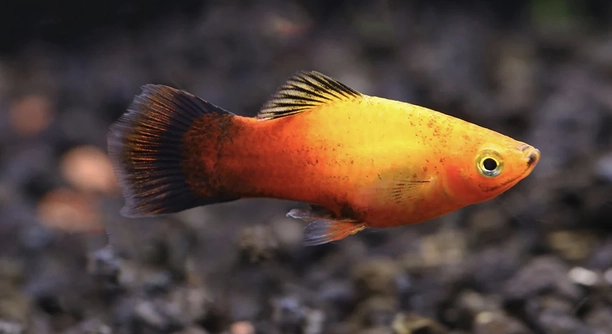
Loss of appetite in platies can be worrying for fish owners who want their pets healthy and active. When these colorful fish stop eating, it often signals an underlying problem that needs attention. Understanding the reasons can help improve their well-being.
Loss of appetite in platies is commonly caused by poor water quality, infections, stress, improper diet, sudden environmental changes, overcrowding, and parasite infestations. These factors interfere with their natural feeding behavior and overall health.
Knowing these causes is important to keep your platies thriving. Addressing the root issues can restore their appetite and vitality.
Poor Water Quality
Poor water quality is one of the main reasons platies lose their appetite. When the water has high levels of ammonia, nitrites, or nitrates, it creates a harmful environment for the fish. Dirty or unfiltered water stresses the platies and can cause illnesses, making them less interested in eating. Keeping the tank clean and regularly testing water parameters is essential to maintain a healthy habitat. Proper filtration and partial water changes help keep harmful chemicals low and oxygen levels high. If the water conditions worsen, platies may become lethargic and stop eating altogether, which affects their overall health.
Regularly checking your aquarium water ensures a safe environment for your platies. Simple steps like cleaning filters and changing water can prevent appetite loss.
Water quality issues may develop slowly, so it’s important to observe your platies often. If you notice they are hiding or not swimming actively, test the water immediately. Maintaining stable temperature and pH also supports their comfort. By controlling these factors, your platies are more likely to stay healthy and enjoy their food regularly.
Infections
Infections can cause platies to lose their appetite quickly. These may be bacterial, fungal, or parasitic and can affect the fish’s organs or skin. Infected platies often show signs such as white spots, redness, or unusual swimming behavior. Early detection is key to treating infections before they worsen. Providing medication as recommended for specific infections can help restore their health and appetite.
When a platy shows signs of infection, prompt treatment is necessary to avoid serious health decline.
Treating infections requires identifying the type and severity of the illness. Quarantining the sick fish helps prevent spreading to others. Maintaining excellent water quality supports their immune system and speeds recovery. Diet can also play a role; offering nutritious and easy-to-digest food encourages platies to eat during recovery. Consulting a vet or aquarium specialist may be needed if symptoms persist or worsen. Keeping the tank clean and avoiding overcrowding lowers the risk of infections developing in the first place.
Stress
Stress can cause platies to stop eating. Changes in their environment or aggressive tank mates often lead to stress, affecting their appetite.
Stress in platies results from factors like sudden changes in water temperature, poor tank conditions, or overcrowding. If a platy feels threatened by other fish, it may hide or swim less, avoiding food. Stress weakens their immune system, making them more prone to illness. Providing hiding places and maintaining stable conditions helps reduce stress and encourages normal eating behavior.
Monitoring fish interactions is important. If aggression is high, separating aggressive fish or rearranging the tank can create a calmer space. Regular tank maintenance also keeps the environment stable, preventing sudden changes that upset platies. When stress is managed, their appetite usually returns quickly.
Improper Diet
Feeding platies the wrong food can cause loss of appetite. A diet lacking variety or essential nutrients affects their willingness to eat.
Platies need a balanced diet with proteins, vegetables, and occasional treats. Feeding only flakes or one type of food can cause boredom or nutritional deficiencies. Fresh, high-quality food improves their health and appetite. Overfeeding can also lead to poor water quality, worsening appetite loss. Introducing new foods gradually helps platies adjust and stay interested in meals.
Changing up their diet by adding frozen or live foods, such as brine shrimp or daphnia, can boost their nutrition and stimulate feeding. Avoid giving too much at once, and remove uneaten food to keep the tank clean. A well-rounded diet supports growth, color, and energy in platies.
Sudden Environmental Changes
Sudden changes in water temperature or lighting can shock platies and cause them to stop eating. These changes disrupt their comfort and natural rhythms.
Keeping a consistent environment helps platies feel safe and maintain normal eating habits. Gradual adjustments are better than sudden ones.
Overcrowding
Too many fish in one tank creates stress and competition for food. Overcrowding lowers water quality, which also affects appetite.
Overcrowding can lead to aggression and poor health among platies. Each fish needs enough space to swim freely and access food without stress. Regularly monitoring tank population and upgrading tank size when needed can prevent these issues. A balanced number of fish supports a healthy and calm environment where platies will eat well and grow strong.
Parasite Infestations
Parasites cause discomfort and illness in platies, often leading to appetite loss. These tiny invaders irritate the fish’s skin or organs.
What should I do if my platy stops eating suddenly?
If your platy stops eating suddenly, first check the water quality. Poor water conditions are a common cause of appetite loss. Test for ammonia, nitrites, nitrates, and pH levels, and perform a partial water change if needed. Also, observe the fish for signs of stress, illness, or injury. Look for unusual behavior like hiding or gasping at the surface. Adjust the tank environment to keep it stable and calm. If you suspect an infection or parasite, consider isolating the fish and using appropriate treatment. Offering a variety of fresh, high-quality food can help encourage eating again. Patience is key, as recovery may take a few days.
How often should I test the water for my platies?
Water testing should be done at least once a week in a community tank with platies. Frequent testing helps catch problems before they affect your fish’s appetite or health. If you have a new tank or a sick fish, test more often. Regular water changes combined with testing maintain good water quality. Keeping the tank clean and balanced ensures your platies stay healthy and interested in food.
Can stress really cause my platy to stop eating?
Yes, stress is a major factor that can make platies lose their appetite. Changes like new tank mates, sudden temperature shifts, or overcrowding create stress. When stressed, platies may hide or swim less and refuse food. Reducing stress by providing hiding places, keeping tank conditions stable, and avoiding aggressive fish helps bring their appetite back. Watching your platies closely can help you spot stress early.
What foods are best to feed platies to keep them healthy?
Platies need a balanced diet that includes high-quality flakes or pellets formulated for tropical fish. Adding live or frozen foods like brine shrimp, daphnia, or bloodworms offers extra protein and variety. Vegetables like blanched spinach or zucchini can also be included. Feeding small amounts two to three times daily helps prevent overfeeding. A varied diet supports growth, color, and overall health, encouraging regular eating habits.
How do I know if my platy has parasites?
Parasites can cause visible signs like white spots, flashing (scratching against objects), or clamped fins. Your platy may become lethargic and lose appetite. In severe cases, weight loss and difficulty swimming appear. If you notice these symptoms, test the water and consider treating the tank or isolating the affected fish. Early action improves chances of recovery.
Can overcrowding affect my platy’s appetite?
Overcrowding leads to stress and competition for food, which often reduces appetite. Too many fish also lower water quality, increasing toxin levels harmful to platies. Ensuring enough space per fish and limiting the tank population helps maintain a calm environment. Regular tank maintenance and water changes support healthy conditions, encouraging your platies to eat well.
Is it normal for platies to sometimes skip meals?
Platies may occasionally skip meals due to minor stress or changes in their environment. This is usually not a concern if they resume eating soon after. However, prolonged refusal to eat could indicate health issues or poor water quality. Monitoring their behavior and tank conditions will help you catch problems early.
Can improper diet cause appetite loss in platies?
Yes, feeding platies an unbalanced or repetitive diet can lead to boredom and nutritional deficiencies, causing them to eat less. Providing a variety of foods rich in proteins, vitamins, and fiber keeps them interested and healthy. Avoid overfeeding to prevent water quality problems that may affect appetite.
How do I safely treat infections in my platies?
Treat infections by identifying the type—bacterial, fungal, or parasitic—and using the appropriate medication available at pet stores or prescribed by an expert. Isolate sick fish to prevent spreading illness. Maintain excellent water quality and provide a nutritious diet during treatment. Follow instructions carefully and monitor the fish’s response.
What changes in the environment should I avoid to prevent appetite loss?
Avoid sudden temperature shifts, drastic lighting changes, and introducing aggressive or incompatible fish without proper acclimation. Stable water parameters and a peaceful tank community support normal feeding behavior. Gradual adjustments help platies adapt without stress or appetite loss.
Loss of appetite in platies can be caused by many different factors. It is important to understand these causes to help your fish stay healthy. Poor water quality, stress, infections, and diet all affect how much your platy wants to eat. By paying attention to their environment and habits, you can catch problems early. This can prevent bigger health issues and keep your fish happy and active.
Maintaining good water quality is one of the easiest ways to prevent loss of appetite. Regular water testing and cleaning help create a safe home for platies. Avoid sudden changes in temperature or lighting to reduce stress. Overcrowding can also cause problems, so make sure the tank is not too full. Giving your platies a balanced diet with variety keeps them interested in food and supports their health. If infections or parasites appear, treating them quickly is important to help your fish recover.
Watching your platies closely every day helps you notice if they stop eating or behave differently. Early detection of problems gives you a better chance to fix them. Keeping a calm and clean tank with good food and space makes a big difference. When platies are comfortable and well cared for, they are more likely to eat regularly and grow strong. Taking simple steps to maintain their environment will help your fish live longer and stay healthy.

Hello,
If you enjoy the content that we create, please consider saying a "Thank You!" by leaving a tip.
Every little bit helps us continue crafting quality advice that supports the health, happiness, and well-being of pets around the world, for pets of all shapes, sizes, and species.
We really appreciate the kindness and support that you show us!