
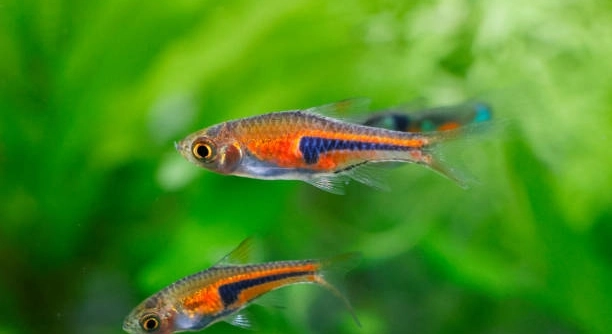
Lethargy in rasboras often signals underlying problems that affect their comfort and survival. Recognizing early signs helps aquarists respond calmly, protect tank stability, and support consistent activity levels within community aquariums over time safely together.
Rasbora lethargy most commonly results from water quality imbalance, temperature stress, nutritional deficiencies, social stress, disease, inadequate oxygenation, or chronic light disruption. These factors impair metabolism, suppress immune responses, and reduce normal swimming behavior when exposure persists over time consistently.
Each cause carries distinct signs and solutions, and understanding them helps restore vitality while improving long-term care practices for aquarists.
Poor Water Quality
Poor water quality is one of the most common reasons rasboras become inactive. I have noticed that even small changes in ammonia, nitrite, or nitrate levels can affect their behavior quickly. These fish rely on stable, clean water to maintain proper gill function and energy levels. When waste builds up, oxygen exchange becomes less efficient, leading to slower movement and reduced feeding. Cloudy water, excess algae, and neglected filter maintenance often contribute to this issue. Overfeeding also plays a role, as leftover food breaks down and pollutes the tank. Regular testing, consistent water changes, and gentle substrate cleaning help prevent these conditions. A stable environment allows rasboras to swim freely, school naturally, and remain alert throughout the day. Without routine care, stress increases gradually, making recovery slower and increasing the risk of long-term health decline within otherwise peaceful community aquariums for sensitive schooling fish like rasboras kept indoors year-round tanks.
I personally check water parameters weekly because early correction prevents bigger problems. Simple habits create consistency, which rasboras depend on for normal activity, appetite, and social behavior in shared tanks. This approach has helped me avoid sudden lethargy and maintain stable conditions over long periods with minimal stress overall levels.
Consistent water care supports immune strength and reduces hidden stress. Rasboras show improvement through tighter schooling and steadier swimming. Clear water also improves light penetration, supporting plant balance and oxygen levels. These combined effects create a tank where fish remain active and predictable. When conditions stay stable, rasboras conserve energy instead of struggling to adapt. This stability forms the base for addressing other health concerns before they escalate. I have learned that patience and routine matter more than quick fixes when caring for sensitive species in home aquariums where balance supports long-term fish wellbeing and calm daily observation habits too.
Temperature Stress in Rasboras
Temperature stress often causes rasboras to slow down noticeably. Sudden drops or prolonged heat interfere with metabolism, leading to fatigue and poor feeding. Even gradual changes can cause discomfort if they fall outside the species preferred range. I have seen this happen during seasonal room temperature shifts indoors unexpectedly often.
Rasboras thrive in stable tropical temperatures, and consistency matters more than hitting an exact number. When heaters malfunction or tanks sit near windows, water temperature can fluctuate throughout the day. This constant adjustment forces fish to redirect energy toward basic survival rather than normal activity. I learned early that inexpensive heaters without thermostats often create these problems. Using a reliable adjustable heater and placing a thermometer where it is easy to read helps prevent unnoticed shifts. Temperature stress also weakens immune defenses, making fish more vulnerable to infections. Lethargy may appear alongside clamped fins or reduced schooling. Gradual corrections are essential, as rapid changes add further strain. Maintaining a steady range supports digestion, movement, and oxygen use. When temperature is controlled properly, rasboras regain steady swimming patterns and respond better to feeding routines. This stability allows other care improvements to work effectively. I now monitor heaters regularly and avoid placing tanks near drafts. These small choices reduce stress and create predictable conditions. Over time, consistent temperature management leads to healthier behavior, stronger appetites, and fewer unexplained setbacks which has made daily care feel calmer and more rewarding for me overall while improving long-term tank stability and fish comfort levels consistently.
Inadequate Nutrition
Inadequate nutrition directly affects rasbora energy levels and behavior. Diets lacking variety or essential nutrients often lead to slow movement, fading color, and weak feeding responses. I have seen lethargy appear after long periods of repetitive feeding routines. This pattern is easy to overlook during daily maintenance habits over time.
Rasboras require a balanced diet that includes quality flakes, micro pellets, and occasional frozen or live foods. Protein supports muscle activity, while plant matter aids digestion. When fish receive only one food type, deficiencies develop slowly. I learned that overfeeding low quality food can worsen the problem. Excess fillers reduce nutritional intake and pollute the tank. Feeding small portions twice daily encourages steady energy without waste. Rotating foods throughout the week provides trace nutrients that support immune health, coloration, and consistent swimming behavior in active schooling species kept in home aquariums long term care practices matter greatly overall balance stability.
Signs of poor nutrition often appear gradually, making them easy to miss. Rasboras may hover near the bottom, ignore food, or separate from the group. I now watch feeding behavior closely instead of assuming all fish eat equally. Uneven intake creates silent weakness. Correcting diet takes patience, as improvement is not immediate. Consistent variety over several weeks restores stamina and interest in schooling. Proper nutrition also supports resistance to disease, helping rasboras recover faster when other stress factors arise in the tank and disrupt normal activity patterns over time without clear warning signs appearing early stages often observed by keepers.
Social Stress and Tank Mates
Social stress impacts rasboras more than many keepers realize. These fish rely on group structure for security. Small group sizes, aggressive tank mates, or overcrowding often lead to withdrawal and reduced movement. I have noticed lethargy when schooling breaks down and individuals hide instead of swimming openly. This creates ongoing tension that drains energy and disrupts normal feeding and resting patterns over time in shared community tanks without obvious physical signs present initially often unnoticed.
Rasboras thrive when kept in appropriate numbers with peaceful species. When housed with fast or territorial fish, they spend energy avoiding conflict. This constant alertness leads to exhaustion. I learned that even subtle chasing can affect them. Rearranging tank decor can reduce line of sight aggression. Providing plants and open swimming space allows natural schooling. Group size also matters, as too few rasboras feel exposed. Increasing their numbers often restores confidence and activity. Stress hormones remain elevated in unstable social environments, weakening immunity. Over time, this contributes to illness and lethargy. Maintaining compatible tank mates and balanced stocking levels supports calm behavior and steady movement throughout the day while reducing unnecessary stress responses that drain energy reserves gradually over long term care conditions indoors consistently.
Disease and Illness
Illness often causes rasboras to become inactive without obvious warning signs. Internal infections, parasites, or bacterial issues reduce energy and appetite. I have noticed lethargy paired with isolation and dull coloration. These symptoms usually worsen slowly, making early detection important for recovery and preventing widespread tank health decline over time.
Prompt observation helps limit spread and stress within the tank. I now watch for changes in breathing, fin condition, and feeding. Quarantine, proper medication, and stable water conditions support healing. Ignoring subtle signs often allows illness to progress, increasing lethargy and long-term damage that weakens schooling behavior and recovery outcomes.
Low Oxygen Levels
Low oxygen levels reduce stamina and cause rasboras to rest more frequently. Poor surface agitation, overcrowding, and high temperatures lower available oxygen. I noticed fish hovering near filter outlets when levels dropped. Adding gentle aeration, maintaining filters, and managing stocking improves circulation. Live plants help during daylight, but they also consume oxygen at night. Regular maintenance prevents buildup that restricts flow. When oxygen stabilizes, rasboras resume active schooling and respond better during feeding times. This adjustment has restored normal movement in my tank after unexplained lethargy appeared gradually over several weeks due to unnoticed circulation issues affecting dissolved balance.
Lighting Disruption
Inconsistent lighting disrupts rasbora activity cycles and rest patterns. Extended darkness or harsh lighting causes stress and fatigue. I have seen lethargy follow timer failures. Stable light schedules support feeding rhythms, plant health, and predictable behavior. Simple timers help maintain balance without constant adjustment throughout tank routines and seasonal changes.
Why are my rasboras swimming slowly?
Slow swimming in rasboras often points to water quality issues, temperature stress, or poor nutrition. I have noticed that even minor changes in ammonia or nitrite levels can reduce energy. Maintaining stable water parameters, proper feeding, and consistent temperature usually restores normal activity over time.
How can I improve water quality for rasboras?
Regular water changes, filter maintenance, and testing for ammonia, nitrites, and nitrates are essential. I clean the substrate gently to remove uneaten food and waste. Keeping plants healthy and avoiding overstocking also helps maintain balance. These steps prevent lethargy caused by poor water conditions and support overall fish health.
What should I feed my rasboras?
A balanced diet includes high-quality flakes, micro pellets, and occasional frozen or live foods. I rotate between protein-rich and plant-based options to provide all essential nutrients. Feeding small portions twice daily prevents overfeeding and ensures they stay active. Lack of variety often leads to reduced swimming and faded colors over time.
How many rasboras should be kept together?
Rasboras are schooling fish and need at least six individuals for comfort. I have seen smaller groups become shy and inactive, hiding from tank corners. Proper group size encourages natural movement and reduces social stress, which can cause lethargy and interfere with feeding and schooling behaviors in a community tank.
Can tank mates affect rasbora activity?
Yes, aggressive or fast-moving species can stress rasboras, making them retreat and move less. I rearranged decorations and increased hiding spots to reduce conflict. Peaceful, similarly sized fish help rasboras feel secure, encouraging normal swimming and feeding patterns, and improving overall tank harmony.
How does temperature affect rasboras?
Rasboras prefer tropical temperatures around 22–28°C. Sudden changes or prolonged exposure outside this range slow metabolism and energy. I always use a reliable heater and thermometer to keep the water stable. Gradual corrections help restore activity, appetite, and immune function without adding additional stress.
What are common signs of illness in rasboras?
Lethargy, clamped fins, loss of appetite, and faded coloration often indicate illness. I quarantine new fish and observe symptoms closely. Proper medication, clean water, and stress reduction improve recovery. Early detection prevents the spread of disease and helps rasboras regain normal activity faster.
How can I prevent low oxygen levels?
Adequate surface agitation, proper filter flow, and moderate stocking levels ensure sufficient oxygen. I added gentle aeration and monitored behavior to confirm improvement. Live plants contribute during daylight, but oxygen consumption at night should be considered. Stable oxygen supports energy, schooling, and feeding behavior consistently.
Does lighting affect rasbora behavior?
Yes, irregular or extreme lighting disrupts activity cycles. I noticed lethargy when timers failed or when lights stayed on too long. Consistent light schedules with timers help regulate rest and feeding patterns. Predictable lighting reduces stress and encourages natural swimming rhythms, benefiting both fish and plants.
How quickly can rasboras recover from lethargy?
Recovery depends on the cause. I have seen improvement within days after correcting water parameters or stabilizing temperature. Nutritional and social issues may take several weeks. Patience, consistency, and observation are key. Ensuring multiple factors are addressed together produces faster, more lasting results.
Can overcrowding cause lethargy?
Overcrowding raises stress levels, reduces oxygen, and limits swimming space. I adjusted the number of fish in my tanks and noticed activity levels increase immediately. Adequate space allows schooling behavior, reduces conflict, and improves feeding efficiency. Consistent stocking prevents recurring energy loss and helps maintain calm behavior over time.
Are there signs that indicate stress before lethargy?
Subtle signs like hiding, clamped fins, or irregular schooling often appear first. I learned to monitor these behaviors daily. Addressing small changes early prevents long-term lethargy, helps maintain immunity, and ensures fish continue normal movement, feeding, and social interaction in the tank without sudden health decline.
How often should I monitor my rasboras?
Daily observation of swimming, feeding, and social behavior helps detect early signs of lethargy. I check water parameters weekly and note any changes. Regular monitoring allows quick action to correct issues like temperature shifts, nutrition gaps, or water quality problems, ensuring rasboras remain active and healthy consistently.
Can stress from sudden changes cause long-term inactivity?
Yes, abrupt changes in environment, tank mates, or feeding routines can trigger prolonged lethargy. I found gradual adjustments reduce stress. Maintaining consistent schedules, stable water parameters, and a calm social environment helps rasboras regain normal activity levels faster and prevents recurring energy loss in the future.
Do live plants benefit rasbora activity?
Live plants improve oxygen levels, provide hiding spots, and create a natural environment. I noticed rasboras became more active and confident in planted tanks. Plants help regulate water chemistry, reduce stress, and support natural behavior, contributing to overall vitality and reducing the risk of lethargy caused by environmental stressors over time.
Caring for rasboras requires attention to several key factors that influence their energy and overall health. Water quality, temperature stability, proper nutrition, and social environment are all critical for maintaining active, healthy fish. I have seen how even small deviations from optimal conditions can lead to lethargy, reduced feeding, and dull coloration. Observing daily behavior and maintaining a consistent care routine are essential practices that help prevent these problems. Small, regular steps like weekly water tests, partial water changes, and monitoring tank parameters create a stable environment that supports normal swimming, schooling behavior, and stress reduction. Over time, these habits build a foundation for strong immunity, vibrant coloration, and predictable activity levels, making the tank easier to manage and more enjoyable to watch.
Rasboras also respond significantly to diet and social dynamics. A balanced feeding schedule that includes high-quality flakes, micro pellets, and occasional live or frozen foods helps maintain energy and prevent deficiencies. I learned that repeating the same food for long periods often reduces activity and leaves fish more vulnerable to stress or illness. Social stress is equally important; rasboras are schooling fish and thrive when kept in groups of at least six, with peaceful tank mates. Overcrowding, aggressive companions, or insufficient hiding spaces can cause prolonged inactivity and withdrawal. Creating a harmonious environment with adequate space, plants, and appropriate group sizes encourages natural behavior, reduces tension, and prevents energy depletion. Maintaining this balance consistently improves feeding response, schooling coordination, and general vitality in ways that are visible daily and easy to monitor.
Finally, environmental factors like oxygen levels and lighting schedules play a subtle but crucial role in rasbora health. I have noticed that inadequate aeration or inconsistent lighting can disrupt activity patterns, even if all other conditions are ideal. Proper filter flow, gentle surface agitation, and timed lighting help maintain oxygen balance and support regular rest and feeding cycles. Attention to these details, along with routine observation and prompt intervention when signs of lethargy appear, ensures rasboras remain active and resilient. By addressing water quality, nutrition, social needs, and environmental stability together, aquarists can prevent lethargy and support long-term health. Over time, this approach reduces stress, improves immune function, and allows rasboras to display their natural behavior fully, creating a tank environment that is both balanced and visually lively.

Hello,
If you enjoy the content that we create, please consider saying a "Thank You!" by leaving a tip.
Every little bit helps us continue crafting quality advice that supports the health, happiness, and well-being of pets around the world, for pets of all shapes, sizes, and species.
We really appreciate the kindness and support that you show us!