
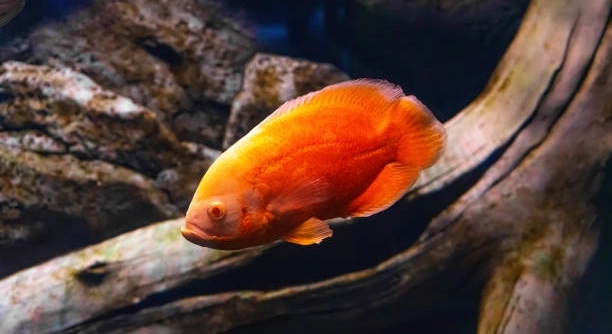
Oscar fish are known for their vibrant colors and active personalities, but sometimes they exhibit signs of lethargy. This can be troubling for fish owners who want to ensure their pets are healthy and thriving in their tanks.
Lethargy in Oscar fish can result from several causes, including poor water quality, improper diet, stress, or even illness. Environmental factors such as temperature fluctuations or the presence of tankmates can also significantly affect their activity levels.
Understanding these factors can help you identify the root cause of your Oscar fish’s lethargy and improve their health and well-being.
Poor Water Quality
Oscar fish are sensitive to changes in their environment, especially water quality. Ammonia, nitrites, and nitrates are harmful to fish if not properly managed. If these levels are too high, it can stress out your Oscar and cause lethargy. It’s essential to maintain a regular cleaning schedule for the tank and perform water changes to keep the water fresh and healthy.
Ensure your filter is working correctly to remove waste and toxins from the water. Test the water regularly to monitor the pH, hardness, and levels of ammonia and nitrates. If the water conditions are poor, your fish will not thrive and may become sluggish or inactive.
Keeping your tank’s water in optimal condition is one of the most effective ways to promote your Oscar’s health. If you notice your fish’s lethargy is linked to water quality, taking swift action can make a big difference.
Incorrect Diet
If an Oscar’s diet is unbalanced or lacking essential nutrients, it can lead to lethargy. A proper diet is vital for their energy and overall health. Oscars require a variety of foods, including pellets, live or frozen fish, and occasional vegetables.
A diet that’s high in fats but low in nutrients can cause sluggishness and affect their overall well-being. Additionally, feeding them too much or too often can lead to obesity, which also makes them less active. Keeping a balanced diet and feeding in moderation can ensure your Oscar stays lively and healthy.
It’s important to adjust the diet based on the Oscar’s age, size, and activity level. Overfeeding and underfeeding both can lead to health issues, including lethargy.
Stress and Anxiety
Stress can significantly impact your Oscar fish’s energy levels. They are sensitive to changes in their environment, whether it’s new tankmates, sudden loud noises, or overcrowding. Stress can lead to physical symptoms such as lack of appetite and lethargy.
If your Oscar is constantly hiding or seems nervous, it may be a sign of stress. Ensure the tank environment is calm and that the fish have enough space to feel secure. Tank decorations and hiding spots can help them feel more comfortable and less anxious. Additionally, avoid placing the tank in high-traffic areas where vibrations and noise are constant.
Keeping your Oscar fish in a peaceful and stable environment is essential for their well-being. Fish are creatures of habit and do best in familiar, quiet surroundings. Reducing stress factors can help restore their energy and make them more active in the tank.
Temperature Fluctuations
Oscar fish thrive in specific temperature ranges. If the water is too cold or too warm, they can become sluggish. The ideal water temperature for Oscars is between 74°F and 81°F. Temperatures outside of this range can cause your fish to become lethargic.
Maintaining a steady water temperature is crucial for keeping your Oscar fish healthy. Fluctuations can stress them out and even lead to illness, which may cause lethargy. Use a reliable aquarium heater and thermometer to ensure the water temperature stays within the recommended range. Avoid placing the tank near windows or air vents, as temperature changes can occur quickly.
Keeping the temperature stable will help your Oscar maintain its usual energy levels. A sudden drop or rise in temperature can lead to lethargy, making it important to monitor and regulate the tank’s environment.
Illness or Infection
Oscar fish can become lethargic when they are ill or dealing with an infection. Symptoms such as pale coloring, swelling, or abnormal swimming behavior indicate potential health issues. If your fish is lethargic and shows these signs, it’s important to act quickly.
Common illnesses in Oscar fish include parasites, bacterial infections, and internal diseases. You might notice white spots, lesions, or unusual behavior in addition to lethargy. If these symptoms are present, consider isolating your Oscar in a quarantine tank and consulting with a veterinarian.
Regularly monitoring your fish for signs of illness is key to maintaining their health. Any changes in behavior should be addressed immediately to prevent further complications.
Poor Tank Conditions
A tank that is overcrowded or not properly maintained can cause your Oscar fish to become lethargic. Poor water circulation, lack of filtration, or inadequate tank size can all contribute to stress and inactivity.
Make sure your Oscar has enough space to swim freely. A cramped environment will lead to physical and mental stress. Additionally, ensure the tank has proper filtration and good water flow to keep the water clean and oxygenated. Regular maintenance is essential to prevent harmful buildup of waste.
Proper tank care ensures your fish stays healthy and active.
FAQ
What are the signs that my Oscar fish is lethargic?
Lethargy in Oscar fish can show up in several ways. Common signs include reduced swimming, hiding more than usual, loss of appetite, and staying at the bottom of the tank. If your Oscar seems to be moving slowly or is not as active as usual, it could be a sign of lethargy.
How can I improve the water quality in my Oscar’s tank?
To improve water quality, perform regular water changes, at least 25% of the tank volume every week. Use a reliable filter to maintain proper filtration and remove harmful toxins. Test the water frequently for ammonia, nitrates, and pH levels to ensure a healthy environment for your Oscar.
Why does my Oscar fish seem to be hiding?
Oscars may hide when they feel stressed, unwell, or insecure. Changes in the tank environment, such as new tankmates, loud noises, or even water quality issues, can make them seek shelter. If your Oscar frequently hides, check for possible stressors and address them promptly.
Can temperature affect my Oscar’s behavior?
Yes, temperature fluctuations can make Oscars lethargic. They thrive in water temperatures between 74°F and 81°F. Water that’s too cold or too hot can cause stress and inactivity. A stable and appropriate temperature is crucial for keeping your Oscar healthy and active.
What should I feed my Oscar to keep them healthy?
Oscars need a varied diet to stay healthy. Offer high-quality pellets, frozen or live fish, and occasional vegetables. Avoid overfeeding, as it can lead to obesity and sluggishness. A balanced diet ensures your Oscar gets the nutrients it needs for energy and proper growth.
How do I know if my Oscar has a health problem?
If your Oscar is lethargic and shows other symptoms like pale skin, abnormal swimming, loss of appetite, or visible wounds, it could be ill. Health issues such as bacterial infections, parasites, or internal diseases can cause lethargy. If you notice these signs, isolate your fish and seek professional advice from a veterinarian.
How can stress affect my Oscar fish?
Stress can lead to lethargy in Oscar fish. Stressors such as poor water quality, overcrowded tanks, new tankmates, or sudden changes in the environment can make Oscars feel unsafe. When stressed, they may exhibit sluggish behavior, stop eating, or show signs of illness. Reducing stressors is crucial for their well-being.
What is the best tank size for an Oscar fish?
Oscar fish need a spacious tank, especially as they grow larger. A minimum tank size of 55 gallons is recommended for a single Oscar fish. As they reach full size, a tank of 75 gallons or more is ideal. This allows them enough space to swim and feel secure, preventing stress and lethargy.
Can I keep more than one Oscar in a tank?
While it’s possible to keep multiple Oscars together, it requires a large tank and careful monitoring. Oscars can be territorial and aggressive, especially during breeding. If you decide to keep more than one, ensure there’s enough space and hideouts to minimize stress and prevent aggression.
Is it normal for my Oscar to be aggressive?
Yes, Oscar fish can be quite territorial and aggressive, especially as they mature. They may chase other fish, nip fins, or even attack tankmates if they feel threatened or overcrowded. Providing enough space and hiding spots can reduce the likelihood of aggression, but some Oscars may always show this behavior.
How can I prevent my Oscar from becoming obese?
Obesity in Oscar fish is often caused by overfeeding or a diet too high in fats. To prevent obesity, feed your Oscar a balanced diet and avoid offering too many treats or live food. Make sure to remove uneaten food from the tank to prevent overfeeding and maintain a healthy weight.
What should I do if my Oscar has an injury?
If your Oscar has an injury, assess the severity of the wound. For minor injuries, you can add aquarium salt to the water to promote healing. If the injury seems serious, such as large cuts or signs of infection, isolate the fish in a quarantine tank and consult a vet.
Why is my Oscar not eating?
A lack of appetite can be a sign of stress, illness, or poor water quality. If your Oscar is lethargic and refuses to eat, check the water parameters, tank conditions, and tankmates. It’s important to address any potential problems quickly. If the issue persists, consider seeking professional advice.
Can I keep Oscars with other fish?
Oscar fish can be kept with other large, robust species, but they are not ideal tankmates for smaller fish. Oscars may view smaller fish as prey and may eat them. When choosing tankmates, ensure the other fish can handle the Oscar’s aggressive nature and the size of the tank.
How can I tell if my Oscar has parasites?
Symptoms of parasitic infections in Oscars include abnormal swimming, rubbing against objects, and the appearance of white spots or lesions on their skin. If you notice these signs, quarantine the affected fish and consider treating with a parasitic medication. A vet can help identify the specific parasite and recommend the right treatment.
Final Thoughts
Oscar fish can be a joy to keep, but they require attention to thrive. When your Oscar is lethargic, it’s often a sign that something isn’t quite right in its environment. Whether it’s stress, illness, poor water quality, or incorrect temperature, there are many factors that can contribute to lethargy. By observing your fish’s behavior closely and addressing any potential issues, you can help restore its energy and ensure a long, healthy life.
Maintaining a clean and stable environment is essential for your Oscar’s well-being. Regular water changes, proper filtration, and monitoring the temperature will go a long way in preventing lethargy. It’s also important to make sure that your Oscar has enough space to swim and isn’t feeling crowded or stressed. Additionally, keeping the tank in a quiet area, free from frequent disturbances, can help reduce stress and encourage your Oscar to be more active.
If you ever notice your Oscar fish becoming lethargic, it’s important to act quickly. While it may just be a temporary issue, it can also signal a more serious health concern. Keep an eye on your Oscar’s behavior and look for other signs of illness or distress. If the lethargy continues, consulting with a vet or aquatic specialist is always a good step. By staying proactive, you can ensure your Oscar fish stays healthy, happy, and active for years to come.

Hello,
If you enjoy the content that we create, please consider saying a "Thank You!" by leaving a tip.
Every little bit helps us continue crafting quality advice that supports the health, happiness, and well-being of pets around the world, for pets of all shapes, sizes, and species.
We really appreciate the kindness and support that you show us!