
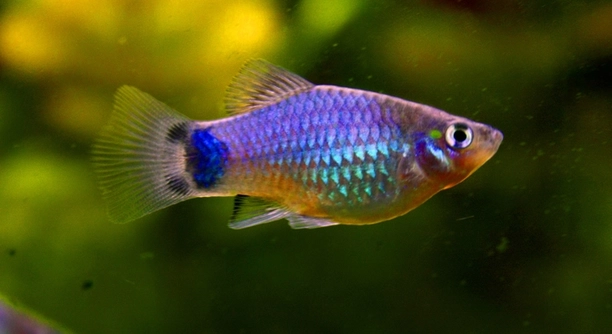
Lethargy in platies can be confusing, especially when the fish look healthy at first glance. Many owners notice their lively pets suddenly become slow or inactive without obvious reasons. Understanding the causes can help maintain their well-being.
Lethargy in healthy-looking platies often results from factors such as poor water quality, improper diet, stress, infections, parasites, temperature fluctuations, or inadequate tank conditions. Each cause affects the fish’s energy levels and overall health in distinct ways.
Identifying these causes early is key to helping your platies regain their vitality and ensuring a thriving aquarium environment.
Poor Water Quality
Poor water quality is one of the most common reasons platies become lethargic. Even if your fish look healthy, dirty or imbalanced water can stress them and lower their energy. Ammonia, nitrite, and nitrate levels that are too high are harmful. Also, a lack of regular water changes can cause toxins to build up. These conditions affect the fish’s gills and make breathing difficult. It can also weaken their immune system, making them more vulnerable to diseases. Checking water parameters regularly with a test kit helps keep the environment safe. Filtration systems play an important role in maintaining clean water, but they need to be cleaned and maintained properly. Without good water conditions, platies lose their natural activity and may hide more often.
Testing water weekly is a simple way to prevent lethargy and keep your fish healthy.
Keeping water clean supports not only your platies’ energy but their overall lifespan and happiness in the tank.
Improper Diet
Feeding your platies the wrong diet can cause them to become sluggish. Platies need a balanced diet with proteins, vegetables, and vitamins to stay active. Overfeeding can lead to obesity and water pollution, while underfeeding causes weakness and poor health. Flake foods made for tropical fish usually cover basic needs, but adding live or frozen foods like brine shrimp or bloodworms helps. Vegetables such as peas or spinach provide fiber and nutrients. A varied diet prevents nutritional deficiencies that contribute to low energy. Watching how much your fish eat and removing uneaten food keeps the tank cleaner, which also helps their activity levels.
Avoid feeding only one type of food, as variety keeps platies stronger and more lively.
Stress
Stress can cause platies to become inactive and lose their usual energy. It often results from sudden changes in their environment or aggressive tankmates.
Stress weakens a platy’s immune system, making it harder for them to fight off illness. Changes like moving the tank, rearranging decorations, or adding new fish too quickly can upset them. Overcrowding is another common cause, as platies need enough space to swim comfortably. Loud noises or vibrations near the tank can also stress the fish. Keeping a stable environment with calm tankmates and minimizing disturbances helps reduce stress. When platies are less stressed, they are more active and healthy.
It’s important to watch for signs like hiding or gasping at the surface, which often signal stress. Taking quick action can prevent further lethargy.
Infections and Parasites
Infections and parasites are serious causes of lethargy in platies. Bacterial or fungal infections can develop from poor water conditions or injuries. Parasites like ich or flukes attach to the fish and cause discomfort. These problems make fish weak and less likely to swim actively.
Common symptoms include spots, unusual swimming patterns, or rubbing against objects. Early diagnosis is important to treat the problem before it worsens. Medication may be required to clear infections or parasites. Quarantining sick fish helps stop the spread to others in the tank. Keeping the tank clean and stable lowers the risk of these health issues. Preventing infections and parasites improves your platies’ quality of life and reduces lethargy.
Temperature Fluctuations
Sudden changes in water temperature can make platies lethargic. They thrive best in stable, warm water between 72 and 78°F (22-26°C).
If the temperature drops or rises too quickly, it stresses the fish. This affects their metabolism and energy levels, causing sluggish behavior.
Inadequate Tank Conditions
Tank size and setup affect platies’ activity. Small or overcrowded tanks limit movement and increase stress.
Proper decoration and hiding spots help platies feel secure. A well-maintained tank with enough space encourages healthy swimming and reduces lethargy.
Poor Oxygen Levels
Low oxygen in the tank can cause platies to become slow and gasping at the surface. Proper aeration and water movement are essential for good oxygen levels.
Lack of Light
Platies need a regular light cycle to maintain their natural rhythms. Insufficient lighting can disrupt behavior and cause inactivity.
FAQ
Why is my platy suddenly lethargic even though it looks healthy?
Lethargy can happen for many reasons even if your platy looks fine. Often, poor water quality or stress from changes in the tank causes low energy. Temperature shifts, infections, or improper diet can also make your fish slow. Regularly checking water parameters and tank conditions helps spot problems early.
How often should I test my tank water?
Testing water once a week is best to keep track of ammonia, nitrites, and nitrates. These chemicals can build up quickly and harm your fish if not controlled. Keeping levels safe ensures platies stay active and healthy.
What is the ideal water temperature for platies?
Platies do best in water between 72 and 78°F (22-26°C). Temperatures outside this range can stress them and lower their energy. Using a reliable aquarium heater and thermometer helps maintain a stable temperature.
Can stress cause long-term health problems in platies?
Yes, stress weakens the immune system, making platies more prone to diseases. Constant stress from poor tank mates, overcrowding, or sudden changes can lead to infections and even death. A calm, stable environment is important for their well-being.
How do I know if my platy has parasites or infections?
Look for white spots, unusual swimming, rubbing against decorations, or faded colors. These signs often mean parasites or infections. If you see these, quarantine the fish and consider treatment with appropriate medications.
Is overfeeding harmful to platies?
Yes, overfeeding leads to water pollution and obesity in platies. Too much food can decay and raise toxins in the tank, which harms fish health. Feeding small amounts once or twice daily and removing uneaten food keeps the tank clean.
What kind of diet should platies have?
A balanced diet with flakes, vegetables, and occasional live or frozen foods like brine shrimp or bloodworms is ideal. Variety prevents nutritional gaps and keeps platies energetic. Adding vegetables like peas or spinach gives them fiber and extra vitamins.
How important is tank size for platy activity?
Tank size matters a lot. Small or overcrowded tanks stress platies and limit their swimming space, causing lethargy. A minimum 10-gallon tank for a few platies provides enough room. More space helps them stay active and happy.
Can low oxygen levels cause lethargy in platies?
Yes, low oxygen makes platies slow and can force them to gasp at the water surface. Good aeration through air stones or filters helps keep oxygen high. Regular water movement supports healthy breathing and activity.
How does lighting affect platy behavior?
Platies need a regular light cycle to maintain their natural rhythms. Insufficient or inconsistent lighting can disrupt feeding and activity times, causing them to become less lively. Aim for 8-12 hours of light daily to mimic natural conditions.
What should I do if my platy remains lethargic after fixing tank conditions?
If lethargy continues, it might be due to illness or internal problems. Consult a vet or an experienced fish keeper for advice. Sometimes medications or special care are needed to help your platy recover fully.
Are there signs that show a platy is recovering from lethargy?
Increased swimming, curiosity, and regular eating habits are good signs. Your platy will spend less time hiding and more time exploring the tank. Patience and consistent care help your fish bounce back.
Final Thoughts
Lethargy in platies can be worrying, especially when they look healthy but act slow or tired. It is important to remember that many factors can cause this change in behavior. Water quality, diet, stress, infections, and even tank setup all play a role. Keeping the water clean and stable is one of the easiest ways to help your fish stay active. Regular water testing and proper filtration reduce harmful chemicals that make platies weak. Watching how your fish behave every day helps catch problems early before they become serious.
Feeding platies the right food in the correct amounts also supports their energy. A balanced diet with a mix of flakes, vegetables, and occasional live or frozen treats gives them the nutrients they need. Overfeeding or underfeeding can lead to lethargy, so it is important to feed small portions once or twice daily and remove uneaten food quickly. Along with diet, providing enough space in the tank and avoiding overcrowding helps reduce stress. Stress is a hidden cause that can affect a platy’s immune system and make them more likely to get sick or inactive. A calm and stable tank environment with peaceful tankmates supports healthy behavior.
If you notice your platy acting sluggish despite good care, infections or parasites might be the reason. Look for physical signs like spots or odd swimming patterns and consider treatment when necessary. Temperature and oxygen levels must also be consistent to keep your fish comfortable and energetic. Sometimes fixing one thing isn’t enough, and you may need to check multiple factors to help your platy fully recover. Patience is key because fish need time to heal and adjust. By understanding what causes lethargy and acting quickly, you can improve your platy’s health and enjoy watching them swim lively again.

Hello,
If you enjoy the content that we create, please consider saying a "Thank You!" by leaving a tip.
Every little bit helps us continue crafting quality advice that supports the health, happiness, and well-being of pets around the world, for pets of all shapes, sizes, and species.
We really appreciate the kindness and support that you show us!