
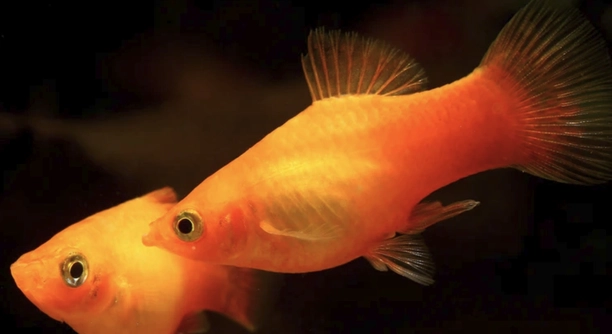
Hyperactive behavior in platies can be surprising for many fish owners. These small, colorful fish are usually calm, but sometimes they swim rapidly or act restless. Understanding why this happens can help keep your platies healthy and happy.
Hyperactivity in platies often results from environmental stressors, poor water quality, or inadequate diet. Other causes include overfeeding, overcrowding, sudden changes in temperature, and the presence of aggressive tank mates. Identifying these factors is key to managing their behavior.
Recognizing these causes will help you create a better environment for your platies and reduce their stress. This guide covers the main reasons behind their hyperactivity and how to address them.
Poor Water Quality
Poor water quality is one of the most common reasons platies become hyperactive. When water contains high levels of ammonia, nitrites, or nitrates, it stresses the fish. They may swim erratically or dart around the tank in response to discomfort. Chlorine or heavy metals in tap water can also cause sudden agitation. Regular water testing is essential to keep these levels safe. Frequent water changes help maintain clean conditions. A well-functioning filter is important to remove waste and toxins. If your platies are showing hyperactive behavior, checking the water quality should be your first step. It helps ensure their environment supports their health and calm behavior.
Testing water parameters weekly helps catch problems early. Keeping water clean prevents many health issues.
Keeping water clean is critical for your platies’ well-being. When water quality is poor, fish expend energy trying to escape irritation, leading to hyperactivity. Proper filtration and regular water changes reduce toxins. Avoid overcrowding to maintain water quality and reduce stress. Using water conditioners removes chlorine and heavy metals. Remember that sudden changes in water chemistry can shock fish. Gradual adjustments during water changes help prevent this. Monitoring temperature is also important, as fluctuations worsen stress caused by poor water quality. By maintaining a stable, clean tank, platies are less likely to show erratic behavior and more likely to thrive.
Overfeeding and Diet Imbalance
Overfeeding platies can cause them to become restless and swim excessively. Excess food pollutes the tank and affects water quality.
Feeding a balanced diet in appropriate amounts helps keep platies calm and healthy. Avoid overfeeding by offering small portions once or twice daily.
A proper diet is key to your platies’ health and behavior. Overfeeding leads to uneaten food that decomposes, releasing harmful substances into the water. This worsens water quality and stresses your fish. Feeding too much can also cause digestive problems and discomfort in platies, which may increase their activity levels as they try to cope. Providing a varied diet of high-quality flakes, pellets, and occasional live or frozen foods supports good nutrition. Make sure to feed only what your fish can consume within a few minutes to prevent leftover food. Maintaining a feeding routine helps regulate their behavior and reduces hyperactivity caused by hunger or digestive upset.
Overcrowding
Too many fish in one tank can cause platies to become overly active. Limited space makes them swim faster and compete for territory.
Overcrowding raises stress levels in platies because they have less room to swim and hide. Stress triggers erratic swimming and hyperactive behavior. It can also increase aggression and reduce oxygen levels. Proper stocking levels are important to prevent these issues. A general rule is one inch of fish per gallon of water, but platies need some extra space due to their activity. Providing hiding spots and plants can help reduce stress by creating more territory. When overcrowding is fixed, platies usually calm down and swim normally again.
Monitoring the number of fish in your tank is essential. Overcrowding affects water quality too, making frequent maintenance necessary to keep platies healthy and less stressed.
Sudden Changes in Temperature
Rapid changes in tank temperature cause platies to become restless and swim erratically. Consistent temperature keeps their environment stable.
Temperature swings shock platies because they are sensitive to their surroundings. A sudden drop or rise in temperature disrupts their metabolism and increases stress, leading to hyperactivity. To avoid this, use a reliable heater and thermometer to maintain steady conditions between 74°F and 78°F (23°C to 26°C). Avoid placing the tank near windows or air vents where temperatures can fluctuate quickly. Gradual adjustments to temperature, if needed, prevent shock. Stable water temperature supports normal behavior and overall fish health. Keeping conditions steady helps platies feel safe and reduces sudden bursts of energy.
Aggressive Tank Mates
Aggressive fish can cause platies to act hyperactive as they try to escape or defend themselves. This behavior is a response to stress and fear.
Platies need peaceful tank mates to feel secure. Mixing them with aggressive species can lead to constant chasing and increased activity levels, which is harmful over time.
Lack of Stimulation
A bare or dull tank may cause platies to swim restlessly out of boredom. Enrichment helps reduce this behavior.
Adding plants, decorations, and hiding spots gives platies places to explore and relax. This lowers their stress and keeps them calm.
Sudden Loud Noises
Sudden loud noises outside the tank can startle platies, causing rapid swimming and erratic movements. These bursts usually calm down quickly once the noise stops.
Why is my platy swimming so fast all of a sudden?
A sudden increase in swimming speed is often caused by stress or discomfort. Changes in water quality, temperature, or the presence of aggressive tank mates can make platies swim faster to escape perceived threats. It’s important to check the tank conditions and environment right away. Maintaining stable water parameters and peaceful neighbors usually helps platies return to their normal, calm swimming behavior.
How can I tell if my platy is stressed?
Stress in platies shows through various signs: erratic or rapid swimming, hiding excessively, loss of appetite, and faded colors. Sometimes they may cling to plants or decorations more than usual. Monitoring these behaviors alongside water quality checks is key. Stress is often linked to poor water conditions, overcrowding, or aggressive tank mates, so addressing these factors is critical for their well-being.
Can diet cause hyperactive behavior in platies?
Yes, diet plays a role. Overfeeding or poor nutrition can upset a platy’s digestive system, causing restlessness. Uneaten food also pollutes the water, increasing toxins that stress the fish. Feeding small, balanced portions once or twice daily helps prevent this. Including varied foods like flakes, pellets, and occasional live or frozen options supports good health and steady behavior.
Is tank size important for platy behavior?
Tank size greatly impacts platy activity. Small, overcrowded tanks limit swimming space and increase stress, leading to hyperactivity. A minimum of 10 gallons is recommended for a small group of platies, but larger tanks are better. Providing enough space and hiding spots reduces competition and allows natural, calm movement patterns.
How often should I test my aquarium water?
Regular water testing is essential. Testing once a week helps catch harmful ammonia, nitrite, and nitrate levels early. These chemicals build up quickly and cause stress, which can lead to hyperactive behavior. Keeping pH, temperature, and hardness stable is also important. Consistent monitoring supports a healthy environment for platies.
What temperature is best for platies?
Platies thrive between 74°F and 78°F (23°C to 26°C). Temperatures outside this range can cause discomfort and erratic swimming. Sudden temperature changes are especially stressful. Use a reliable heater and thermometer to maintain steady conditions. Avoid placing tanks near drafts or heat sources that cause fluctuations.
Can tank decorations affect platy activity?
Yes, a lack of decorations can cause boredom and restlessness. Platies enjoy plants, rocks, and hiding spots. These provide security and stimulation, reducing hyperactive swimming caused by stress or boredom. Arrange decorations to create territories and shelter, which helps them feel safe and calm.
Should I separate hyperactive platies from others?
Separating platies is usually not necessary unless aggression is involved. Hyperactivity is often a response to environmental factors rather than individual behavior. Fixing water quality, tank mates, and feeding routines usually calms them. If a specific fish is injured or overly stressed, temporary separation may help recovery.
How do I handle aggressive tank mates?
Remove or separate aggressive fish that cause platies to stress and swim erratically. Aggressive species often chase or nip smaller fish, increasing platy hyperactivity. Choose peaceful companions like other livebearers or small tetras. Providing enough space and hiding places also reduces conflicts.
Is hyperactivity harmful to platies?
Prolonged hyperactivity causes stress and uses excessive energy, which can weaken the immune system. Stressed platies are more prone to illness and may have shorter lifespans. Addressing the underlying causes promptly improves their health and behavior, ensuring a peaceful tank environment.
How can I reduce hyperactivity quickly?
Perform a partial water change to improve water quality immediately. Check and stabilize temperature. Remove aggressive fish if present. Reduce feeding to appropriate amounts and add plants or decorations for comfort. These steps often calm platies within hours to days.
Can illness cause hyperactive behavior?
Some diseases or parasites may cause restlessness or erratic swimming. If water conditions are good and no other reasons apply, watch for other symptoms like clamped fins, spots, or labored breathing. Consult a vet or fish expert for diagnosis and treatment if illness is suspected.
Understanding why platies become hyperactive is important for anyone who keeps these lively fish. Their sudden bursts of energy or constant fast swimming usually point to problems in their environment or care. Many factors can cause this behavior, including poor water quality, overcrowding, diet issues, temperature changes, and aggressive tank mates. Each of these affects platies in different ways, but they all create stress, which shows through hyperactivity. By learning to recognize these signs and knowing how to respond, you can help your fish stay calm and healthy.
Maintaining a stable and clean tank is key to preventing hyperactive behavior. Regular water testing and changes keep harmful chemicals at safe levels, while a good filtration system removes waste. Providing enough space and choosing peaceful tank mates creates a comfortable environment for platies to swim normally. Feeding the right amount of balanced food avoids pollution and digestive problems. Adding plants and decorations helps reduce boredom and stress. These simple steps work together to make your tank a safe and happy home for your platies.
If you notice your platies behaving unusually, it’s best to check each possible cause carefully. Addressing the problem quickly stops unnecessary stress and helps the fish return to their usual calm state. Remember that platies are sensitive creatures who rely on you to maintain good conditions. Taking the time to understand their needs improves their quality of life and makes your aquarium more enjoyable. Consistent care and attention ensure that your platies can thrive without the problems that lead to hyperactivity.

Hello,
If you enjoy the content that we create, please consider saying a "Thank You!" by leaving a tip.
Every little bit helps us continue crafting quality advice that supports the health, happiness, and well-being of pets around the world, for pets of all shapes, sizes, and species.
We really appreciate the kindness and support that you show us!