
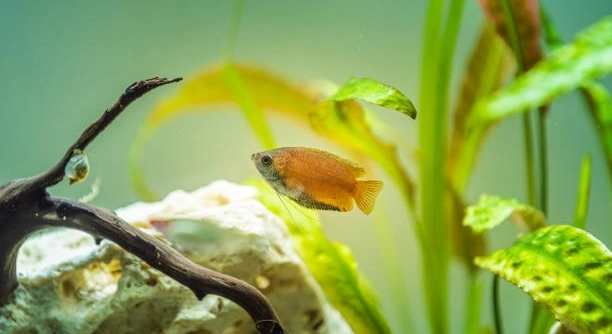
Gouramis are popular aquarium fish known for their bright colors and peaceful nature. Sometimes, after feeding, these fish appear unusually tired or inactive. Understanding why this happens is important for their care and well-being.
Gourami lethargy after feeding can be caused by factors such as overfeeding, poor water quality, stress, digestive issues, infections, temperature fluctuations, and inadequate diet. Each of these factors impacts the fish’s energy levels and overall health in different ways.
Recognizing the causes of lethargy will help improve your gourami’s environment and diet. This knowledge ensures your fish stays healthy and active for a long time.
Overfeeding and Its Effects
Overfeeding is one of the most common reasons gouramis become lethargic after meals. When they eat too much, their digestive system struggles to process all the food. This can cause discomfort and slow movement as their bodies focus on digestion rather than activity. Overfeeding also leads to leftover food sinking to the tank bottom, which can quickly degrade water quality. Poor water quality further stresses the fish and can reduce their energy levels. It’s important to feed gouramis small, measured amounts that they can finish in a few minutes. Consistent overfeeding not only makes your gourami tired but also increases the risk of diseases linked to poor tank conditions. Keeping feeding sessions brief and controlled encourages healthier digestion and more active fish. Watching your gourami’s eating habits closely helps avoid these problems and keeps the tank cleaner for longer periods.
Feeding only what your gourami can eat within a few minutes prevents overfeeding and supports its overall health.
A good feeding schedule balances their nutritional needs without overwhelming their digestive system. Try feeding small portions two to three times a day rather than a large meal all at once. This method helps maintain steady energy levels and reduces waste buildup in the tank. Using sinking pellets or flakes designed for gouramis can also improve digestion since they are easier to process. Remember, a healthy diet is essential for an energetic and lively fish. Maintaining water quality by promptly removing uneaten food supports your gourami’s well-being, preventing lethargy caused by toxins. Watching for changes in behavior after feeding helps you adjust portion sizes and feeding frequency. This attention can greatly improve your gourami’s vitality and reduce the chance of lethargy linked to overfeeding.
Poor Water Quality and Its Impact
Poor water quality directly affects gouramis and can make them lethargic after eating. Waste buildup from uneaten food and fish waste increases ammonia and nitrite levels, which are toxic to fish. These toxins stress gouramis, weakening their immune systems and causing them to become inactive. Maintaining regular water changes and monitoring water parameters like pH, ammonia, nitrite, and nitrate is essential to keep your fish healthy. Clean water ensures proper oxygen levels and a safe environment, helping your gourami stay energetic. It’s important to test water frequently and remove waste quickly. Using a good filtration system can also help maintain stable conditions. Clean, well-maintained water supports digestion and prevents lethargy, so it’s a key part of caring for your gourami.
Water quality must be carefully monitored and maintained to prevent lethargy caused by harmful toxins.
Poor water conditions put stress on gouramis and reduce their ability to stay active after feeding. Ammonia and nitrite poisoning can cause physical distress, making the fish hide or float listlessly. Regular partial water changes remove these harmful substances and help replenish oxygen levels. Testing water parameters weekly gives you control over the tank environment. Filtration systems designed for gouramis improve water clarity and reduce waste buildup. Avoid overcrowding the tank, as this increases waste and stress. Keeping the water clean supports digestion, allowing your gourami to process food efficiently and maintain normal activity. When your fish is in clean water, lethargy after eating is less likely. This simple care step can make a big difference in your gourami’s daily energy and long-term health.
Stress and Its Role in Lethargy
Stress can cause gouramis to become inactive after feeding. Changes in their environment or aggressive tank mates often trigger this reaction.
Stress affects gouramis by releasing hormones that lower their energy and appetite. When fish feel threatened or uncomfortable, they hide or remain still to avoid danger. Poor water conditions, sudden noises, or overcrowding can also increase stress levels. After feeding, a stressed gourami may rest more than usual as its body tries to recover. Providing a calm environment and compatible tank mates helps reduce stress. This improves their digestion and activity levels. Reducing stress is essential for maintaining your gourami’s health and preventing lethargy.
Offering plenty of hiding spots and avoiding sudden changes in the tank helps keep stress low. Keeping the environment peaceful allows your gourami to eat comfortably and remain lively.
Stress can weaken the immune system, making gouramis more vulnerable to infections. It also slows down digestion, leading to sluggishness after meals. To lower stress, monitor tank conditions closely and provide a stable routine. Avoid overcrowding and maintain clean water to keep the tank healthy. Gentle handling during maintenance minimizes anxiety. A peaceful environment encourages normal behavior and energy levels. When stress is controlled, your gourami is more likely to stay active after feeding and enjoy a better quality of life.
Digestive Problems Affecting Activity
Digestive problems in gouramis often result in lethargy after eating. Blockages or poor digestion cause discomfort, reducing their movement.
Poor-quality food or overfeeding can lead to constipation or swim bladder issues. These problems make it hard for gouramis to swim normally, causing them to rest more. Sometimes, digestive infections caused by bacteria or parasites affect nutrient absorption, leaving the fish weak. Observing changes in appetite or swimming can signal digestive trouble. Feeding a balanced diet with fiber and avoiding excess food helps prevent these issues. If problems persist, consulting a vet experienced with fish is important for treatment and recovery.
Proper feeding and diet adjustments improve digestion and prevent lethargy. A balanced diet keeps your gourami healthy and energetic.
Infections and Disease
Infections can make gouramis lethargic after feeding. Bacterial, fungal, or parasitic infections weaken their bodies and reduce energy.
Common signs include loss of appetite, unusual spots, and slow movement. Early detection and treatment are important to prevent worsening symptoms and help your gourami recover quickly.
Temperature Fluctuations and Activity
Sudden changes in water temperature affect gouramis’ metabolism and energy levels. Cooler water slows digestion, making them less active after meals. Maintaining a stable temperature suited to gouramis, typically between 75-82°F (24-28°C), supports normal behavior and digestion.
Inadequate Diet and Its Effects
Feeding an unbalanced diet lacking essential nutrients causes lethargy. Gouramis need protein, vitamins, and fiber for energy and good digestion. Poor nutrition weakens their immune system and lowers activity after eating.
Tank Environment and Behavior
A poorly arranged tank with few hiding spots or plants can stress gouramis. This stress may cause lethargy after feeding. Creating a comfortable environment encourages normal activity and health.
Why is my gourami lethargic only after feeding?
Lethargy after feeding often happens because the fish’s body is focusing energy on digesting food. Overfeeding can cause discomfort or bloating, making your gourami slow down. Poor water quality or stress can worsen this effect, making them less active right after eating.
Can overfeeding cause long-term health problems for gouramis?
Yes, overfeeding leads to digestive issues, water pollution, and obesity. These conditions make gouramis more prone to infections and stress, lowering their immune system. Over time, this can shorten their lifespan and reduce their overall activity levels.
How can I tell if poor water quality is affecting my gourami?
Signs include sluggish behavior, gasping at the surface, faded colors, and clamped fins. Testing water for ammonia, nitrites, nitrates, and pH levels helps identify problems early. Regular water changes and proper filtration keep the environment safe for your gourami.
What kind of diet is best for preventing lethargy in gouramis?
A balanced diet with high-quality flakes, pellets, and occasional live or frozen foods works best. Include protein, fiber, and vitamins to aid digestion and energy. Avoid overfeeding by offering small portions two to three times a day.
How does stress affect my gourami’s activity after feeding?
Stress releases hormones that lower energy and slow digestion. Causes include aggressive tank mates, loud noises, sudden changes, and poor water conditions. Reducing stress means providing hiding spots, stable environment, and peaceful companions.
What are common signs of digestive problems in gouramis?
Look for bloating, difficulty swimming, loss of appetite, and irregular feces. Swim bladder issues may make your gourami float awkwardly or struggle to stay upright. Adjusting diet and avoiding overfeeding can help prevent these problems.
When should I consider a vet visit for my lethargic gourami?
If lethargy lasts more than a few days, or if you see other signs like weight loss, spots, or labored breathing, a vet visit is necessary. Professional advice ensures correct diagnosis and treatment, especially for infections or parasites.
How important is tank temperature for my gourami’s health?
Very important. Gouramis need stable temperatures between 75-82°F (24-28°C). Fluctuations can slow metabolism and digestion, causing tiredness after meals. Using a reliable heater and thermometer helps maintain steady conditions.
Can tank setup influence gourami lethargy?
Yes, an uncomfortable environment increases stress and inactivity. Gouramis prefer tanks with plants, hiding spots, and enough space to swim. A well-arranged tank supports natural behavior and reduces lethargy.
What routine care helps prevent lethargy in gouramis?
Regular water changes, proper feeding, stable temperature, and a peaceful environment are key. Monitoring water parameters and observing your fish daily can catch problems early, helping maintain their energy and health.
Final thoughts on gourami lethargy after feeding focus on understanding the many factors that can affect your fish’s health and activity. Lethargy is often a sign that something in the environment or care routine needs attention. It is not uncommon for gouramis to rest or slow down after eating, but when this behavior becomes frequent or extreme, it may indicate a problem. Paying attention to feeding habits, water quality, stress levels, and diet can help prevent most causes of lethargy. Small changes in how you care for your gourami can make a big difference in its energy and overall well-being.
One of the most important steps in caring for gouramis is feeding the right amount and type of food. Overfeeding is a common issue that can cause discomfort and reduce activity after meals. Feeding smaller portions two or three times a day helps avoid digestive problems and keeps the tank cleaner. A balanced diet with good quality flakes, pellets, and occasional live or frozen foods supports good digestion and energy levels. Keeping an eye on how your gourami reacts after feeding will give clues about whether adjustments are needed. Sometimes a simple change in diet or feeding routine is enough to restore normal activity.
Water quality and tank conditions also play a major role in how your gourami feels after eating. Poor water quality creates stress and exposes fish to harmful toxins, which lower their energy and weaken their immune system. Regular water testing, partial water changes, and proper filtration keep the tank safe and comfortable. Stress from aggressive tank mates or sudden changes can also make your gourami less active. Providing hiding spots and a calm environment helps reduce stress and supports healthy behavior. By combining careful feeding, good water care, and a peaceful tank setup, you can help your gourami stay active and happy after every meal.

Hello,
If you enjoy the content that we create, please consider saying a "Thank You!" by leaving a tip.
Every little bit helps us continue crafting quality advice that supports the health, happiness, and well-being of pets around the world, for pets of all shapes, sizes, and species.
We really appreciate the kindness and support that you show us!