
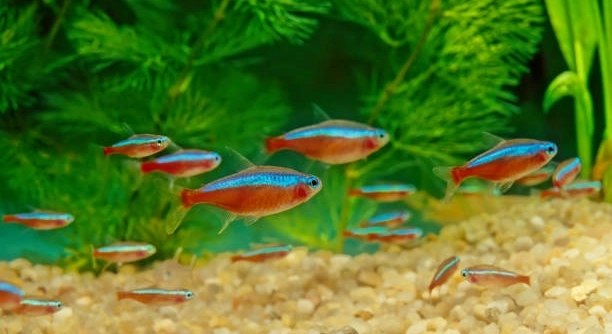
Tetras are popular freshwater fish known for their bright colors and peaceful nature. Many fish owners notice gasping behavior in their tetras and want to understand why this happens. Gasping can be a sign that something is affecting their health or environment.
Gasping behavior in tetras is often caused by poor water quality, low oxygen levels, infections, parasites, stress, improper diet, or tank overcrowding. Each of these factors can affect their ability to breathe properly and lead to visible distress.
Knowing the causes of gasping can help you improve your tetra’s living conditions and keep them healthy for longer.
Poor Water Quality
Poor water quality is a common reason why tetras start gasping. If the water has too many harmful chemicals or waste, it can make breathing hard for your fish. Ammonia, nitrites, and nitrates build up when tanks are not cleaned regularly or if the filtration system is weak. Tetras are sensitive to these changes because they need clean, balanced water to survive. High levels of toxins cause stress and damage their gills, which makes them gasp for air at the surface. Regular water tests and changes are essential to keep your tank safe. Maintaining good water conditions prevents many health problems and helps your tetras thrive. Keeping the tank clean and well-filtered is one of the best ways to avoid gasping behavior.
Testing water weekly and doing partial water changes helps reduce toxins. Clean gravel and filters also support better water quality.
Understanding how water quality affects your tetras will help you act quickly. You can create a healthier environment by staying on top of cleaning and maintenance. Consistent care means fewer gasping episodes and happier fish overall.
Low Oxygen Levels
Low oxygen in the water makes it difficult for tetras to breathe. Without enough oxygen, they gasp at the surface where air meets water.
Oxygen levels can drop if the tank is overcrowded or lacks proper circulation. Warm water holds less oxygen, so higher temperatures also reduce oxygen availability. Using an air pump or adding plants can increase oxygen. Make sure your tank is not overfilled with fish, and keep the water moving gently to help oxygen spread throughout. Proper oxygen levels prevent stress and gasping, keeping your tetras comfortable and healthy.
Infections and Parasites
Bacterial and fungal infections can cause tetras to gasp as their gills become damaged or inflamed. Parasites attach to the skin or gills, making breathing difficult and causing distress.
Infections often develop when the tank conditions are poor or after stress weakens the fish’s immune system. Parasites like gill flukes or ich irritate the skin and gills, leading to rapid or labored breathing. Signs include clamped fins, lethargy, and visible spots or growths. Treating infections quickly with appropriate medication can help stop gasping. Quarantining new fish before adding them to the tank also reduces risks.
Maintaining good tank hygiene and feeding nutritious food supports your tetra’s immune system. This reduces the chance of infections and parasite problems. If you see gasping along with other symptoms, consider a water test and a health check for your fish.
Stress and Overcrowding
Stress lowers your tetra’s ability to cope with changes, leading to gasping. Overcrowding increases stress and decreases oxygen availability.
Tetras need enough space to swim and avoid aggressive neighbors. Too many fish in a tank lead to competition for oxygen and territory, causing anxiety. Stress also comes from sudden water changes, poor diet, or inappropriate tank mates. When stressed, tetras may gasp or hide more often. Proper tank size, peaceful companions, and stable water conditions reduce stress. Make sure to monitor fish behavior and tank population regularly to prevent overcrowding and stress-related gasping.
Improper Diet
An improper diet can weaken tetras and cause gasping. Lack of essential nutrients affects their overall health and breathing ability.
Feeding low-quality or inappropriate food often leads to poor nutrition. A balanced diet with flakes, frozen, or live foods helps maintain healthy gills and energy levels.
Tank Overcrowding
Too many fish in a tank reduce oxygen levels and increase waste buildup. Overcrowding causes stress and forces tetras to compete for resources.
Overcrowded tanks require more frequent maintenance and water changes. Giving your tetras enough space prevents gasping and keeps the tank environment stable.
Temperature Fluctuations
Sudden or extreme changes in water temperature stress tetras and can trigger gasping. Tetras prefer stable temperatures between 72°F and 80°F.
Keeping a consistent temperature helps avoid shock and supports healthy breathing. Use a reliable heater and monitor regularly to maintain a steady environment.
FAQ
Why is my tetra gasping at the surface of the water?
Tetras gasping at the surface usually means they are struggling to get enough oxygen. This can happen when the water has low oxygen levels, often caused by overcrowding, poor circulation, or high temperatures. The fish try to breathe near the surface because oxygen is higher there. Checking oxygen levels and improving water flow can help reduce gasping.
Can poor water quality cause gasping in tetras?
Yes, poor water quality is a major reason for gasping. When toxins like ammonia or nitrites build up, they harm the fish’s gills and make it hard for them to breathe. Dirty tanks or weak filtration increase these harmful chemicals. Regular water testing and cleaning keep the environment safe and help prevent gasping.
How does stress cause gasping in tetras?
Stress weakens a tetra’s immune system and affects its breathing. Causes of stress include overcrowding, aggressive tank mates, sudden water changes, and poor diet. When stressed, tetras might gasp more as their body struggles to cope. Reducing stress by keeping proper tank conditions improves their health and breathing.
Are infections responsible for gasping behavior?
Infections from bacteria, fungi, or parasites often cause gill damage, leading to gasping. Parasites like gill flukes irritate the fish’s breathing organs, causing discomfort. Infected tetras may also show other signs like lethargy or clamped fins. Prompt treatment with medication and quarantine can stop infections from spreading and reduce gasping.
Can diet affect how well my tetra breathes?
Yes, a poor diet can weaken tetras and reduce their ability to breathe properly. Without enough nutrients, their gills and overall health suffer. Feeding a varied diet that includes high-quality flakes, frozen, or live foods helps keep them strong and less likely to gasp.
How important is tank size in preventing gasping?
Tank size matters a lot. Overcrowding reduces oxygen and causes stress, both of which make tetras gasp. Each tetra needs enough space to swim and avoid competition. A well-sized tank with proper filtration and aeration helps keep oxygen levels high and stress low, reducing gasping behavior.
What role does temperature play in tetra gasping?
Temperature affects how much oxygen water holds. Warm water contains less oxygen, so tetras in hot tanks may gasp more. Sudden temperature changes also stress fish and harm their breathing. Keeping the water temperature steady between 72°F and 80°F helps maintain good oxygen levels and reduces gasping.
How can I improve oxygen levels in my tetra tank?
You can increase oxygen by adding an air pump, using a good filter to create water movement, or adding live plants. Avoid overcrowding and keep the water temperature stable. These steps help oxygen dissolve better in water, making it easier for your tetras to breathe and stop gasping.
Is gasping always a sign of a serious problem?
Not always. Sometimes gasping happens briefly if water conditions change quickly or after feeding. However, if gasping continues, it usually points to an issue like poor water quality, low oxygen, or illness. Observing other behaviors and water parameters helps decide when to act.
When should I seek help for my gasping tetra?
If gasping lasts more than a day or comes with other symptoms like lethargy, spots, or abnormal swimming, it’s time to check water quality and consider treatment. Consulting an expert or using medication for infections and parasites can save your fish’s life. Early care makes the biggest difference.
Final Thoughts
Gasping behavior in tetras is a clear sign that something in their environment or health needs attention. It often points to problems like poor water quality, low oxygen, stress, infections, or diet issues. Because tetras are sensitive fish, even small changes can cause them to struggle with breathing. Keeping a close eye on their behavior and the condition of their tank can help catch problems early. Acting quickly when you notice gasping can prevent more serious health issues and keep your tetras comfortable.
Maintaining a clean tank with stable water parameters is one of the best ways to prevent gasping. Regular water testing, partial water changes, and proper filtration help keep toxins low and oxygen levels high. Avoid overcrowding and provide enough space for each fish to reduce stress and competition. Feeding a balanced diet with quality food supports their immune system and overall health. When infections or parasites appear, treating them early is important to stop damage to the gills and other tissues that affect breathing.
Remember that tetras depend on you to provide a safe and stable home. Understanding the common causes of gasping helps you recognize warning signs and take the right steps. While gasping can feel alarming, many causes can be fixed with proper care and attention. By staying consistent with tank maintenance, watching your fish closely, and providing a good environment, you give your tetras the best chance to thrive and live happily in your aquarium.

Hello,
If you enjoy the content that we create, please consider saying a "Thank You!" by leaving a tip.
Every little bit helps us continue crafting quality advice that supports the health, happiness, and well-being of pets around the world, for pets of all shapes, sizes, and species.
We really appreciate the kindness and support that you show us!