
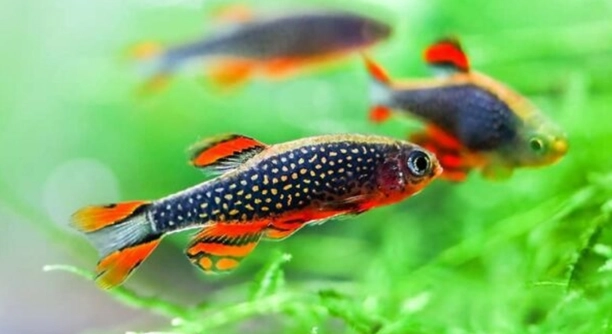
Do your Danios sometimes return from the corner of the tank with fins that look worn or torn? Frayed fins can make even the healthiest-looking fish appear stressed or neglected. Proper care can prevent this common issue.
Frayed fins in Danio tanks are primarily caused by poor water quality, aggressive tank mates, nutritional deficiencies, fin rot, stress, overcrowding, and sharp decorations. Identifying and addressing these factors promptly is essential for maintaining fin integrity and overall fish health.
Understanding these causes will help you create a safer and more comfortable environment for your Danios. Small adjustments can make a noticeable difference in their well-being.
Poor Water Quality
Keeping water clean is one of the most important aspects of Danio care. High ammonia or nitrite levels can irritate their fins, causing fraying and damage. Even small changes in pH or hardness can stress fish, weakening their immune systems. Regular water changes, using a quality filter, and testing water parameters weekly are crucial steps to prevent fin issues. Overfeeding can also worsen water quality, as uneaten food decays and raises ammonia levels. Fins may look fine for a while, but constant exposure to poor water gradually erodes tissue, leaving fins ragged. Maintaining stable conditions reduces stress and supports faster healing if fraying begins. For tanks with multiple species, monitor compatibility, as some fish are more sensitive to water fluctuations. Using a reliable water conditioner and keeping an eye on cloudiness can prevent unseen problems. Clean water is the foundation for healthy, strong fins and vibrant fish.
Monitoring water parameters closely ensures a safe and stable environment for your Danios to thrive and recover from minor fin damage.
Small adjustments in maintenance, like scheduled water changes and careful feeding, can dramatically improve fin health and prevent recurring fraying. Healthy water supports natural healing and reduces disease risk, giving your Danios a stronger, more resilient appearance over time.
Aggressive Tank Mates
Aggressive tank mates can nip at Danio fins, causing immediate fraying. Even minor bullying leaves small tears that worsen over time, especially if fish are stressed or overactive. It’s important to choose compatible species that do not chase or bite. Avoid overcrowding, as limited space increases aggression and reduces hiding spots. Observing interactions daily can help identify problematic individuals quickly. Removing aggressive fish or providing barriers reduces damage and stress. Fins may appear shredded within days if aggression continues, leading to infection. Using smooth decorations and plants allows Danios to escape if chased. Adjusting feeding routines can also distract more aggressive fish. A calm tank prevents fin injuries and supports natural repair.
Separating aggressive individuals or choosing peaceful species can protect your Danios and maintain harmony in the tank.
Long-term fin health relies on a stress-free environment. Careful selection of tank mates and tank layout reduces attacks, encourages normal swimming behavior, and allows damaged fins to regenerate without interference. Over time, your Danios will appear healthier and more active when constant fin nipping is minimized.
Nutritional Deficiencies
A poor diet can weaken Danio fins, making them prone to fraying. Lacking essential vitamins and proteins slows healing and reduces fin strength. High-quality flake or pellet food, supplemented with occasional live or frozen options, helps maintain healthy fins and overall vitality.
Balanced nutrition is crucial for fin growth and repair. Fins are delicate tissues, and inadequate protein or vitamin intake leads to fraying, discoloration, and slower regeneration. Feeding a mix of foods, including spirulina, daphnia, and bloodworms, provides essential nutrients. Overfeeding can harm water quality, so portions must be controlled. Fasting one day a week helps digestion and prevents waste buildup. Proper nutrition strengthens immunity, reducing the risk of infections that worsen fraying.
Supplementary foods enhance color and fin resilience. Vitamins like A and C support tissue repair, while proteins provide the building blocks for new fin growth. Including variety in meals ensures Danios receive all necessary nutrients. Regular observation helps detect early signs of malnutrition, such as dull color or thinning fins. Combining proper feeding with clean water and minimal stress gives fins the best chance to recover fully, preventing repeated fraying episodes and supporting long-term health.
Fin Rot
Fin rot is a common bacterial or fungal infection that damages Danio fins. Poor water conditions and stress make fish more susceptible. Early detection and treatment are essential to prevent complete fin loss. Quarantining affected fish can limit the spread to others.
The condition begins as frayed edges that may look ragged or discolored. If untreated, it progresses toward the base of the fins, potentially affecting the tail and dorsal fins. Regular water testing and prompt removal of decaying food help prevent outbreaks. Medications such as antibacterial or antifungal treatments can halt progression, but precise dosing is necessary to avoid further stress. Improving water quality while administering treatment maximizes recovery. Observation of behavior is equally important, as lethargy or loss of appetite often accompanies fin rot, indicating systemic stress.
Preventing fin rot requires consistent care. Clean water, balanced feeding, and minimal stress reduce bacterial and fungal growth. Injured fins should be monitored closely to catch early signs of infection. Quarantining new fish before adding them to the main tank prevents introducing pathogens. Timely intervention with appropriate medications and improved tank conditions allows fins to regenerate and restores your Danios’ overall health. Consistent maintenance prevents repeated infections and promotes long-term fin resilience.
Stress
Stress in Danios can lead to fin fraying and slow healing. Overcrowding, sudden changes in water parameters, or frequent disturbances increase stress levels. Minimizing these factors helps maintain fin health and overall vitality.
Providing hiding spots and maintaining a stable routine reduces stress. A calm environment allows fins to regenerate naturally, improving recovery and preventing further damage.
Overcrowding
Overcrowded tanks increase competition for food and swimming space, causing nipped fins and general stress. Each Danio needs enough room to swim freely without constant contact. High density also worsens water quality, compounding fin problems.
Careful planning of tank size and fish numbers ensures adequate space. Removing excess fish or upgrading tank size reduces aggression, improves water conditions, and allows damaged fins to heal. Spacing decorations and plants can help create territories, further limiting stress. Observing interactions ensures all fish have room to thrive, preventing injuries caused by overcrowding. Maintaining a balanced population supports overall health and fin regeneration in Danios.
Sharp Decorations
Sharp or rough decorations can tear fins if fish brush against them. Smooth, rounded ornaments and plants help prevent accidental damage. Regularly inspecting the tank reduces risks and keeps fins intact.
What causes Danio fins to fray?
Danio fins fray for several reasons, most commonly poor water quality, stress, aggressive tank mates, nutritional deficiencies, and infections like fin rot. Sharp decorations or overcrowding can also physically damage fins. Identifying the specific cause is essential to treat the problem and prevent it from recurring.
How can I improve water quality to protect fins?
Regular water changes, using a good filtration system, and testing water parameters weekly are key. Remove uneaten food and debris promptly to prevent ammonia or nitrite spikes. Conditioning tap water and maintaining a stable temperature also reduce stress and fin deterioration. Clean water supports healing and overall health.
Can diet affect fin health?
Yes, poor nutrition weakens fins and slows healing. A balanced diet rich in protein and essential vitamins supports tissue repair. Supplementing with live or frozen foods such as daphnia, bloodworms, or brine shrimp can improve fin resilience. Avoid overfeeding to prevent water quality issues.
Is fin rot the same as frayed fins?
Fin rot is a specific bacterial or fungal infection that causes fraying. Frayed fins can appear from physical damage or stress, but fin rot also leads to discoloration, ragged edges, and sometimes a foul smell. Prompt treatment with medications and improved water conditions stops progression.
How do I treat fin rot?
Treat affected fish in a separate quarantine tank if possible. Use antibacterial or antifungal medications according to instructions. Maintain clean water and monitor for changes in behavior, appetite, and fin appearance. Removing decaying food and ensuring stable water conditions speeds recovery and prevents spread.
Can stress really cause fins to fray?
Yes, chronic stress weakens the immune system, making fins more vulnerable to infections and slow to heal from minor damage. Stress factors include sudden water changes, aggressive tank mates, overcrowding, and frequent disturbances. Reducing stress is critical for fin recovery.
Do aggressive tank mates always cause damage?
Not always, but even minor chasing or nipping can tear fins over time. Some species are naturally aggressive, while others act out in overcrowded tanks. Providing enough space and hiding spots, and observing interactions, can prevent most fin injuries caused by aggression.
Can overcrowding be prevented?
Yes, plan tank size according to the number of Danios. Each fish needs space to swim and escape aggressive interactions. Overcrowding increases stress, leads to competition for food, and worsens water quality, all of which contribute to frayed fins. Maintaining proper stocking density is key.
What role do decorations play in fin health?
Sharp or rough decorations can tear fins when fish swim near them. Use smooth, rounded ornaments and live or artificial plants with soft edges. Regularly inspecting the tank for hazards ensures that fins remain intact and avoids unnecessary injuries.
How long does it take for fins to heal?
Healing depends on water quality, stress levels, diet, and severity of damage. Minor fraying may heal in a few weeks, while severe damage or infection can take longer. Consistent care and proper treatment significantly improve recovery time.
Can preventative care stop fraying altogether?
Preventative care reduces the likelihood but cannot eliminate all risks. Regular water maintenance, balanced diet, compatible tank mates, adequate space, and safe decorations minimize incidents. Observing fish behavior and fin condition helps catch problems early before severe damage occurs.
Is it necessary to quarantine new fish?
Yes, quarantining new fish prevents introducing infections that cause fin rot. It also allows observation of behavior, ensuring new arrivals are compatible with existing Danios. Quarantine periods of two to four weeks are generally recommended.
How do I know if fin damage is physical or infection-related?
Physical damage usually appears as clean tears along fin edges, while infection-related fraying often shows discoloration, ragged edges, and tissue loss at the base. Observing water conditions, behavior, and tank mates helps identify the underlying cause.
Can frayed fins regrow completely?
Yes, fins can regenerate if underlying causes are addressed. Clean water, a balanced diet, low stress, and treatment of infections allow fins to grow back fully over time. Severe infections or repeated injuries may leave minor imperfections.
Are there any quick fixes for frayed fins?
Quick fixes are limited. Immediate improvements include correcting water quality, removing aggressive tank mates, and providing proper nutrition. Medications for infections can help, but consistent long-term care is essential for full recovery.
Frayed fins in Danios are a common problem, but they are often preventable with careful attention and consistent care. The main factors contributing to fin damage include poor water quality, aggressive tank mates, stress, overcrowding, nutritional deficiencies, sharp decorations, and infections like fin rot. Each factor can have a direct impact on fin health, and sometimes multiple factors act together to worsen the situation. Observing your fish regularly helps identify early signs of fraying. Noticing subtle changes, such as slight tearing at the fin edges or unusual behavior, allows for prompt intervention before the damage becomes severe. Fins are delicate structures, and even minor injuries can make fish more vulnerable to infections, which is why early detection and treatment are essential. By addressing the underlying causes quickly, you can ensure your Danios maintain strong, healthy fins that allow them to swim comfortably and display their natural beauty.
Maintaining a consistent and well-balanced routine is key to preventing frayed fins. Regular water changes, testing parameters, and keeping the tank clean minimize stress and create an environment where fins can heal naturally. Feeding a varied diet that includes high-quality flake or pellet foods, supplemented with live or frozen options, provides the nutrients necessary for tissue repair and overall vitality. Reducing stress is equally important, and this can be achieved by choosing compatible tank mates, providing enough swimming space, and creating hiding spots to help fish feel secure. Decorations and plants should be carefully selected to avoid sharp edges that can tear fins. Even small adjustments, such as reorganizing the tank layout or controlling feeding portions, can have a noticeable impact on fin health. Consistency in care ensures that Danios have the best chance to recover fully from minor fraying and maintain long-term fin integrity.
Taking care of Danio fins is a continuous process rather than a one-time solution. Healing can take several weeks, depending on the severity of the damage and the fish’s overall condition. Patience and attention to detail are necessary to support recovery, including monitoring water quality, feeding, and interactions among tank mates. Preventing future issues is just as important as treating existing damage. Regular observation helps catch early signs of aggression, stress, or illness before they escalate. By maintaining proper nutrition, clean water, and a calm environment, fins can regenerate fully, and the fish will appear healthier and more active. Over time, consistent care reduces the likelihood of repeated fraying, supporting both the physical well-being and overall happiness of your Danios in their aquatic habitat.

Hello,
If you enjoy the content that we create, please consider saying a "Thank You!" by leaving a tip.
Every little bit helps us continue crafting quality advice that supports the health, happiness, and well-being of pets around the world, for pets of all shapes, sizes, and species.
We really appreciate the kindness and support that you show us!