
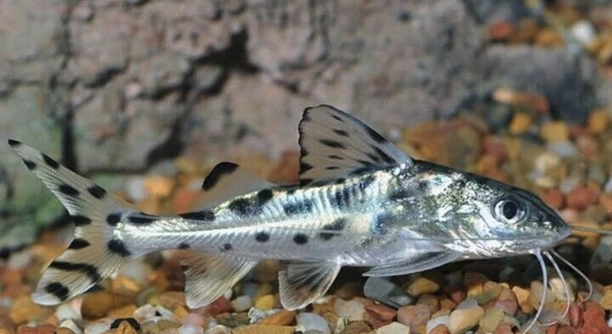
Frantic swimming is a common behavior observed in Pictus catfish that can signal various underlying issues. Understanding the reasons behind this activity helps in maintaining the health and well-being of these popular aquarium fish. This article outlines the main causes of frantic swimming.
Frantic swimming in Pictus catfish typically results from stressors such as poor water quality, inadequate tank conditions, disease, or sudden changes in the environment. These factors disrupt their normal behavior and can indicate health problems requiring prompt attention.
Knowing the causes behind frantic swimming can improve care practices and promote a healthier environment for your Pictus catfish. This insight will help address any concerns and support your fish’s comfort.
Poor Water Quality and Its Effects
Poor water quality is one of the most common reasons for frantic swimming in Pictus catfish. These fish are sensitive to changes in their environment, and dirty water can cause stress quickly. High levels of ammonia, nitrites, or nitrates irritate their gills and skin. This irritation can make them swim erratically or try to escape the tank. Low oxygen levels in the water also contribute to this behavior because the fish struggle to breathe. Regular water testing and timely changes are essential to keep the water clean and healthy. Maintaining stable temperature and pH levels helps prevent sudden shocks that upset your catfish. When water quality is poor, the fish may also become more susceptible to infections and diseases. Keeping the tank well-filtered and avoiding overfeeding will reduce waste buildup and maintain balance. Clear, clean water encourages calm and natural swimming patterns in Pictus catfish.
Water quality affects fish health directly. Contaminated water causes stress and erratic swimming due to irritation and lack of oxygen.
Checking water regularly and performing partial water changes help maintain a stable environment. A well-filtered tank with proper aeration supports your catfish’s overall well-being. Removing uneaten food and waste reduces harmful substances. Using water conditioners can also eliminate chlorine or chloramine. Good water quality reduces stress and prevents frantic swimming caused by poor living conditions.
Tank Size and Environment Setup
Tank size is important for Pictus catfish comfort. Small tanks limit their space to swim and explore, which can cause anxiety. These fish need enough room to move freely and find hiding spots.
Inadequate environment setup also contributes to frantic swimming. Lack of shelter, too bright lighting, or strong water currents can make Pictus catfish feel unsafe. They prefer a tank with plenty of plants, decorations, and soft substrate where they can rest or hide when stressed. Providing a quiet area with dim lighting helps reduce anxiety. Strong water flow from filters or pumps should be adjusted to a gentle level because strong currents tire the fish. Proper tank size and thoughtful decoration create a secure space that encourages relaxed behavior and prevents frantic swimming. Consider these factors carefully when setting up or upgrading your aquarium.
Sudden Changes in Environment
Sudden changes like moving the tank, adding new fish, or altering lighting can stress Pictus catfish. These changes disrupt their routine and trigger frantic swimming as a reaction to uncertainty.
When the environment changes abruptly, Pictus catfish may feel threatened or disoriented. These fish rely on consistency to feel secure. Changes in water temperature, pH, or even noise around the tank can cause them to swim erratically. Gradual adjustments are best when modifying the tank setup or introducing new elements. Allow the fish time to adapt to changes slowly, and monitor their behavior closely. Stress from sudden changes weakens their immune system, making them prone to illness.
To reduce stress, avoid making multiple changes at once. Keep the environment as stable as possible. Observing your catfish’s response to new situations can help you adjust care practices and create a calmer space for them to thrive.
Disease and Parasites
Pictus catfish can develop diseases or parasite infections that cause frantic swimming. Early signs include unusual movement, loss of appetite, or visible spots on their body.
Common infections like ich, fin rot, or parasites irritate the fish, prompting erratic behavior. These conditions require timely diagnosis and treatment to prevent serious health decline. Quarantining new fish and maintaining excellent tank hygiene reduces the risk of disease spreading. If symptoms appear, testing water parameters and using appropriate medications can help restore your catfish’s health. Always follow treatment instructions carefully to avoid harming beneficial bacteria in the tank. Paying attention to your fish’s physical and behavioral changes allows you to act promptly and improve recovery chances.
Overfeeding and Poor Diet
Overfeeding causes excess waste in the tank, leading to poor water quality that stresses Pictus catfish. It can also cause digestive problems, making the fish uncomfortable and restless.
Feeding a balanced diet in proper amounts supports your catfish’s health. Avoid giving too much food at once, and remove uneaten portions promptly.
Stress from Tank Mates
Aggressive or overly active tank mates can cause Pictus catfish to swim frantically. Conflicts or constant chasing make them anxious and unsafe.
Keeping compatible species together and providing hiding spots helps reduce stress. Calm tank mates create a peaceful environment, encouraging natural behavior.
Lack of Oxygen
Low oxygen levels in the water can force Pictus catfish to swim frantically near the surface. They do this to get more oxygen.
Improving aeration with air stones or filters ensures enough oxygen circulates in the tank. Good oxygen levels support calm, healthy fish.
FAQ
Why is my Pictus catfish swimming frantically at night?
Pictus catfish are nocturnal but can become restless at night if the tank environment is uncomfortable. Poor water quality, sudden noises, or bright lighting during their active hours can cause frantic swimming. Also, if the tank lacks enough hiding places, they may feel exposed and stressed at night. Ensuring a quiet, dark, and stable environment helps them feel secure and swim calmly.
How often should I test the water to prevent frantic swimming?
Regular testing is important to keep your tank healthy. Testing once a week for ammonia, nitrites, nitrates, and pH is recommended. Frequent monitoring helps catch problems early, preventing stress for your catfish. If you notice frantic swimming, testing water immediately can identify if water quality is the cause.
Can tank size really affect frantic swimming?
Yes, Pictus catfish need enough space to swim and explore. Small tanks limit movement and cause stress, leading to frantic swimming. Ideally, a tank should be at least 30 gallons to provide enough room. More space means less stress and healthier fish.
Is frantic swimming a sign of disease?
Frantic swimming can indicate disease but isn’t always the only symptom. Look for other signs like spots, discoloration, clamped fins, or loss of appetite. If disease is suspected, quarantine the fish and start treatment quickly to avoid spread and worsening conditions.
What can I do if my Pictus catfish is stressed by tank mates?
Aggressive or active tank mates can cause stress and frantic swimming. Choose peaceful species that get along well with Pictus catfish. Providing plenty of hiding spots lets your catfish escape if needed. Adjusting the community helps reduce stress and promotes calm behavior.
How do sudden changes affect my Pictus catfish?
Sudden changes like moving the tank, changing water parameters quickly, or adding new fish can shock your catfish. This shock causes frantic swimming as a stress response. Always make changes gradually to give your fish time to adjust without panic.
Can diet cause frantic swimming?
Yes, an improper diet or overfeeding can lead to digestive problems and poor water quality, both of which cause stress. Feeding high-quality food in appropriate amounts supports good health and stable tank conditions, preventing frantic swimming.
What role does oxygen play in frantic swimming?
Low oxygen levels make Pictus catfish swim near the surface to get more air, often frantically. Ensuring good aeration through filters, air stones, or water movement maintains proper oxygen levels and keeps fish calm.
How can I create a comfortable environment for my Pictus catfish?
Provide enough space, stable water conditions, hiding spots, and compatible tank mates. Regular maintenance and gentle lighting also contribute to comfort. A peaceful, clean tank encourages natural swimming and reduces frantic behavior.
When should I seek professional help for frantic swimming?
If frantic swimming continues despite improving water quality, tank setup, and diet, consider consulting an aquatic veterinarian or specialist. Persistent frantic behavior may signal a hidden illness or deeper environmental issue needing expert care.
Final Thoughts
Frantic swimming in Pictus catfish can be a clear sign that something in their environment needs attention. These fish rely heavily on stable water conditions, proper tank setup, and a calm atmosphere to feel secure. When any of these factors are off, they may swim erratically as a way to cope with stress or discomfort. Paying close attention to their behavior and regularly maintaining the tank can prevent many of these problems. Small actions like checking water quality, avoiding sudden changes, and providing hiding places make a big difference in their well-being.
Understanding the common causes of frantic swimming helps create a better home for Pictus catfish. Problems such as poor water quality, improper tank size, aggressive tank mates, or disease all contribute to this behavior. Addressing these issues quickly can prevent long-term health problems for the fish. It is important to remember that these signs should not be ignored, as prolonged stress weakens the fish’s immune system and can lead to serious illness. By being proactive and observant, you ensure your catfish remains healthy and comfortable in its environment.
Keeping Pictus catfish healthy is an ongoing process that requires patience and care. Regular tank maintenance, thoughtful feeding, and creating a peaceful tank environment are essential parts of this care. When the fish swim calmly and display normal behavior, it is a good sign that their needs are being met. Observing your catfish daily will help you catch any changes early on. With the right care, these active and beautiful fish can thrive and be a joyful addition to your aquarium for many years.

Hello,
If you enjoy the content that we create, please consider saying a "Thank You!" by leaving a tip.
Every little bit helps us continue crafting quality advice that supports the health, happiness, and well-being of pets around the world, for pets of all shapes, sizes, and species.
We really appreciate the kindness and support that you show us!