
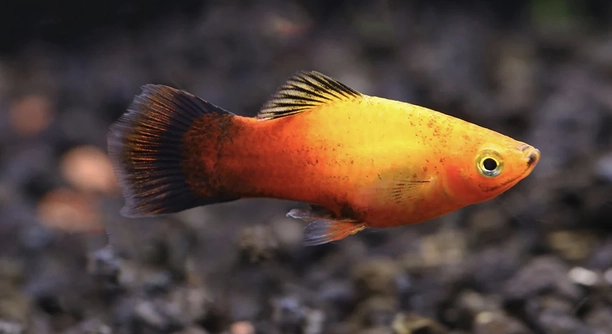
Platies are popular freshwater fish, loved for their bright colors and peaceful nature. Keeping them healthy can sometimes be a challenge, especially when fin rot appears. Understanding the causes helps protect these small swimmers.
Fin rot in platies is mainly caused by poor water quality, bacterial infections, stress, injury, overcrowding, poor diet, and weakened immune systems. Identifying these causes is essential for proper treatment and prevention of further damage.
Knowing what leads to fin rot can help you keep your platies healthy and happy in their tank environment. This article breaks down the main causes and easy ways to fix them.
Poor Water Quality
Poor water quality is the most common cause of fin rot in platies. When the water contains high levels of ammonia, nitrites, or nitrates, it can irritate the fish’s fins and skin. Dirty water also encourages harmful bacteria to grow, which attack weakened fins. Platies are sensitive to changes in their environment, so frequent water changes and a good filtration system are necessary to keep water clean. Avoid overfeeding, as leftover food can pollute the tank. Testing water parameters regularly helps catch problems early and maintain a healthy habitat for your fish. Clean water supports the natural healing process of damaged fins and prevents infections from spreading.
Maintaining good water quality reduces the risk of fin rot and keeps platies healthy.
Regular tank cleaning, proper filtration, and monitoring water conditions are the best ways to prevent fin rot caused by poor water quality.
Bacterial Infections
Bacterial infections cause fin rot by attacking damaged or stressed fins. These infections often develop when fish live in unclean water or are exposed to injury. Bacteria thrive in poor tank conditions and can quickly spread if not treated. Once bacteria infect the fins, they cause the tissue to decay, making the edges look ragged or frayed. It’s important to isolate sick fish and treat the water with antibacterial medications if needed. Using antibiotics recommended for fish can stop the infection. Early treatment helps save the fins and prevents the infection from reaching the body. Keeping tanks clean and avoiding stress reduces the chance of bacterial outbreaks.
If you notice your platy’s fins looking torn or discolored, it might be a bacterial infection.
Treating bacterial fin rot involves isolating the affected fish, cleaning the tank, and using proper medications as directed to ensure recovery and prevent further harm.
Stress and Overcrowding
Stress weakens platies’ immune systems, making them more vulnerable to fin rot. Overcrowded tanks increase aggression and competition for resources, which adds to stress.
Crowded conditions cause platies to chase or nip each other’s fins, creating small wounds that bacteria can infect. Fighting also increases stress hormones, reducing the fish’s ability to heal. Ensuring enough space and hiding spots reduces stress and fin damage. Keep the tank population appropriate for its size, and separate aggressive fish if needed. Monitoring behavior regularly helps catch problems early.
A calm, well-spaced tank encourages platies to stay healthy and resist infections that cause fin rot. Avoid overcrowding to keep your fish comfortable and injury-free.
Poor Diet and Immune Health
A poor diet can weaken platies’ immune systems, making it harder for them to fight off infections like fin rot. Feeding a limited or low-quality diet means they may miss essential nutrients needed for healing and defense. A balanced diet with variety supports strong fins and overall health. Include high-quality flakes or pellets designed for tropical fish, supplemented with occasional live or frozen foods like brine shrimp or bloodworms. Vitamins and minerals from these foods help build resistance against disease.
Boosting immune health involves more than just food. Maintaining clean water and reducing stress work together with good nutrition. A healthy immune system is key to preventing fin rot from starting or worsening. Keeping your platies well-fed and stress-free gives them a better chance at quick recovery if fin rot appears.
Injuries
Injuries to fins can happen from sharp decorations, rough handling, or fights with other fish. These wounds create openings for bacteria to enter and cause fin rot.
Removing sharp objects and handling fish gently helps prevent injuries. Monitor tank mates to avoid aggressive behavior that leads to fin damage.
Overcrowding
Too many fish in one tank increases stress and physical damage, leading to a higher chance of fin rot. Overcrowding causes poor water quality and aggressive behavior, both harmful to platies.
Maintaining a proper fish-to-water ratio and providing hiding places reduce stress and fighting, which helps protect the fins.
Weakened Immune System
A weakened immune system makes platies less able to fight off infections like fin rot. Stress, poor diet, and bad water quality all contribute to immune weakness.
Keeping all tank conditions stable supports a strong immune system, improving the fish’s ability to heal and resist disease.
How to Fix Fin Rot
Treatment involves cleaning the tank, improving water quality, and using antibacterial medications if necessary. Isolating sick fish prevents the spread.
Removing stress factors and feeding a balanced diet supports recovery.
FAQ
What are the first signs of fin rot in platies?
The earliest signs include frayed or ragged fin edges and discoloration at the tips of the fins. You might notice the fins looking thinner or parts missing. Sometimes, fins may appear cloudy or have white spots. If you catch these signs early, treatment is easier and more effective.
How quickly does fin rot spread?
Fin rot can spread within days if left untreated, especially in poor water conditions. The infection can worsen rapidly, damaging more of the fin and sometimes reaching the body. Prompt action is important to stop the spread and save your fish’s fins.
Can fin rot heal on its own?
If the cause is mild and water conditions improve quickly, minor fin damage might heal naturally. However, bacterial infections often require treatment with antibiotics or antibacterial medications. Ignoring fin rot can lead to serious health issues or death.
Is fin rot contagious to other fish?
Fin rot itself is not directly contagious but the bacteria causing it can spread in a shared tank, especially when water quality is poor. Sick fish weaken the environment, increasing the risk for healthy fish to develop the disease.
How often should I change water to prevent fin rot?
Regular water changes, about 20-30% weekly, help maintain good water quality. Frequent partial changes prevent buildup of harmful chemicals and bacteria. Avoid large, sudden water changes, as these can stress your platies.
What type of medication works best for fin rot?
Antibacterial medications designed for fish, like those containing melafix or aquarium salt treatments, can be effective. Severe cases may need antibiotics prescribed by a vet. Always follow instructions carefully to avoid harming your fish.
Can I use salt to treat fin rot in platies?
Yes, aquarium salt in proper amounts can help reduce bacteria and promote healing. It also helps reduce stress and improve gill function. Use salt carefully—too much can harm your fish, so measure according to tank size.
Should I isolate a fish with fin rot?
Isolating sick fish in a separate hospital tank is recommended. This helps prevent stress from tank mates and allows for focused treatment. It also protects healthy fish from possible bacterial spread.
How long does it take for fins to regrow after fin rot?
Regrowth depends on the severity of damage and tank conditions. With good care, fins may start healing within 1-2 weeks. Full regrowth can take several weeks to a couple of months. Patience and proper treatment are key.
Can diet alone prevent fin rot?
A healthy diet supports immune function but won’t prevent fin rot by itself. Diet must be paired with clean water, proper tank care, and stress control. Feeding varied, nutrient-rich food helps platies recover faster if they get sick.
Is fin rot painful for platies?
Fin rot causes discomfort, especially as the infection worsens. Damaged fins can be sensitive and affect swimming. Reducing stress and treating fin rot quickly helps lessen pain and suffering for your fish.
What causes fin rot to come back after treatment?
Recurring fin rot usually happens because the root problems weren’t fully fixed. Poor water quality, stress, or overcrowding may remain. Continuous tank maintenance and monitoring are necessary to keep fin rot from returning.
Can decorations cause fin rot?
Sharp or rough decorations can tear fins, creating entry points for bacteria. Smooth, fish-safe decorations reduce this risk. Regularly inspect the tank to remove or replace any hazardous items.
How do I know if fin rot is bacterial or fungal?
Bacterial fin rot typically causes ragged edges and tissue loss. Fungal infections may appear as white, cotton-like growths on fins. Both require different treatments, so accurate identification is important.
Is fin rot common in new tanks?
New tanks often have unstable water parameters, which can stress fish and allow bacteria to grow. Fin rot is more common if the tank is not cycled properly. Patience and water testing help prevent this problem.
Can stress alone cause fin rot?
Stress weakens the immune system, making platies more vulnerable to infections like fin rot. While stress doesn’t directly cause the disease, it makes fighting off bacteria much harder.
What can I do to reduce stress in my platies?
Keep tank conditions stable, avoid overcrowding, provide hiding spots, and maintain good water quality. Avoid sudden changes and handle fish gently during tank maintenance.
Are platies more prone to fin rot than other fish?
Platies are generally hardy, but like many tropical fish, they can develop fin rot if conditions are poor. Proper care minimizes this risk for all aquarium fish.
Can fin rot affect a platy’s lifespan?
If untreated, fin rot can lead to severe infections, affecting organs and overall health, shortening lifespan. Early detection and care help ensure your platies live long, healthy lives.
How can I prevent fin rot from happening again?
Regular water changes, balanced diet, stress reduction, and tank cleanliness are essential. Monitoring fish behavior and water quality lets you catch problems before fin rot develops.
Fin rot is a common problem platies face, but it is also one that can be managed with the right care. Understanding the causes is the first step to keeping your fish healthy. Poor water quality, bacterial infections, stress, injuries, overcrowding, and diet all play important roles in how fin rot develops. By paying close attention to these factors, you can reduce the risk of your platies suffering from this issue. Keeping the tank clean, feeding a balanced diet, and avoiding stress help create a strong foundation for their health.
Treatment is straightforward but requires patience and consistency. If you notice signs of fin rot, acting quickly is important. Improving water quality with regular changes, isolating sick fish when needed, and using proper medications help stop the infection and promote healing. Avoiding overcrowding and providing a calm environment lowers stress levels, which supports recovery. Remember, fins take time to regrow, so giving your fish a stable and healthy space will encourage full healing. Monitoring your platies regularly helps catch problems early, so treatment can begin before the condition worsens.
Preventing fin rot is easier than treating it. Consistent tank maintenance and good care habits go a long way in protecting your platies. Simple steps like testing water often, not overfeeding, and choosing the right number of fish for your tank size keep your fish safe. Also, providing a variety of nutritious foods strengthens their immune systems, helping them fight off infections naturally. Taking care of your platies means understanding their needs and acting quickly when problems arise. With attention and effort, fin rot doesn’t have to be a serious threat to their health or happiness.

Hello,
If you enjoy the content that we create, please consider saying a "Thank You!" by leaving a tip.
Every little bit helps us continue crafting quality advice that supports the health, happiness, and well-being of pets around the world, for pets of all shapes, sizes, and species.
We really appreciate the kindness and support that you show us!