
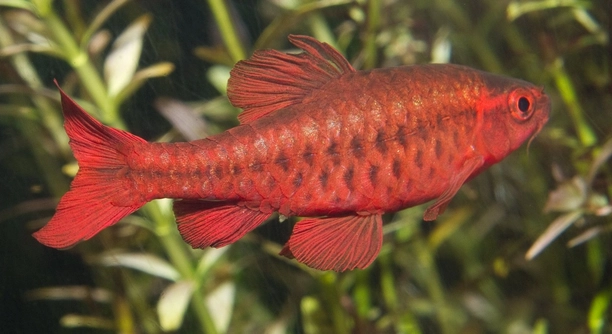
Are your Cherry Barbs showing signs of frayed or discolored fins, making you worry about their health and comfort in the tank?
The main causes of fin rot in Cherry Barbs include poor water quality, bacterial or fungal infections, overcrowding, stress, injury, improper diet, and inconsistent tank maintenance. Identifying these issues early can help prevent serious damage.
Recognizing these causes can help you protect your Cherry Barbs and keep their environment healthy and peaceful.
Poor Water Quality
Cherry Barbs are sensitive to the condition of their water. Dirty water filled with leftover food, waste, or chemicals can quickly affect their health. When ammonia or nitrite levels rise, it weakens their immune system. This makes it easier for bacteria to damage their fins. Cloudy water, algae buildup, or a bad smell are signs something isn’t right. A tank that isn’t cleaned regularly or doesn’t have a proper filter can quickly become unsafe. Cherry Barbs rely on clean, stable water to stay healthy and active. Even small changes in pH or temperature can stress them out.
Regular water tests help you catch problems early. Change a portion of the water weekly and vacuum the gravel.
When your Cherry Barb is kept in clean, stable water, their risk of fin rot stays low. It’s not just about how the tank looks—clean water supports their immune system and reduces stress-related illness.
Bacterial and Fungal Infections
Bacterial or fungal infections often show up as white edges or ragged fins. These infections usually develop when fish are already stressed or hurt.
If a Cherry Barb gets a scrape or a nip from another fish, that damaged area can become infected. Weak fish can’t fight back as well. The bacteria and fungi that live in tanks naturally start to grow quickly when the water isn’t clean or balanced. This growth spreads easily in crowded tanks or poorly maintained ones. Once fin rot sets in, the tissue can start to fall apart, and the infection may spread deeper. You might also notice your fish acting sluggish or hiding more. Treating infections early is key. Medications can help, but it’s important to remove the cause of the stress first. Addressing the root issue, such as tank aggression or poor water quality, will help prevent it from coming back.
Overcrowded Tank
Too many fish in one tank creates constant stress and lowers water quality faster. Cherry Barbs need space to swim and breathe comfortably. When crammed together, they compete for food and territory, which can lead to injuries. These injuries make them more likely to develop fin rot.
Cherry Barbs are peaceful but still need room to feel secure. A crowded tank raises ammonia levels and oxygen drops, which harms their immune system. When stressed, they are more likely to get sick. If they’re bumping into each other or gasping at the surface, it’s a clear sign of overpopulation. It’s best to follow the one-inch-per-gallon rule, but for Cherry Barbs, giving a bit more room is better. A group of six should have at least a 20-gallon tank. This allows for swimming space, hiding spots, and stable water conditions that support their health and reduce the risk of fin rot.
Keeping the group size reasonable improves overall behavior and limits aggression. Less aggression means fewer nipped fins and lower stress, both of which are tied to preventing fin rot. Fish in roomy tanks show brighter colors, eat better, and are less likely to develop infections. It’s a simple fix that makes a big difference.
Stress
Stress weakens a Cherry Barb’s immune system and makes it hard for them to heal. Frequent stress also increases the chance of fin damage and disease. Fast movements, noise, or aggressive tank mates all lead to stress. Even sudden changes in water temperature can affect their behavior.
A calm, steady environment helps your Cherry Barbs feel secure. Avoid tapping the glass, sudden light changes, or chasing them during cleanings. Cherry Barbs do better with peaceful tank mates and slow adjustments in temperature or pH. Try adding more plants or decorations to give them hiding spots. These safe areas help them relax. If your fish are hiding more or swimming erratically, they may be stressed. Watch for signs like faded color, clamped fins, or lack of appetite. Reducing stress helps their bodies focus on healing and disease prevention. Over time, you’ll notice a big improvement in their energy and fin condition.
Injury from Tank Decorations
Sharp rocks, rough plastic plants, or unstable decorations can tear fins easily. Once the fins are damaged, it becomes easier for bacteria or fungi to infect the wound and cause fin rot.
Smooth out rough edges and use silk or live plants instead. Always check decorations for safety before adding them.
Improper Diet
Cherry Barbs need a balanced diet to stay healthy. When they don’t get enough nutrients, their immune system becomes weaker, and their fins become more vulnerable to infection. Feed them a variety of high-quality flakes, frozen foods, and live foods like daphnia or brine shrimp. Avoid overfeeding or giving only one type of food.
Inconsistent Tank Maintenance
Skipping regular tank care leads to dirty water, chemical imbalances, and stress. Cherry Barbs need consistency to stay healthy and avoid fin rot. Stick to a routine for cleaning and water changes.
FAQ
How can I tell if my Cherry Barb has fin rot?
Fin rot often starts with the tips of the fins looking frayed or discolored. The edges may turn white, black, or gray, and the fins can become ragged. If left untreated, the tissue will continue to decay. You may also notice your Cherry Barb acting more lethargic or hiding more than usual.
What’s the best way to treat fin rot in Cherry Barbs?
To treat fin rot, first improve water quality by performing a water change and checking for ammonia, nitrite, or pH imbalances. You can use aquarium medications like antibiotics or antifungal treatments designed to handle bacterial or fungal infections. Make sure to follow the instructions carefully for the best results. Additionally, consider isolating the sick fish in a quarantine tank to avoid spreading the infection.
Can fin rot heal on its own?
Fin rot typically won’t heal without intervention. The bacteria or fungi causing the infection will continue to damage the fins unless the underlying cause, like poor water quality or stress, is fixed. With the proper care and treatment, however, your Cherry Barb’s fins can heal over time.
Is fin rot contagious to other fish?
Yes, fin rot can spread from one fish to another if the conditions in the tank aren’t addressed. If one fish is showing signs of fin rot, it’s crucial to improve the water conditions immediately and consider isolating the infected fish. Regularly checking your other fish for early signs of infection is important too.
How often should I change the water to prevent fin rot?
Water changes should be done weekly or bi-weekly, depending on the tank size and number of fish. Regular water changes help keep ammonia and nitrite levels under control, reducing stress and preventing infections. Make sure to replace 25-30% of the water each time, and vacuum the gravel to remove waste.
How do I improve the immune system of my Cherry Barbs?
A healthy diet and clean water are key to supporting the immune system. Feed your Cherry Barbs a balanced diet that includes high-quality pellets, flakes, and occasional live or frozen food like brine shrimp or daphnia. Stress management, such as ensuring the tank isn’t overcrowded and maintaining stable water conditions, is also important for their health.
Can I treat fin rot with natural remedies?
While there are natural remedies such as aquarium salt or garlic in the diet, they are not always as effective as proper medication. It’s usually better to address the root causes like poor water quality and stress while using medication designed to treat bacterial or fungal infections. However, natural remedies can be helpful as supplementary treatments.
What temperature should the water be to prevent fin rot?
Cherry Barbs thrive in water temperatures between 75°F and 80°F (24°C to 27°C). Sudden drops or spikes in temperature can stress the fish and weaken their immune system, making them more vulnerable to fin rot. Keep the temperature stable to maintain a healthy environment.
How can I prevent my Cherry Barbs from injuring each other?
Cherry Barbs are peaceful fish, but they can become stressed in overcrowded tanks or if kept with aggressive species. Providing plenty of hiding spots and plants can reduce aggression. If you notice fin nipping, consider reducing the number of fish or moving more aggressive species to a different tank.
Are my Cherry Barbs likely to get fin rot if I keep them with other species?
The risk of fin rot increases if you keep Cherry Barbs with overly aggressive or nippy fish, such as finless fish or larger predatory species. Ensure that all tank mates are compatible and avoid putting too much stress on your Cherry Barbs. Peaceful tank mates like tetras, corydoras, or rasboras are ideal companions.
How long does it take for fin rot to heal?
The healing time for fin rot depends on the severity of the infection and how quickly you address the problem. In mild cases, you might start to see improvement in a week or two, while more severe cases may take several weeks of consistent treatment and care.
Can I use aquarium salt to treat fin rot?
Aquarium salt can be used in small amounts to help with mild cases of fin rot by promoting healing and reducing stress. However, it’s important to use it carefully as too much salt can harm your fish. Always follow the recommended dosage on the package and remove salt when you start using antibiotics or antifungal treatments.
Do I need to treat my whole tank if one fish has fin rot?
While it’s not always necessary to treat the entire tank if only one fish is affected, improving overall water quality and addressing tank stress factors will help prevent the spread of the infection. In some cases, isolating the infected fish in a quarantine tank is the safest option to prevent it from spreading.
Can I prevent fin rot before it starts?
Prevention is key. Regular tank maintenance, such as water changes and filtration, keeping the tank at an appropriate temperature, and avoiding overcrowding are all steps that can help keep fin rot from developing. A balanced diet and reducing stress also play a big role in preventing infections.
What are the best tank mates for Cherry Barbs?
Cherry Barbs do well with other peaceful, small fish. Tetras, rasboras, and corydoras are good choices. Avoid aggressive fish or species that might nip at their fins. Providing plenty of hiding spots and plants can also help your Cherry Barbs feel more secure and reduce stress.
Taking care of Cherry Barbs requires attention to their environment and overall health. One of the most important factors is maintaining clean water. Cherry Barbs, like all fish, rely on stable, well-maintained water to thrive. Regular water changes, proper filtration, and monitoring ammonia and nitrite levels are essential to keeping your fish healthy. A clean tank reduces the chances of diseases like fin rot and helps your Cherry Barbs feel comfortable in their home. If water quality is neglected, your fish may become stressed and more susceptible to illnesses.
Another key aspect is managing stress. Stress weakens a fish’s immune system, making it easier for diseases like fin rot to develop. Cherry Barbs can be easily stressed by overcrowding, sudden changes in their environment, or aggression from other fish. Keeping your tank at a reasonable size for the number of fish, ensuring proper hiding spots, and choosing peaceful tank mates will help reduce stress. Creating a calm and secure environment for your Cherry Barbs is just as important as regular water care. When they feel safe and comfortable, their immune systems are stronger and better able to fight off potential infections.
Finally, feeding your Cherry Barbs a balanced diet is essential to their overall health. A varied diet, including high-quality pellets, flakes, and occasional live or frozen food, provides the nutrients they need to stay strong. Poor nutrition can lead to weakened immune systems and make them more vulnerable to diseases like fin rot. While diet alone won’t prevent all health issues, it is a vital part of ensuring your Cherry Barbs remain healthy and active. By combining good water care, reducing stress, and offering a nutritious diet, you can help prevent fin rot and keep your Cherry Barbs happy for a long time.

Hello,
If you enjoy the content that we create, please consider saying a "Thank You!" by leaving a tip.
Every little bit helps us continue crafting quality advice that supports the health, happiness, and well-being of pets around the world, for pets of all shapes, sizes, and species.
We really appreciate the kindness and support that you show us!