
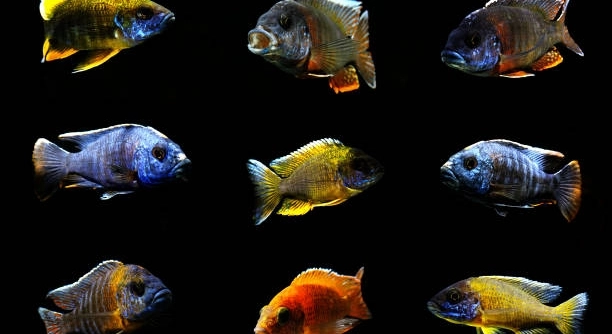
African cichlids are beautiful fish that many people enjoy keeping in home aquariums. Sometimes, their fins can get damaged, which worries many fish keepers. Understanding what causes fin damage helps in caring for these colorful fish properly.
Fin damage in African cichlids can result from various factors including physical injury, poor water quality, bacterial or fungal infections, fin nipping by tank mates, stress, nutritional deficiencies, and improper tank conditions. Identifying these causes is essential for prevention and treatment.
Knowing the common causes of fin damage can help you protect your cichlids and maintain a healthy aquarium environment. This article will explain the main reasons behind fin problems in a clear and simple way.
Physical Injury
Physical injury is one of the most common reasons for fin damage in African cichlids. These fish can get hurt by sharp decorations, rough gravel, or even during aggressive interactions with other fish. Sometimes, when cichlids chase or fight each other, fins can get torn or bitten. It is important to check your tank for any objects that might harm your fish and remove anything that has sharp edges. Also, choosing compatible tank mates can reduce fighting and prevent injuries. Injured fins make fish vulnerable to infections, so quick action is necessary. Regular observation helps catch injuries early before they worsen. Keeping the tank clean and stress low supports faster fin healing and reduces risks.
Injuries often happen during tank changes or when new fish are introduced. Always monitor fish behavior closely during these times to avoid fights or accidents.
Maintaining a safe and peaceful environment for your African cichlids is essential. Remove sharp objects, choose the right companions, and watch for signs of injury. Simple steps like these protect their fins and keep your fish healthy and happy in their tank.
Poor Water Quality
Poor water quality is a major cause of fin damage in African cichlids. Dirty water can irritate fish fins and make them weak, increasing the chance of tears and infections. Ammonia, nitrites, and nitrates build up quickly if the tank is not cleaned regularly. These chemicals cause stress and damage the delicate fin tissue. Testing water frequently and doing regular water changes are necessary to keep the environment safe. Proper filtration also plays a big role in removing waste and toxins from the water. Without clean water, even minor injuries can worsen, leading to severe fin problems. Keeping water quality high supports fin regeneration and overall fish health.
Bacterial and Fungal Infections
Bacterial and fungal infections often cause fin rot in African cichlids. These infections start when fins are damaged or water quality is poor.
Bacteria thrive in tanks with bad water conditions and can infect torn fins quickly. Fungal infections usually appear as white or gray fuzzy patches on the fins. Both infections cause the fins to look ragged and can spread fast if untreated. Proper diagnosis and treatment with antibacterial or antifungal medication are important to stop the infection and help fins heal. Quarantining sick fish can prevent infections from spreading to healthy tank mates.
Keeping the tank clean and maintaining stable water conditions reduces the chances of infections. Good nutrition also boosts the fish’s immune system, helping them fight off disease naturally. If you notice any signs of infection, act fast to protect your cichlids from serious fin damage.
Fin Nipping by Tank Mates
Fin nipping happens when other fish in the tank bite at your cichlid’s fins. This behavior can cause painful tears and stress.
Some species are more aggressive and may nip fins out of boredom or dominance. Overcrowding and lack of hiding spaces increase aggression and fin nipping incidents. Keeping enough space and decorations helps reduce aggression. Also, choosing peaceful tank mates limits fin damage from nipping. Observation is key to identifying nippers early. If fin nipping is severe, separating the aggressive fish or changing the community setup may be necessary to protect your cichlids’ fins.
Stress
Stress weakens African cichlids and makes their fins more likely to get damaged. Stress comes from overcrowding, poor water quality, or constant aggression from other fish.
Reducing stress by improving tank conditions and providing hiding spots helps fish stay healthy. Calm fish heal faster and avoid fin damage more easily.
Nutritional Deficiencies
Poor diet can lead to weak fins that tear easily. African cichlids need balanced food with vitamins and minerals for strong fins. Feeding high-quality pellets, flakes, and occasional live or frozen food ensures they get proper nutrition.
A well-fed cichlid has better immune defenses and quicker fin recovery. Avoid overfeeding or relying on one food type to keep fins healthy.
Improper Tank Conditions
Incorrect tank size, bad substrate, or unsuitable decorations can harm fins. Too small a tank causes stress and aggression, while rough gravel or sharp objects can tear fins on contact. Always use smooth decorations and enough space for fish to swim freely to protect their delicate fins.
FAQ
How can I tell if my African cichlid’s fins are damaged?
Look for signs like frayed or torn edges, missing fin parts, discoloration, or white spots. Fish may also swim awkwardly or hide more if their fins hurt. Regular observation helps catch damage early, so you can act quickly.
What should I do if I notice fin damage?
First, check your water quality and clean the tank if needed. Remove sharp decorations that might have caused injury. If infection is suspected, treat the fish with appropriate medication. Isolate injured fish to prevent further harm and stress.
Can fin damage heal on its own?
Yes, fins can regrow if the damage is minor and the environment is healthy. Clean water, good nutrition, and low stress support healing. Severe damage or infections might need treatment to help fins recover fully.
How often should I test my aquarium water?
Testing water weekly is ideal, especially for ammonia, nitrite, nitrate, and pH levels. Consistent testing prevents harmful buildup that can damage fish fins and cause stress or illness.
What foods are best for strong fins in African cichlids?
High-quality pellets or flakes formulated for cichlids provide essential nutrients. Supplement with live or frozen foods like brine shrimp or bloodworms for extra vitamins. Avoid overfeeding to prevent water pollution and stress.
Can fin nipping be stopped without removing the aggressive fish?
Sometimes yes, by adding more hiding spots and rearranging tank decorations. Increasing tank size or reducing fish numbers can help too. If aggression continues, separating the aggressive fish may be the safest option.
Is quarantine necessary for new fish?
Yes, quarantining new fish for two weeks helps prevent introducing diseases or parasites that can cause fin damage. It also reduces stress for the new fish before adding them to the main tank.
How important is tank size for preventing fin damage?
Tank size affects fish behavior and stress. Crowded tanks increase aggression and injuries. A spacious tank allows cichlids to establish territories and reduces chasing and nipping. Following recommended tank sizes based on species is crucial.
Can stress alone cause fin damage?
Stress weakens the immune system and makes fins more prone to injury and infection. Causes include poor water quality, overcrowding, or aggressive tank mates. Reducing stress by improving tank conditions helps protect fins.
Are there signs that fin damage is caused by infection?
Infected fins often look ragged with red or white edges, sometimes showing fuzzy growth or discoloration. Fish might also act lethargic or lose appetite. Immediate treatment with antibacterial or antifungal medication is important to stop infections.
What are the best treatments for fin rot?
Medications containing antibiotics or antifungals are effective for fin rot. Follow product instructions carefully and keep water clean. Improving water quality and reducing stress support healing during treatment.
Can poor nutrition cause fin problems even if water quality is good?
Yes, inadequate nutrients weaken fins and slow healing. Balanced diets rich in vitamins and minerals are necessary to keep fins strong and healthy, even in perfect water conditions.
How long does it take for fins to regrow?
Fin regrowth varies from a few weeks to several months depending on damage severity and tank conditions. Healthy environments speed up the healing process.
Should I remove aggressive fish from the tank immediately?
Not always immediately, but if fin nipping or fighting causes repeated injuries, it is best to separate aggressive fish to protect others. Preventing stress and injury is key to a healthy aquarium.
Can tank decorations cause fin damage?
Yes, sharp or rough decorations and gravel can tear fins. Use smooth, fish-safe items and avoid overcrowding decorations to give fish plenty of space to swim freely without injury.
African cichlids are beautiful and lively fish that bring a lot of joy to any aquarium. However, their fins are delicate and can easily get damaged if certain conditions are not met. Understanding the common causes of fin damage, such as physical injury, poor water quality, infections, fin nipping, stress, poor nutrition, and improper tank setup, is important for keeping your fish healthy. By being aware of these factors, you can take simple steps to protect your cichlids and make sure their fins stay strong and whole.
Taking good care of your aquarium environment plays a big role in preventing fin damage. Regular water testing and cleaning help keep harmful chemicals at safe levels and reduce the risk of infections. Choosing tank decorations that are smooth and safe avoids accidental fin tears, while providing enough space and hiding spots helps reduce aggression between fish. Feeding a balanced diet with proper nutrients also supports fin growth and healing. Keeping stress low by monitoring fish behavior and maintaining a stable environment helps your cichlids stay healthy and resilient.
It is natural for some fin damage to happen from time to time, but acting quickly can make all the difference. When you notice signs of injury or infection, addressing the problem right away with water changes, treatment, or adjusting tank conditions will help your fish recover faster. Watching your fish regularly and learning how to spot early signs of trouble will allow you to enjoy your African cichlids with less worry. Simple care and attention go a long way in ensuring your fish live happy, healthy lives with beautiful fins.

Hello,
If you enjoy the content that we create, please consider saying a "Thank You!" by leaving a tip.
Every little bit helps us continue crafting quality advice that supports the health, happiness, and well-being of pets around the world, for pets of all shapes, sizes, and species.
We really appreciate the kindness and support that you show us!