
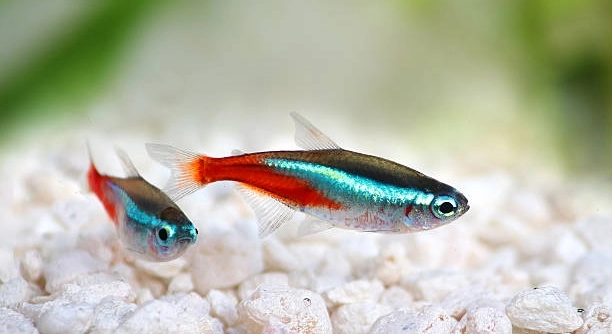
Excessive waste in Tetra tanks can cause frustration for many hobbyists who want to keep their aquatic environment clean and balanced. Managing waste effectively is important for the health of fish and the overall tank ecosystem. Understanding the causes can help improve tank maintenance.
The primary causes of excessive waste in Tetra tanks include overfeeding, inadequate filtration, poor water circulation, high fish density, decaying plant matter, leftover food, and infrequent cleaning. Each factor contributes to the buildup of organic waste that impacts water quality.
Knowing these causes helps tank owners prevent waste buildup and maintain a healthier environment for their Tetras and other aquatic life.
Overfeeding
Overfeeding is one of the most common reasons for excessive waste in Tetra tanks. When fish receive more food than they can eat, the leftovers sink to the bottom and start to decompose. This decomposing food releases harmful substances like ammonia into the water, which can stress or harm the fish. Over time, this waste buildup affects water clarity and quality, making it harder to maintain a healthy environment. Many people feed their fish multiple times a day or offer large portions, thinking it’s better for the fish, but this often leads to more harm than good. It’s best to feed small amounts that fish can consume within a few minutes. Watching their eating habits closely helps avoid waste and keeps the tank cleaner. Adjusting feeding routines is a simple way to reduce waste and improve tank health.
Feeding the right amount is key. Less food means less leftover waste and a cleaner tank.
Adjusting feeding habits is a straightforward method to control waste. Feeding only what the fish can eat quickly limits leftover food, reducing decay and ammonia buildup. This practice helps maintain better water quality, making it easier to care for the tank. Proper feeding supports healthier fish and a more stable environment overall.
Inadequate Filtration
Poor filtration can lead to the accumulation of waste materials in the tank, affecting water quality and fish health. Filters are designed to remove debris, chemicals, and harmful substances, but when they are not strong enough or are clogged, they fail to do their job properly. A weak or dirty filter allows waste to build up, making the water cloudy and unsafe. Choosing the right filter size and type is essential for the tank’s size and the number of fish. Regular filter maintenance, like cleaning or replacing filter media, ensures the system works efficiently. Without proper filtration, the waste breaks down and creates toxins, which can harm fish and promote algae growth. Keeping the filter in good condition is a vital part of managing waste and maintaining a balanced tank.
A strong, well-maintained filter keeps the tank cleaner and healthier.
Filters need proper care and the right capacity for the tank. A filter that matches the tank size helps remove waste effectively. Overloaded or clogged filters reduce water flow and let waste accumulate. Routine maintenance, like rinsing sponges or changing cartridges, keeps the filter working well. Investing in a good filtration system supports clear water and happy fish, reducing waste buildup and promoting a healthier aquatic environment.
Poor Water Circulation
Poor water circulation causes waste to settle in certain areas, creating pockets of debris. Without proper movement, these spots can become dirty and affect fish health. Good circulation helps distribute oxygen and keeps waste suspended for filtration.
When water doesn’t move well, leftover food and fish waste sink and collect at the tank’s bottom. This buildup can cause harmful bacteria to grow, which lowers water quality and stresses the fish. Proper circulation prevents dead zones and keeps the tank environment stable. Using air pumps, powerheads, or adjusting filter output can improve flow. Keeping water moving also helps distribute heat evenly and supports beneficial bacteria growth that breaks down waste naturally.
Improving circulation is a simple way to reduce waste buildup. It helps filters catch debris more easily and supports a healthier tank environment overall. Regularly checking water flow ensures that waste does not accumulate in hard-to-clean areas.
High Fish Density
Overcrowding a Tetra tank increases waste quickly, making it harder to keep water clean. Too many fish produce more waste than the tank can handle comfortably, affecting oxygen levels and water quality.
High fish density raises ammonia and nitrate levels faster than the tank can process. This creates stress and health problems for fish. With limited space, fish also produce more solid waste that settles on the substrate, causing frequent cleaning needs. Overstocked tanks require stronger filtration and more frequent water changes to maintain balance. Planning the number of fish based on tank size and filter capacity helps keep waste manageable. Reducing overcrowding improves water quality and fish wellbeing.
Keeping the right number of fish is crucial. Less crowding means less waste and a more stable environment for Tetras to thrive. Proper stocking supports long-term tank health and easier maintenance.
Decaying Plant Matter
Dead or dying plants add to waste in the tank. As they break down, they release organic material that pollutes the water. Removing decayed leaves regularly helps keep the tank cleaner.
Healthy plants support the tank, but decaying ones increase waste. Keeping plants trimmed and removing damaged parts reduces this problem.
Leftover Food
Uneaten food quickly decomposes and raises waste levels. Feeding the right amount prevents leftovers that pollute the water.
Feeding only what fish consume reduces excess waste and helps maintain water quality.
Infrequent Cleaning
Skipping regular tank cleaning allows waste to build up over time. This causes water quality to drop and can harm fish. Consistent cleaning routines are essential for waste control and a healthy tank.
FAQ
What causes excessive waste buildup in Tetra tanks?
Excessive waste buildup usually comes from overfeeding, poor filtration, overcrowding, decaying plants, leftover food, and irregular cleaning. Each of these factors increases organic matter in the tank, which breaks down and pollutes the water. Managing these helps keep the tank balanced.
How can I reduce waste from overfeeding?
Feed small amounts that your Tetras can eat within two to three minutes. Avoid leaving extra food in the tank. Watching your fish during feeding helps prevent waste buildup from uneaten food, keeping the water cleaner.
What type of filter is best for a Tetra tank?
A filter that matches your tank size and fish load is ideal. Canister or hang-on-back filters usually provide good mechanical and biological filtration. Make sure to clean the filter regularly to keep it working efficiently.
How often should I clean my Tetra tank?
Partial water changes and substrate cleaning should happen every one to two weeks. This prevents waste buildup without disturbing the tank’s balance too much. More frequent cleaning might be needed for heavily stocked tanks.
Why is water circulation important in a Tetra tank?
Good water flow helps move waste toward the filter and prevents dead zones where debris can accumulate. It also distributes oxygen evenly, which supports fish health and beneficial bacteria growth.
Can plants help reduce waste in a Tetra tank?
Yes, live plants absorb some nutrients and help improve water quality. But dead or decaying plant matter adds waste, so removing dying leaves regularly is important to prevent pollution.
What happens if the tank is overcrowded?
Too many fish produce more waste than the tank can handle. This raises harmful substances like ammonia and nitrate, which stress fish and make water maintenance harder. Keeping the right fish number is important.
How does leftover food affect water quality?
Leftover food breaks down quickly and releases ammonia, increasing toxic compounds in the water. This harms fish and promotes algae growth. Feeding carefully limits leftover food and improves tank health.
What signs show that waste buildup is a problem?
Cloudy water, strong odors, algae overgrowth, and stressed or sick fish often indicate waste issues. Testing water parameters like ammonia, nitrite, and nitrate can confirm the problem.
Can frequent water changes solve waste problems?
Water changes reduce waste levels and refresh the tank environment. They are effective when combined with proper feeding, filtration, and cleaning practices. Relying only on water changes without fixing causes leads to ongoing problems.
How can I maintain a clean substrate?
Use a gravel vacuum during water changes to remove debris and uneaten food from the bottom. Regular cleaning prevents waste buildup in the substrate, keeping water clearer and healthier for fish.
Is it okay to have many decorations or plants in the tank?
Decorations and plants can provide hiding spots and improve the tank’s look, but too many can trap waste and make cleaning harder. Balance is key—choose items that are easy to clean and maintain.
What role do beneficial bacteria play in waste management?
Beneficial bacteria break down harmful ammonia and nitrite into less toxic nitrate. A well-established bacterial colony helps keep the tank’s nitrogen cycle stable, reducing the impact of waste buildup.
How do I prevent algae growth caused by waste?
Algae thrive on excess nutrients from waste. Controlling feeding, maintaining filtration, removing decaying matter, and keeping up with water changes limit these nutrients and reduce algae growth.
What should I do if my Tetra tank’s water quality keeps dropping?
Review feeding habits, stocking levels, filtration, and cleaning routines. Test water parameters to identify problems. Adjust care practices and consider consulting with aquarium experts if needed.
Final Thoughts
Keeping a Tetra tank clean and healthy requires paying attention to several important factors. Excessive waste buildup is a common issue that can make the tank environment difficult to manage. By understanding the main causes like overfeeding, poor filtration, overcrowding, and decaying plants, it becomes easier to prevent waste from accumulating. Small changes in daily care, such as feeding the right amount and maintaining the filter, can make a big difference in water quality. Consistency in these habits supports a balanced tank where fish can thrive without stress.
Regular tank maintenance is also key to avoiding excessive waste. Cleaning the tank every one to two weeks, performing partial water changes, and removing leftover food or dead plant matter all help keep waste levels down. Good water circulation and proper stocking reduce areas where debris can collect and lower the overall waste produced in the tank. These steps work together to create a healthier environment for your Tetras. It may seem like a lot at first, but over time these routines become easier and more natural, helping to prevent many common problems.
Ultimately, managing waste in a Tetra tank is about being mindful and consistent with care. Each small effort to control feeding, cleaning, and equipment maintenance adds up to a big impact on tank health. A well-kept tank not only looks better but also supports the wellbeing of your fish. Taking time to monitor your tank and adjust as needed helps avoid issues before they become serious. With patience and attention, it’s possible to enjoy a beautiful, low-waste tank that provides a safe home for your Tetras for years to come.

Hello,
If you enjoy the content that we create, please consider saying a "Thank You!" by leaving a tip.
Every little bit helps us continue crafting quality advice that supports the health, happiness, and well-being of pets around the world, for pets of all shapes, sizes, and species.
We really appreciate the kindness and support that you show us!