
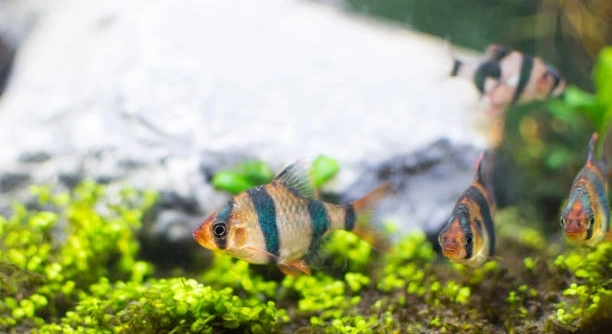
Early aggression among barb tankmates can be frustrating for any aquarist. These lively fish sometimes show unexpected hostility that disrupts the peaceful environment of a community tank. Understanding the causes helps maintain harmony and a healthier aquatic space.
Early aggression in barb tankmates often results from factors such as overcrowding, territorial behavior, insufficient hiding spots, improper tank size, lack of compatible species, poor water conditions, and stress caused by sudden changes. These conditions trigger competitive and defensive actions among fish.
Recognizing these causes can guide effective solutions to reduce aggression and promote a calm and balanced tank environment for your barbs.
Overcrowding and Territorial Behavior
Overcrowding is a common cause of early aggression among barb tankmates. When too many fish are placed in a tank that is too small, it limits the swimming space and increases stress levels. Barbs are active swimmers and need room to establish their own territories. Without enough space, they often compete for dominance, leading to fights. Territorial behavior becomes more intense when barbs feel their area is being invaded. This aggression is a natural response to protect their space and resources like food and hiding spots. Providing ample space and avoiding overcrowding can reduce this tension and help fish coexist more peacefully. Additionally, the presence of clear territories helps barbs feel secure, reducing the urge to display aggressive behavior. Watching the tank setup and making sure it suits the number of barbs can greatly improve the overall tank harmony.
Limiting the number of barbs per tank helps lower aggression and gives each fish enough space to thrive comfortably.
Creating distinct areas with decorations or plants can also help reduce fights by giving fish their own zones.
Incompatible Tankmates and Stress Factors
Mixing barbs with incompatible species or sudden changes in the tank environment can cause stress and increase aggression. Barbs may become hostile if they share the tank with more passive fish that cannot defend themselves or with other aggressive species that provoke constant fighting. Stress from poor water quality, sudden temperature shifts, or abrupt changes in lighting can also trigger defensive behavior. Keeping a consistent and stable environment is essential for calming your barbs. Regular water testing, gradual adjustments, and choosing compatible tankmates are key steps to reducing stress. When barbs feel threatened or stressed, their natural response is often to act aggressively to protect themselves. This behavior can be minimized by careful planning of the tank community and maintaining stable living conditions.
Proper tank maintenance and selecting peaceful species that match barbs’ temperament prevent many conflicts and stress-related aggression. A balanced environment supports healthier social interactions and improves the well-being of all fish in the aquarium.
Lack of Hiding Spots
Barbs need places to retreat when feeling threatened. Without enough hiding spots, their stress levels rise, leading to increased aggression. Plants, rocks, and decorations help create these safe areas.
Providing sufficient hiding places lowers tension by giving fish a break from constant interaction. It allows shy or weaker barbs to avoid conflicts, reducing overall stress in the tank. When hiding spots are scarce, dominant fish may feel more inclined to chase others aggressively. Adding varied decorations creates natural barriers that interrupt sightlines and lessen confrontations. This environment encourages peaceful coexistence by respecting each fish’s need for space.
Including plenty of plants and structures balances social dynamics and improves the mood of your barbs. It helps prevent bullying by allowing fish to escape and rest.
Improper Tank Size
A tank that is too small restricts movement and increases stress for barbs. These active fish require space to swim freely and avoid conflicts. Overcrowded conditions make it difficult for them to establish territories, causing fights.
Choosing a tank size appropriate for the number of barbs is essential to reduce aggression. Each barb needs enough room to express natural behaviors without feeling crowded. Larger tanks also help maintain better water quality, which affects fish health and behavior. Crowding leads to competition for resources, elevating tension and hostility. Investing in a suitable tank size supports a calmer and healthier community, making maintenance easier for the owner. Proper space allows barbs to interact naturally without overwhelming stress or aggression.
Poor Water Conditions
Dirty or unbalanced water increases stress and aggression among barbs. Regular water changes and proper filtration are crucial. Maintaining stable pH, temperature, and ammonia levels helps keep fish healthy and calm.
Neglecting water quality weakens fish immune systems, making them more prone to fighting. Clean water supports peaceful behavior and overall well-being.
Sudden Changes in Environment
Abrupt changes like moving the tank, altering lighting, or adding new fish can stress barbs and trigger aggression. Gradual adjustments help fish adapt better.
Maintaining a stable environment prevents unnecessary stress. Sudden disruptions cause fish to act defensively until they feel secure again.
Lack of Compatible Tankmates
Barbs do best with other active, similarly sized fish. Mixing with overly passive or aggressive species often leads to fights and stress.
Choosing compatible tankmates reduces conflict and helps create a more balanced, peaceful aquarium community.
FAQ
Why are my barbs aggressive towards new tankmates?
Barbs can be territorial, especially when new fish enter their space. They may see newcomers as threats, triggering aggressive displays. This behavior helps them protect their established territory and social order within the tank. Introducing new fish slowly and ensuring enough space helps ease tension. Gradual acclimation and providing plenty of hiding spots can also reduce hostility during the adjustment period.
How can I reduce aggression without changing my tank setup?
Sometimes, simple changes in feeding routines or adding distractions like plants can help. Feeding your barbs regularly and in multiple spots prevents competition over food. Adding plants or decorations breaks sightlines and offers visual barriers, which can calm aggressive fish. Consistent water quality and stable conditions also play a big role in keeping barbs less aggressive.
Is it normal for barbs to nip fins of other fish?
Yes, fin nipping is common among barbs because of their active and sometimes aggressive nature. They may nip fins to assert dominance or out of boredom. Providing enough space, hiding places, and keeping a group of barbs together can reduce this behavior. Avoid keeping barbs with slow-moving or long-finned species that are more vulnerable to nipping.
Can aggression among barbs indicate health problems?
Aggression can sometimes be a sign of stress caused by illness or poor water quality. Sick or stressed fish may act more defensively. Regularly checking water parameters and observing fish for signs of disease helps catch problems early. Maintaining a clean tank and balanced environment supports both health and social harmony.
How many barbs should be kept together to minimize fighting?
Keeping barbs in groups of six or more helps spread aggression evenly and prevents any single fish from being targeted. Barbs are schooling fish and feel safer in numbers. A larger group reduces bullying and creates a more natural social structure, which helps keep peace.
What tank size is best for a group of barbs?
A tank of at least 30 gallons is recommended for six or more barbs. This size provides enough space for swimming and establishing territories. Larger tanks offer better water stability and reduce stress. Overcrowding in smaller tanks often leads to increased aggression and health problems.
Should I separate aggressive barbs from the group?
Separating highly aggressive barbs can help prevent injury but should be a temporary solution. Often, improving tank conditions, space, or group size reduces aggression without needing isolation. If a fish is severely injured or causing harm, a separate tank may be necessary while resolving underlying issues.
Do barbs become less aggressive as they mature?
Aggression often peaks when barbs are young and establishing their social order. As they mature and roles settle, aggression may decrease. However, some individual fish remain more dominant or territorial throughout life. Proper tank setup and group size help manage these behaviors over time.
Can diet affect barb aggression?
Yes, poor nutrition or irregular feeding can increase competition and aggression. Providing a balanced diet with regular feeding times helps reduce stress and fighting. Feeding multiple times a day in different locations ensures all fish get enough food and lowers competition.
Are some barb species more aggressive than others?
Certain barb species, like tiger barbs, are known for higher aggression levels compared to others. Knowing your species’ temperament helps in planning tankmates and tank size. Some barbs are more peaceful and better suited for community tanks. Researching species behavior before buying helps avoid conflicts.
What role does tank decoration play in barb aggression?
Decorations like plants, rocks, and caves create territories and hiding spots, reducing direct encounters that lead to fights. Breaking up open swimming areas allows shy or less dominant fish to escape aggression. Well-planned decoration improves social balance and lowers stress.
How often should water be changed to keep aggression low?
Regular water changes—about 25% weekly—maintain clean, healthy conditions that reduce stress-related aggression. Poor water quality makes fish more irritable and prone to fighting. Consistent maintenance supports a peaceful, stable environment for barbs and their tankmates.
Can lighting affect barb behavior?
Bright or inconsistent lighting can increase stress and aggressive behavior. Providing a natural day-night cycle with moderate lighting helps fish feel secure. Using plants or decorations to create shaded areas also allows fish to avoid bright light when needed, calming their behavior.
Is it better to have only barbs in a tank to avoid aggression?
Having only barbs can reduce aggression caused by incompatible tankmates, but it doesn’t eliminate all fighting. Barbs are naturally active and sometimes aggressive even among themselves. Proper group size, tank size, and environment are still necessary to keep peace.
How do I know if aggression is a serious problem?
If you notice injuries, constant chasing, or stressed fish hiding excessively, aggression may be a serious issue. Persistent fighting harms health and reduces fish lifespan. Addressing tank conditions, group size, or species compatibility quickly helps prevent long-term problems.
Can adding more plants reduce aggression?
Yes, adding live or artificial plants provides shelter and breaks visual contact between fish. This helps reduce stress and territorial fights by creating safe spaces. Plants also improve water quality by absorbing nitrates, further supporting a calm tank environment.
What should I do if aggression suddenly increases?
Check water quality, tank conditions, and any recent changes. Sudden aggression often links to stress from poor water, illness, or environmental shifts. Correcting issues and maintaining stability usually calms fish. Isolating injured fish may be necessary until harmony returns.
Barb tankmate aggression can be challenging but understanding its causes makes managing it easier. Aggression often results from environmental stress, overcrowding, poor water quality, or incompatible tankmates. Each factor plays a role in how barbs interact, and recognizing these helps create a better living space for the fish. Proper tank size, stable water conditions, and enough hiding spots reduce tension and allow barbs to behave naturally. Paying attention to these details is important for anyone keeping barbs in a community tank.
Maintaining a balanced environment is key to reducing aggressive behavior. Barbs need room to swim, safe places to retreat, and compatible companions to thrive. Overcrowding limits their space and increases stress, making fights more likely. Sudden changes in the tank, such as adding new fish or altering conditions too quickly, can also trigger aggression. Consistency and careful planning improve how well barbs coexist. Feeding routines, tank decorations, and water quality also contribute to calmer, healthier fish.
Taking steps to manage aggression helps protect the health and well-being of your barbs and their tankmates. While some level of territorial behavior is natural, excessive fighting can cause injury and stress. Observing your fish regularly and making adjustments when needed prevents small problems from growing. Providing a stable, spacious, and thoughtfully arranged tank supports peaceful social interactions. With the right care, barbs can live harmoniously and bring enjoyment to your aquarium setup.

Hello,
If you enjoy the content that we create, please consider saying a "Thank You!" by leaving a tip.
Every little bit helps us continue crafting quality advice that supports the health, happiness, and well-being of pets around the world, for pets of all shapes, sizes, and species.
We really appreciate the kindness and support that you show us!