
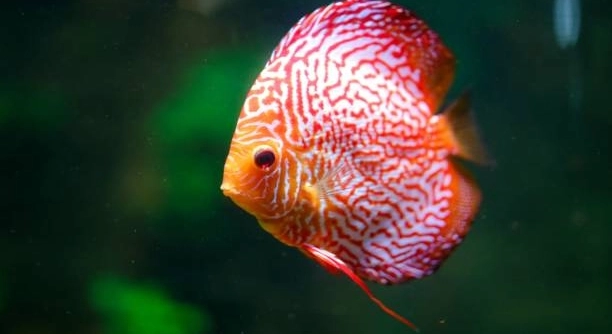
Do you ever find yourself worried when your discus starts rubbing against tank objects or darting around in short, sharp bursts?
Discus flashing is typically caused by external parasites, water quality issues, stress from sudden changes, or skin irritation from chemical residue. Identifying the source is essential for ensuring proper care and restoring normal behavior.
This article explains the most common causes behind this behavior and how each one can impact your discus’s comfort and health in the tank.
External Parasites
External parasites like gill flukes, skin flukes, or protozoa can irritate your discus and trigger flashing behavior. These tiny invaders attach to the skin or gills, making your fish uncomfortable. You may notice your discus rubbing its body against hard surfaces or showing signs of labored breathing and fin clamping. Flashing is often one of the earliest visible signs. If left untreated, parasites can weaken your fish’s immune system. Maintaining a quarantine tank for new arrivals and using appropriate anti-parasitic treatments is important. Scraping and microscopic examination can help confirm their presence before starting treatment with products like praziquantel or formalin.
Quick treatment is important. The longer the parasites remain, the more stressed and prone to illness your discus becomes.
After treating for parasites, monitor water conditions and reduce any unnecessary handling. Keep the tank lights dim during treatment. Consistency helps your discus recover faster and prevents recurring outbreaks that could harm your fish long term.
Poor Water Quality
Poor water quality is one of the most common causes of flashing. Dirty water irritates the skin and gills and lowers your discus’s ability to fight off infection.
Ammonia, nitrite, and nitrate levels must be consistently monitored to keep your discus healthy. Even small fluctuations can cause stress and trigger unusual behavior like flashing. Make sure your filtration is working efficiently and that you’re doing regular water changes. Use a reliable test kit at least once a week, and remember to dechlorinate tap water properly. Poor oxygenation or extreme temperatures can also be irritating, especially if they shift suddenly. Maintaining clean, stable water gives your discus the best chance at long-term health. Overfeeding and overcrowding are common issues in community tanks, so try to keep feeding light and consistent while avoiding unnecessary tank mates. Pay attention to your tank’s parameters—it makes a noticeable difference in how your discus feels.
Sudden Environmental Changes
Discus are sensitive to changes in their environment. A quick shift in temperature, pH, or hardness can lead to flashing as the fish try to adjust or signal discomfort. Stability is more important than chasing ideal numbers.
If you recently added new water that was colder or had a different pH, this could trigger stress. Sudden changes shock the discus’s system and affect their slime coat, making them feel itchy or irritated. Even switching filter media too quickly or cleaning too thoroughly can cause these shifts. Always try to match new water to your tank’s conditions as closely as possible. When cleaning the tank or changing water, avoid disturbing too much at once. Keep a log of your maintenance routine and test results. Watching your discus closely after changes can help you catch and fix issues early before they lead to flashing or other signs of distress.
You can also reduce the risk of flashing by using a heater that maintains stable temperatures and conditioning new water before adding it. Try testing your tap water beforehand and adjusting it gradually if needed. Add new water slowly during water changes. Let your discus adjust at their own pace, and always give them time to recover after a shift in the environment.
Chemical Irritants
Discus are extremely sensitive to chemicals like chlorine, chloramine, heavy metals, or cleaning agents. Even tiny traces can irritate their skin and gills, causing them to flash against objects to find relief.
If you use tap water, always treat it with a reliable water conditioner that removes both chlorine and chloramine. Make sure hands, nets, and buckets are free from soap or detergents. Air fresheners or sprays near the tank can also contaminate the water. If flashing happens right after a water change, suspect chemicals. Many hobbyists overlook residue from equipment or new decorations—rinse everything well before adding to the tank. Activated carbon can help remove lingering toxins, but it’s still best to prevent exposure in the first place. When using medications, always read the label carefully. Some treatments can cause irritation if overdosed or used incorrectly. Keeping the environment clean and chemical-free goes a long way toward preventing stress reactions.
Stress from Aggression or Overcrowding
Too many fish in one tank can cause discus to feel cornered, leading to stress and flashing. They need space to swim without bumping into others constantly.
Aggressive tank mates or even other discus can bully weaker ones, causing constant stress. This can make them flash or hide frequently.
Poor Diet and Vitamin Deficiency
A diet lacking essential nutrients can weaken a discus’s immune system and affect its skin and gill health. This can result in itching and flashing. High-quality, varied food is important—frozen, pellet, and flake options should be rotated. Include vitamin-enriched choices and consider adding liquid supplements directly to the food. Watch for signs of dull coloration or poor appetite, as they may signal a dietary problem. Garlic extract and probiotics can support digestion and boost immune strength. Avoid feeding the same thing every day. If your discus is flashing and other causes are ruled out, try improving its diet for a few weeks and observe any changes in behavior.
Maturing or Breeding Behavior
Some flashing during mating periods is normal, especially in pairs preparing to spawn. They may clean surfaces and flash more frequently as part of the process.
FAQ
Why is my discus flashing but no parasites are visible?
Sometimes parasites are present in very low numbers or hide deep in the gills where they are hard to see. Flashing can also be a response to water quality issues, chemical irritants, or stress. Regular water testing and monitoring behavior are essential to find the cause. If unsure, treating preventively for parasites under guidance is often helpful.
How long does flashing last if caused by parasites?
With proper treatment, flashing usually decreases within a few days to a week. The parasite’s life cycle is disrupted, and irritation eases. If flashing continues beyond two weeks, reassess water conditions or consider other causes.
Can poor water quality cause permanent damage?
Yes, prolonged exposure to high ammonia or nitrite levels can damage gills and skin, leading to chronic flashing or other health issues. Maintaining stable water parameters is critical for recovery and long-term health.
Is flashing always a sign of illness?
No, sometimes flashing can be a temporary reaction to minor irritation or environmental changes. However, frequent or prolonged flashing should never be ignored as it may signal an underlying problem needing attention.
What water parameters are ideal to prevent flashing?
Discus thrive in warm, soft, slightly acidic water. Ideal temperature ranges from 82°F to 86°F (28°C to 30°C), pH between 6.0 and 7.0, and very low ammonia and nitrite levels (0 ppm). Nitrate should be kept below 20 ppm with regular water changes.
How can I reduce stress in my discus tank?
Keep the tank well-maintained with stable conditions, avoid sudden changes, limit aggressive or overcrowded tank mates, and provide hiding spots. A peaceful environment helps reduce flashing caused by stress.
Are there medications safe for treating parasites in discus?
Yes, praziquantel and formalin are commonly used, but dosage must be precise to avoid harming discus. Always follow instructions and consider quarantining affected fish during treatment. Avoid copper-based medications unless specifically recommended for discus.
Can flashing be caused by breeding behavior?
Yes, discus may flash more as they clean surfaces during breeding or show readiness to spawn. This flashing is usually short-lived and accompanied by other breeding behaviors like pairing and nest preparation.
What should I do if flashing occurs after a water change?
Check the new water for temperature, pH, and chemical content. Adjust water parameters slowly to match the tank. Ensure water is treated for chlorine and chloramine. Flashing after water changes often points to sudden environmental shifts or chemical irritants.
How important is quarantine for new discus?
Very important. Quarantining new discus for at least two weeks helps detect and treat parasites or diseases before introducing them to your main tank, reducing flashing and stress for all fish.
Can poor diet cause flashing?
Yes, inadequate nutrition weakens immune defenses, making discus more sensitive to irritations and parasites. Providing a balanced diet with vitamins and supplements supports healthy skin and reduces flashing caused by deficiency.
Is flashing contagious to other fish?
Flashing itself is not contagious, but the underlying causes like parasites or poor water quality can affect the whole tank. Treating the entire system and isolating sick fish helps prevent spread.
How often should I test my discus tank water?
Test water at least once a week, focusing on ammonia, nitrite, nitrate, pH, and temperature. More frequent testing may be necessary during treatments or if flashing is observed.
Can flashing cause permanent damage?
If the cause is untreated and irritation persists, flashing behavior can indicate skin damage or weakened immunity. Early intervention prevents long-term harm.
What are signs of recovery from flashing?
Discus will stop rubbing against objects, display normal swimming patterns, and regain vibrant color. Appetite improves, and signs of stress like fin clamping decrease.
Should I change tank decorations if discus keep flashing?
If rough or sharp objects cause physical irritation, replacing or smoothing them helps reduce flashing. Sometimes new decorations can also leach chemicals, so rinsing or avoiding certain materials is important.
Can lighting affect flashing?
Bright or flickering lights can stress discus and lead to flashing. Soft, consistent lighting and places to hide or rest in shaded areas help minimize stress-related flashing.
Is flashing more common in certain discus varieties?
Some color strains may be more sensitive due to thinner skin or genetics, but flashing is generally related to environmental factors rather than breed. Proper care benefits all discus equally.
How can I tell if flashing is due to a skin infection?
Look for redness, swelling, or visible lesions on the skin along with flashing. Bacterial or fungal infections often follow irritation and require specific treatments beyond parasite medications.
What role does tank size play in flashing?
Small tanks with poor water quality or overcrowding increase stress, leading to flashing. Larger tanks with stable conditions offer a healthier environment and reduce flashing incidents.
Final thoughts on discus flashing highlight the importance of paying close attention to your fish’s behavior and environment. Flashing is a clear sign that something is causing discomfort, whether it’s parasites, water quality issues, or stress. Ignoring this behavior can lead to more serious health problems over time. Taking prompt action by checking water parameters, examining for parasites, and maintaining a stable environment helps keep your discus healthy and comfortable. Being proactive with tank care reduces the chances of flashing and supports the overall wellbeing of your fish.
A healthy discus tank requires consistent maintenance and care. Regular water testing, proper feeding, and careful observation of your fish’s behavior are essential. Avoid sudden changes in temperature or water chemistry, as discus are sensitive and can react quickly to disturbances. Quarantining new fish before adding them to the main tank helps prevent the introduction of parasites and diseases. Providing enough space and minimizing aggression from tank mates also lowers stress levels, which is a key factor in preventing flashing. Keeping the tank clean and free of chemical irritants adds another layer of protection for your discus.
Understanding the causes of flashing and how to respond to it will improve your experience as a discus keeper. While some causes, like breeding behavior, are natural, most flashing results from conditions that can be managed or corrected. Patience and careful care will allow your discus to thrive and show their natural beauty. Remember that each discus is unique, and what works for one may need adjustment for another. By maintaining good water quality, providing a balanced diet, and minimizing stress, you create a comfortable environment that supports your discus’s health and happiness.

Hello,
If you enjoy the content that we create, please consider saying a "Thank You!" by leaving a tip.
Every little bit helps us continue crafting quality advice that supports the health, happiness, and well-being of pets around the world, for pets of all shapes, sizes, and species.
We really appreciate the kindness and support that you show us!