
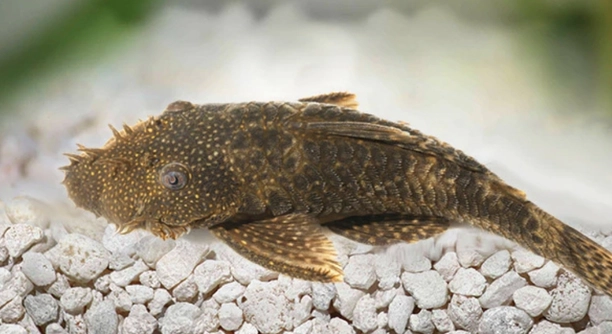
Plecostomus fish are popular for their ability to clean aquariums, but sometimes their skin changes color. This can be due to various reasons that affect their health and appearance. It’s essential to understand the causes behind this discoloration.
The discoloration of Plecostomus skin can be attributed to a variety of factors including poor water quality, inadequate diet, stress, parasites, or even natural aging. Understanding these factors is crucial to maintaining the fish’s health and well-being.
These causes can often be prevented or corrected with simple adjustments. By following proper care guidelines, your Plecostomus can maintain healthy, vibrant skin.
Poor Water Quality
When water quality isn’t properly maintained, Plecostomus fish can experience skin discoloration. High levels of ammonia, nitrites, or nitrates can stress fish and lead to skin changes. A poorly maintained aquarium environment makes it harder for fish to thrive. This can lead to a loss of coloration, making the fish appear dull or pale.
To keep your Plecostomus healthy, regularly check water parameters. Using a water test kit can help monitor levels of ammonia, nitrites, and nitrates. Water changes should be done frequently, ideally 25-30% once a week, to keep the water clean and safe for the fish.
Additionally, ensure that your filter is working properly and that it is cleaned regularly. A good filtration system helps keep water quality high, providing a stable environment for your Plecostomus. Without it, toxins can build up quickly, leading to stress and skin discoloration.
Inadequate Diet
An improper diet is another reason for color changes. When Plecostomus fish do not get the right nutrients, their skin may lose vibrancy. A balanced diet is essential to keeping their colors bright.
Feeding a mix of high-quality pellets, algae wafers, and occasional fresh vegetables can provide the proper nutrition. These fish are primarily herbivores, so make sure their diet includes plenty of plant-based food.
Stress
Stress can cause significant changes in Plecostomus skin. Environmental factors such as overcrowding, sudden temperature fluctuations, or aggressive tank mates can lead to stress, which results in discoloration. A stressed fish may exhibit pale or faded colors as a sign of discomfort.
To prevent stress, ensure your tank is large enough for your Plecostomus to move around freely. Keep water temperature stable, and avoid placing aggressive fish in the same tank. A peaceful tank environment will help your Plecostomus feel secure, allowing it to maintain its natural color. Reducing stress will improve its overall health and appearance.
Providing plenty of hiding spots and gentle water flow also reduces stress. Plecostomus are shy fish that need secure places to rest. If the tank setup is inadequate, they may become anxious and their colors may start to fade. A proper environment plays a crucial role in maintaining vibrant skin.
Parasites and Illness
Parasites and infections can cause discoloration in Plecostomus. Skin conditions such as ich or fungal infections are common causes. These health issues often present with pale spots or a dull, discolored appearance.
Treating parasites involves isolating the affected fish and using medications designed to target specific pathogens. Regularly checking for visible signs of illness will help catch these problems early. A quarantine tank is useful for treating infected fish without spreading the issue to others in the main aquarium. This proactive approach will protect your Plecostomus and prevent further health issues.
It’s essential to maintain a consistent care routine to minimize the risk of infection. Clean your tank regularly and avoid overfeeding to reduce excess waste. Always quarantine new fish before adding them to your tank to avoid introducing parasites or diseases.
Aging
As Plecostomus age, their skin color may naturally change. Older fish tend to lose some of their vibrancy, leading to a more subdued appearance. This is a normal part of their life cycle and doesn’t always indicate a health problem.
Aging fish may also experience a decrease in their ability to process nutrients properly. This can lead to paler skin over time. If your Plecostomus is aging, it’s essential to provide them with a nutrient-rich diet and ensure their environment is as stable as possible.
Water Temperature Fluctuations
Sudden changes in water temperature can stress Plecostomus, leading to skin discoloration. If the water becomes too warm or cold, the fish may not adjust quickly, causing them to lose their color.
Keep the tank’s temperature stable within the recommended range for Plecostomus to avoid these issues. A reliable heater and thermometer are essential for maintaining a consistent temperature in the aquarium. This helps prevent temperature shock and keeps your fish healthy.
Improper Tank Size
If your Plecostomus is kept in a tank that’s too small, it can become stressed, leading to discoloration. These fish need space to thrive and maintain their vibrant colors. A cramped tank can lead to faded skin.
A larger tank with enough swimming room will promote better health and help maintain their natural color. Plecostomus require plenty of space to swim, so be sure your aquarium is large enough to meet their needs.
FAQ
Why is my Plecostomus turning pale?
A pale Plecostomus often indicates an issue with water quality, diet, or stress. Poor water conditions, such as high ammonia or nitrite levels, can make the fish lose its color. A lack of proper nutrition can also contribute to this discoloration. Additionally, stress caused by overcrowding or unsuitable tank conditions might lead to fading skin. Regular water changes, a balanced diet, and a stress-free environment are essential for maintaining a healthy, colorful Plecostomus.
Can parasites cause Plecostomus to lose their color?
Yes, parasites can cause discoloration in Plecostomus. Common infections like ich or fungal outbreaks can result in pale or discolored patches on the fish’s skin. If parasites are present, the fish might show signs of irritation, such as rubbing against objects or scratching. Prompt treatment with appropriate medication and a separate quarantine tank will help prevent the spread of the infection and restore the fish’s health.
How can I improve my Plecostomus’ diet to prevent skin discoloration?
To prevent discoloration, offer a varied and nutrient-rich diet for your Plecostomus. Their primary food should consist of algae wafers, high-quality pellets, and fresh vegetables such as zucchini or spinach. Adding occasional protein-rich food, such as brine shrimp, can help balance their diet. Proper nutrition supports overall health and vibrant skin.
Is it normal for Plecostomus to change color as they age?
Yes, aging can cause Plecostomus to lose some of their vibrancy. Older fish often experience natural fading of their colors, which is not necessarily a sign of illness. However, it’s important to monitor their health to ensure the color change is not due to a more serious issue. Proper care and a good diet can help slow down this natural aging process.
How do I know if my Plecostomus is stressed?
Stressed Plecostomus often show signs such as faded color, hiding more than usual, or acting lethargic. Stress can be caused by overcrowding, poor water quality, sudden temperature changes, or aggressive tank mates. To reduce stress, make sure the tank is large enough for the fish, maintain stable water parameters, and avoid adding aggressive species. Providing hiding places can also help your Plecostomus feel secure.
Can poor water quality cause long-term skin problems for my Plecostomus?
Yes, consistently poor water quality can lead to long-term skin issues for Plecostomus. High levels of toxins like ammonia, nitrites, or nitrates can damage their skin, causing discoloration and weakening the fish’s overall health. Regular water changes, proper filtration, and monitoring water parameters are essential to maintaining healthy skin and preventing these problems from becoming chronic.
What is the best water temperature for Plecostomus?
The ideal water temperature for Plecostomus is between 72°F and 82°F (22°C to 28°C). Keeping the water within this range helps prevent stress and discoloration. A stable temperature is crucial for their well-being, as fluctuations can lead to skin fading and other health issues. Using a reliable heater and thermometer will help maintain the proper temperature.
How can I prevent my Plecostomus from getting sick?
To prevent illness, ensure that your Plecostomus has a clean and stable environment. Regular water changes, a properly functioning filter, and a consistent feeding schedule are essential. Quarantining new fish before introducing them to the tank will also help reduce the risk of disease. Keeping the tank stress-free and well-maintained will help your Plecostomus stay healthy.
Do Plecostomus need a specific type of tank setup?
Yes, Plecostomus thrive in tanks that replicate their natural environment. They prefer tanks with plenty of hiding spots, such as caves or driftwood, and a well-maintained filtration system. A gentle water flow and the right temperature are also important for their comfort. A tank setup that mimics their natural habitat will help your Plecostomus feel secure and maintain its natural color.
Can changing the tank size cause my Plecostomus to change color?
Yes, moving your Plecostomus to a tank that is too small or too large can cause stress, which might lead to discoloration. Overcrowded tanks can make fish anxious and unhealthy. On the other hand, a tank that is too large may cause the Plecostomus to feel exposed. Providing the right amount of space will help the fish feel comfortable and vibrant.
What are the signs of a bacterial infection in Plecostomus?
Signs of a bacterial infection in Plecostomus include discolored patches, lesions on the skin, or swollen body areas. Infected fish may also appear lethargic, lose their appetite, or develop abnormal swimming patterns. If these symptoms are noticed, it’s essential to remove the infected fish to a quarantine tank and treat it with the appropriate antibiotics or medications.
Does overfeeding my Plecostomus affect its skin color?
Yes, overfeeding can negatively impact your Plecostomus’ skin color. Excess food can cause poor water quality due to increased waste, which can lead to stress and skin discoloration. Overfeeding can also result in an imbalanced diet, making it difficult for the fish to get the proper nutrients. Stick to a feeding schedule and provide only what the fish can consume in a few minutes to maintain their health and vibrant skin.
What should I do if my Plecostomus isn’t eating?
If your Plecostomus isn’t eating, check the water quality and temperature, as poor conditions can lead to a loss of appetite. Ensure that your fish is receiving the right type of food, and try offering a variety of options. If the lack of appetite persists, check for signs of illness, such as skin discoloration or lethargy, and consider isolating the fish for treatment if necessary.
Can tank mates affect the skin color of my Plecostomus?
Yes, aggressive or territorial tank mates can cause stress, leading to changes in skin color. Fish that constantly chase or harass the Plecostomus will make it feel threatened, which can cause it to fade in color. Choose peaceful tank mates that won’t stress out your Plecostomus, allowing it to maintain its natural vibrancy.
How often should I change the water for my Plecostomus?
Water changes should be done regularly to maintain the health of your Plecostomus. Aim for 25-30% water changes every week. This helps keep ammonia, nitrites, and nitrates at safe levels, preventing stress and discoloration. Regular water changes also keep the aquarium clean, promoting a healthier environment for your Plecostomus.
Are there any specific supplements I can add to improve my Plecostomus’ skin?
Supplements like vitamin C and spirulina can support a healthy, colorful appearance for your Plecostomus. These nutrients help boost the immune system and improve the fish’s overall health. Add these supplements in moderation, following the manufacturer’s instructions, to complement a balanced diet and improve the fish’s skin condition.
Can I use aquarium salt to treat discoloration in Plecostomus?
Aquarium salt can be used in some cases to treat minor skin issues, but it should be done with caution. Salt can help with external parasites or wounds, but overuse may cause stress or damage to your Plecostomus. Always use salt in moderation and follow appropriate treatment guidelines to avoid harming your fish.
Final Thoughts
Taking care of a Plecostomus involves more than just providing basic care. These fish need a balanced environment with proper water quality, diet, and tank mates to thrive. Issues like skin discoloration can be a sign of underlying problems such as poor water conditions, inadequate nutrition, or stress. Identifying the cause early on is important to ensure the health of your fish. Regular water changes, the right tank setup, and a varied diet can help prevent many common issues.
Plecostomus are sensitive to their environment, so maintaining a stress-free tank is crucial. Providing enough hiding spots, avoiding aggressive tank mates, and keeping the water temperature stable will help your fish feel secure. Stress can contribute to skin problems, and a stressed Plecostomus may show signs such as fading or patchy skin. It’s important to keep an eye on these signs and take action quickly to address any issues. Remember, a happy and healthy Plecostomus will maintain its natural color and behavior.
Lastly, always monitor your fish for any changes in behavior or appearance. Skin discoloration, lack of appetite, or abnormal swimming patterns may indicate a problem that needs attention. Early intervention is key to preventing further health issues. Whether it’s adjusting the water conditions, adding a supplement to their diet, or isolating an infected fish, taking quick action can make a big difference. Your Plecostomus deserves the best care to live a long and healthy life, so stay proactive in maintaining their environment and monitoring their health.

Hello,
If you enjoy the content that we create, please consider saying a "Thank You!" by leaving a tip.
Every little bit helps us continue crafting quality advice that supports the health, happiness, and well-being of pets around the world, for pets of all shapes, sizes, and species.
We really appreciate the kindness and support that you show us!