
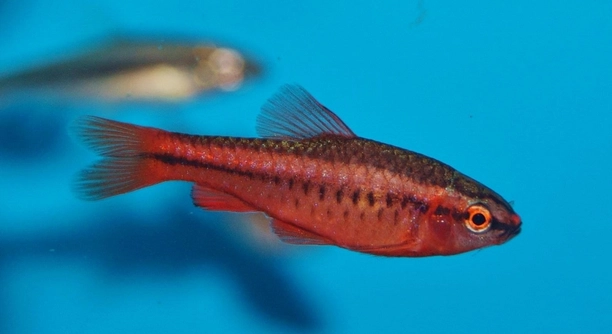
Cherry barbs are popular aquarium fish, known for their vibrant color and active nature. However, their darting movements can sometimes raise concerns for aquarium owners. These sudden bursts of motion may indicate different underlying causes.
Darting movements in cherry barbs can be caused by stress, poor water quality, illness, or competition. These movements are often a response to discomfort or environmental factors that affect the fish’s well-being.
Understanding why your cherry barb is darting around the tank can help you ensure a happier, healthier fish. Continue reading to learn more about the causes and solutions for these movements.
Stress and Anxiety
Stress is a major factor that causes cherry barbs to dart around their tank. When fish feel threatened or uneasy, they may swim erratically as a way to express their discomfort. Common stress triggers include loud noises, sudden movements, or other aggressive fish in the tank. Even the presence of unfamiliar objects can lead to nervous behavior. Overcrowding and improper tank conditions can also heighten stress levels, as the fish feel like they have no space to swim freely.
Fish are sensitive to environmental changes, and their behavior often reflects this. A change in water temperature, pH, or salinity can trigger a stress response, causing the barbs to dart or hide. To minimize stress, maintaining a stable, quiet environment is key. Ensure your tank has plenty of hiding spots and plants where fish can retreat if they feel unsafe. Keeping water conditions optimal is essential for their well-being.
By understanding what might stress out your cherry barbs, you can adjust their environment to better suit their needs. Keeping their space peaceful and secure will help calm them, resulting in more natural, relaxed behavior.
Poor Water Quality
Poor water quality can be another factor causing darting behavior in cherry barbs. If the water is not properly filtered or contains high levels of ammonia or nitrates, the fish may experience discomfort. In extreme cases, poor water quality can lead to health problems, making the fish more likely to exhibit erratic movements.
Regular water testing and water changes are necessary to ensure your cherry barbs live in a healthy environment. Keeping the tank clean helps prevent the build-up of harmful chemicals. Make sure to use a reliable water filter and avoid overfeeding your fish, as leftover food can pollute the water.
Illness or Disease
Cherry barbs can start darting around if they are sick or suffering from a disease. Common illnesses that affect fish, like parasites or bacterial infections, often lead to abnormal swimming behavior. These issues might make the fish feel uncomfortable or disoriented, causing them to swim erratically.
Signs of illness include clamped fins, discoloration, or visible lesions on the body. If a fish is sick, it may also isolate itself from others or rub against objects in the tank. If you notice any of these symptoms, it’s important to act quickly. Isolating the infected fish and adjusting the water quality can help prevent the disease from spreading.
Treating the disease early can often prevent long-term damage to your cherry barbs. If necessary, consult a veterinarian who specializes in fish health for proper medication. Keeping your fish’s tank clean and maintaining good water quality can reduce the chances of disease outbreaks.
Competition for Space or Food
Cherry barbs, like many fish, can become competitive when it comes to food or space. In tanks with multiple fish, this competition can result in aggressive behavior, which may include darting around. If there’s a lot of competition for limited resources, stress can set in.
Providing enough space and food for each fish can reduce this kind of competition. It’s a good idea to have several feeding areas in the tank, so every fish can get a fair share. Overcrowding is also a common issue, especially when many fish are kept together in a smaller tank. If there’s not enough room for them to swim freely, they will become stressed, leading to darting.
To prevent this, ensure that your tank is adequately sized for the number of fish you keep. Cherry barbs are peaceful by nature but can become stressed if their basic needs aren’t met. By managing food and space, you create a more relaxed environment where the fish can thrive.
Aggressive Tankmates
Sometimes, the darting behavior of cherry barbs is caused by aggression from other fish in the tank. Fish like cichlids or larger species can intimidate or chase the barbs, making them swim erratically. Aggression can increase when there’s limited space or territory.
Cherry barbs tend to be peaceful, but they can become stressed if kept with aggressive tankmates. If they are constantly pursued, they may dart to escape. To avoid this, it’s essential to choose compatible species when setting up a community tank. Always monitor their interactions and separate them if aggression becomes noticeable.
Adding plants or structures to your tank can help provide hiding spots for the barbs, giving them places to retreat from aggressive fish.
Tank Size
If your tank is too small for the number of fish you have, it can cause stress and lead to darting movements. A cramped environment makes it difficult for fish to swim freely, triggering anxiety. It’s essential to give your fish enough space to feel secure.
Overcrowding can lead to both physical and behavioral problems. Cherry barbs need room to swim, and a cramped tank can make them feel trapped. Ensuring the tank size is suitable for your fish population will make a significant difference in their behavior and overall well-being.
Water Temperature Fluctuations
Sudden changes in water temperature can cause cherry barbs to react with darting movements. These fish prefer stable, warm temperatures, and any drastic drop or rise in heat can stress them. Rapid temperature fluctuations are often caused by faulty heaters or inconsistent tank conditions.
To prevent temperature-related stress, it’s important to regularly monitor the water temperature. Invest in a reliable heater and thermometer to keep conditions consistent. Avoid placing the tank in areas that experience drafts or direct sunlight, which can cause the water temperature to fluctuate.
FAQ
What causes cherry barbs to dart in the tank?
Cherry barbs may dart around due to several factors, including stress, poor water quality, competition for resources, or illness. These fish are naturally active, but erratic swimming can indicate discomfort. If your cherry barbs are constantly darting, it’s essential to investigate possible environmental factors and make necessary adjustments. Ensuring a peaceful, clean environment with enough space and resources will help reduce this behavior.
How can I reduce stress in my cherry barbs?
To reduce stress in cherry barbs, it’s crucial to provide them with a stable, peaceful environment. Ensure your tank is the correct size for the number of fish, and avoid overcrowding. Keep tankmates compatible and avoid aggressive species. Regular water changes, proper filtration, and maintaining consistent water parameters can also help. Adding plants and hiding spots will give your fish places to feel safe.
How often should I check the water quality for my cherry barbs?
Water quality should be checked regularly, at least once a week, to keep it within the optimal range for cherry barbs. Regular testing helps ensure that ammonia, nitrite, and nitrate levels are in check. pH levels, hardness, and temperature should also be monitored. Maintaining clean water and proper filtration reduces the chances of darting caused by poor conditions.
Can cherry barbs dart due to a bacterial infection?
Yes, bacterial infections can cause cherry barbs to exhibit abnormal swimming behavior, including darting. If a fish is infected, it may swim erratically to try to escape discomfort. Symptoms of bacterial infections include lesions, faded colors, or clamped fins. If you suspect an infection, it’s best to quarantine the affected fish and treat them with appropriate medication.
What should I do if my cherry barb is darting after water changes?
If your cherry barb begins darting after a water change, it could be reacting to sudden changes in water parameters, such as pH, temperature, or hardness. Ensure that the new water matches the conditions of the original water as closely as possible. Slowly adjusting water conditions with gradual changes will prevent shock. Always use a water conditioner to neutralize chlorine or chloramine in tap water.
How do I know if my cherry barb is sick or just being active?
Active swimming is normal for cherry barbs, but excessive darting can indicate illness. If the fish are swimming erratically or rubbing against objects, they may be experiencing stress or a disease. Look for other signs of illness, such as discoloration, clamped fins, lesions, or lethargy. If your fish shows these symptoms, isolate it and address the issue promptly.
Can temperature changes cause darting in cherry barbs?
Yes, temperature fluctuations can cause cherry barbs to become stressed and swim erratically. These fish prefer stable temperatures, typically between 72°F and 80°F (22°C to 27°C). Sudden changes in temperature can disrupt their natural behavior and lead to darting. Make sure to maintain consistent temperature levels by using a reliable aquarium heater and monitoring with a thermometer.
What tankmates are best for cherry barbs?
Cherry barbs are peaceful fish and do well with other non-aggressive species. Ideal tankmates include small, peaceful fish like rasboras, tetras, and Corydoras catfish. Avoid aggressive or larger fish, like cichlids or bettas, as they may cause stress or harassment. Keep in mind that any fish causing competition for space or food could contribute to darting behavior.
Can a poor diet cause darting behavior in cherry barbs?
An inadequate or unbalanced diet can contribute to health problems in cherry barbs, which might cause darting behavior. Poor nutrition can lead to weakness or stress, making the fish more prone to erratic swimming. Providing a varied diet of high-quality flakes, pellets, and occasional live or frozen food will support the fish’s health and reduce potential issues with behavior.
Should I be concerned if my cherry barbs only dart during feeding time?
If your cherry barbs dart only during feeding time, this behavior is typically related to their excitement or eagerness to eat. Fish often swim quickly and erratically when they sense food in the water. However, if they are excessively aggressive towards each other during feeding, it may be a sign that they are competing for food, and more food stations or dividing the feeding times could help. If they are constantly darting, even after feeding, further investigation is needed to rule out stress or other factors.
Can I prevent darting behavior by adding plants to the tank?
Yes, adding plants and other decorations to your tank can help reduce darting behavior in cherry barbs. Plants provide hiding spaces and territories for the fish, helping them feel more secure. This can reduce stress caused by other tankmates or environmental factors. Plants also help to improve the overall water quality by absorbing nitrates, promoting a healthier environment for your fish.
Is it normal for cherry barbs to dart in the early morning?
It’s not uncommon for cherry barbs to show heightened activity early in the morning. Like many fish, they may be more active when the tank lights are first turned on. However, if darting becomes extreme or seems to last throughout the day, it may indicate stress or health issues. Monitor the behavior closely to ensure there are no underlying problems causing the movement.
Final Thoughts
Understanding why cherry barbs dart around their tank is important for any aquarium owner. While it’s natural for these fish to be active, sudden or constant darting is usually a sign that something isn’t right. It could be caused by a variety of factors, including stress, poor water quality, illness, or competition with other fish. Recognizing the signs early allows you to take steps to improve your fish’s environment and overall health.
One of the most effective ways to prevent darting behavior is by maintaining a stable and healthy environment for your cherry barbs. This includes regular water changes, proper filtration, and monitoring the temperature and pH levels. Avoid overcrowding and provide enough space for each fish to move freely. Adding plants and hiding spots can also help them feel secure, reducing stress and promoting natural behavior. Ensuring the right tankmates and addressing any aggressive interactions can further reduce the likelihood of darting movements.
If you notice that your cherry barbs are still darting despite making environmental changes, it may be time to check for illness. Sometimes, fish can exhibit erratic swimming patterns when they’re sick, so observing other symptoms like discoloration or lethargy can be helpful. Prompt action, such as isolating the affected fish or seeking medical treatment, can prevent the problem from spreading. Keeping your cherry barbs healthy and happy requires attention and care, but it’s well worth the effort to ensure they thrive in their tank.

Hello,
If you enjoy the content that we create, please consider saying a "Thank You!" by leaving a tip.
Every little bit helps us continue crafting quality advice that supports the health, happiness, and well-being of pets around the world, for pets of all shapes, sizes, and species.
We really appreciate the kindness and support that you show us!