
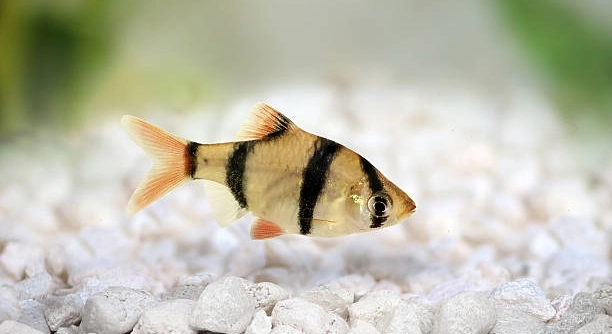
Barb aggression can be a frustrating issue for many pet owners. It often causes stress and confusion, as the behavior seems constant and hard to manage. Understanding the causes can help in finding the right solution for your pet’s wellbeing.
Constant barb aggression usually results from a combination of stressors, environmental factors, hormonal changes, and social dynamics within the group. Identifying these causes is essential to address the problem effectively and improve the animal’s quality of life.
Knowing the reasons behind barb aggression can guide you toward better care and prevention. This article will outline seven common causes to help you understand this challenging behavior.
Stress and Overcrowding
Stress is a major factor that can trigger constant barb aggression. When fish are kept in tanks that are too small or crowded, they often feel threatened. This leads to increased competition for space and resources. Overcrowding reduces hiding places and personal space, causing the fish to become more aggressive toward each other. Stress from poor water quality or sudden changes in the environment can also make aggression worse. Fish in stressful conditions have less energy to recover and may show more frequent aggressive behaviors. It’s important to keep the tank clean, maintain good water parameters, and provide enough space for each fish to reduce stress. A peaceful environment helps minimize constant aggression and promotes healthier fish.
Overcrowding causes stress and lack of territory, which increases aggression among barbs.
Ensuring enough space in the tank, with proper filtration and stable conditions, can reduce aggressive behavior. Adding plants and decorations offers hiding spots and breaks sightlines, which helps lower stress and territorial fights. Observing the fish regularly lets you spot early signs of aggression and take action before it worsens. A balanced fish population with compatible species also prevents unnecessary conflicts and helps maintain peace in the tank.
Social Hierarchy and Dominance
Barbs naturally form social hierarchies, and establishing dominance can lead to aggressive behavior. Dominant fish may bully others to control territory or access to food. This is a normal behavior but can become a problem if it turns constant and severe. Understanding this social structure helps in managing aggression. Adding enough fish to spread out dominance fights or removing overly aggressive individuals can improve tank harmony.
Lack of Proper Hiding Places
Without enough hiding spots, barbs feel exposed and vulnerable. This often leads to increased aggression as they compete for safe spaces.
When fish cannot find shelter, they become more defensive and aggressive toward others. Barbs naturally seek places to retreat when stressed or threatened. If the tank is bare or poorly decorated, dominant fish may chase others to claim limited hiding spots. Providing plenty of plants, rocks, and decorations creates safe zones where shy or weaker fish can escape. This reduces stress and helps lower the frequency of aggressive interactions. A well-decorated tank mimics their natural environment and supports better social balance.
Regularly changing or adding new hiding places can also reduce boredom and aggression. It encourages exploration and breaks up established territories, preventing fights from becoming constant.
Hormonal Changes
Hormonal shifts, especially during breeding periods, can increase aggression in barbs. These natural cycles affect behavior significantly.
During breeding seasons, male barbs often become more territorial and aggressive as they compete for mates. Hormonal changes heighten their instincts to defend space and resources, leading to more frequent attacks on other fish. This aggression usually lasts for a limited time but can feel overwhelming when it occurs. Female barbs may also show signs of increased aggression linked to their reproductive cycles. Understanding these patterns helps in managing the tank environment and minimizing stress. Temporary adjustments, like adding extra hiding spots or separating aggressive individuals, can ease tensions during these periods. Hormonal aggression is natural but manageable with careful observation and tank care.
Poor Diet
A poor diet can cause irritability and increase aggression in barbs. When fish do not get enough nutrients, they may become more hostile toward tank mates.
Feeding a balanced diet with proper vitamins and minerals helps keep barbs calm and healthy. Low-quality food or irregular feeding schedules can lead to stress and aggressive behavior.
Territorial Behavior
Barbs are naturally territorial, especially in smaller tanks. They often defend their space aggressively to protect resources like food and shelter.
Creating distinct territories using plants and decorations can reduce conflicts. This separation helps barbs feel secure and lowers the chances of constant aggression.
Illness and Injury
Illness or injury can make barbs more aggressive or vulnerable. Sick fish may lash out due to pain or stress, while healthy fish might bully weaker ones. Monitoring health and isolating affected fish can help reduce aggression in the tank.
FAQ
Why do barbs show constant aggression toward each other?
Barbs are naturally active and sometimes territorial fish. Constant aggression usually happens because of stress, overcrowding, or competition for space and food. Their social hierarchy can also cause repeated fights as they try to establish dominance. Poor tank conditions or lack of hiding places often make aggression worse.
How can I reduce aggression in my barb tank?
To reduce aggression, provide enough space and maintain good water quality. Adding plants and decorations creates hiding spots that help break up territories. Feeding a balanced diet and avoiding overcrowding also helps. Sometimes separating aggressive fish temporarily or changing tank mates is necessary.
Is aggression a sign of illness in barbs?
Aggression can sometimes indicate stress or illness. Sick or injured fish may act more defensively or irritably. Also, healthy fish might target weak or sick individuals. Watch for other symptoms like discoloration, lethargy, or loss of appetite and treat any health issues promptly.
Can hormonal changes cause aggression in barbs?
Yes, hormonal changes, especially during breeding, increase aggression. Males become more territorial as they compete for mates. This behavior is usually temporary but can be intense. Providing extra hiding places or separating aggressive fish during these times can help manage the aggression.
Does tank size affect barb aggression?
Tank size greatly affects aggression. Small or overcrowded tanks cause stress and force fish into close quarters, increasing fights. Barbs need enough space to swim freely and establish personal territory. A larger tank with plenty of decor helps reduce aggressive behavior.
How does diet impact barb aggression?
A poor diet can make barbs irritable and more likely to fight. Nutritional deficiencies stress the fish and lower their immune system. Feeding high-quality food regularly supports health and calm behavior. Avoid overfeeding, which can also cause problems in the tank.
Are some barb species more aggressive than others?
Yes, aggression varies between species. For example, tiger barbs tend to be more aggressive and fin-nippers than cherry barbs. Knowing the specific temperament of your barb species helps in choosing compatible tank mates and managing aggression properly.
What role does social hierarchy play in aggression?
Barbs form social hierarchies where dominant fish control space and food. Establishing this order involves some chasing and bullying, which can seem like constant aggression. Providing enough fish and space helps spread out these interactions and reduces stress on weaker individuals.
Should I separate aggressive barbs from the tank?
Separating aggressive fish can be necessary if they cause harm or stress to others. Isolation gives injured or bullied fish time to recover and calms the tank. Sometimes moving aggressive fish to a different tank or rearranging the setup helps improve harmony.
Can environmental changes reduce barb aggression?
Yes, small changes like adding plants, rearranging decorations, or improving water quality can lower aggression. These adjustments create new territories and hiding places, breaking up established dominance patterns. Stable, clean water conditions also keep fish healthier and less aggressive.
How do I know when barb aggression is a serious problem?
Aggression becomes serious when it leads to injury, stress, or death. Signs include torn fins, constant chasing, and hiding fish refusing to eat. If aggression persists despite changes, consider consulting a fish expert or veterinarian to find the best solution.
Final thoughts are important when dealing with constant barb aggression. Understanding the reasons behind this behavior helps in making better choices for your tank. Aggression is often a natural response to stress, overcrowding, or competition, but it can be managed with the right care. Keeping a close eye on your fish and their environment is the first step to reducing these issues.
Creating a comfortable and balanced tank environment plays a big role in minimizing aggression. Providing enough space, clean water, and plenty of hiding places makes a difference. Barbs need room to swim freely and spots where they can feel safe. Overcrowding or a bare tank usually causes more fights. A well-decorated tank with plants, rocks, and other decorations helps break up territories and keeps the fish calmer. Feeding your barbs a healthy and balanced diet also supports their wellbeing and reduces irritability.
If aggression continues despite your efforts, it may be necessary to take additional steps. Sometimes separating overly aggressive fish or changing tank mates can restore peace. Pay attention to signs of illness or injury, as these can increase aggressive behavior. Being patient and observant is important because changes might take time to show results. Overall, managing barb aggression is about creating a stable and healthy environment that supports their natural behaviors without causing harm. Taking these steps will help your barbs live together more peacefully and keep your tank enjoyable to watch.

Hello,
If you enjoy the content that we create, please consider saying a "Thank You!" by leaving a tip.
Every little bit helps us continue crafting quality advice that supports the health, happiness, and well-being of pets around the world, for pets of all shapes, sizes, and species.
We really appreciate the kindness and support that you show us!