
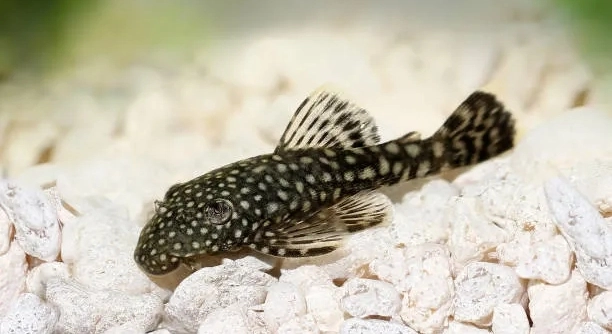
Cloudy water in pleco tanks can be frustrating, especially for aquarium enthusiasts who want a clear, healthy environment for their fish. Understanding the causes behind cloudy water is key to maintaining a happy and balanced tank.
The most common causes of cloudy water in pleco tanks include poor filtration, overfeeding, high waste buildup, bacterial blooms, algae growth, water changes, and improper tank maintenance. Each of these factors contributes to an imbalance in the aquarium’s ecosystem.
These factors can be managed effectively with the right knowledge and care. By addressing the causes early, you can prevent cloudy water and ensure your pleco tank remains clean and healthy for your fish.
Poor Filtration and Inadequate Water Flow
One of the main reasons for cloudy water is poor filtration. Plecos produce a lot of waste, and without a good filter, this waste accumulates quickly. If the filter is too small for the tank size or not functioning properly, it won’t remove waste and debris effectively. As a result, particles float around in the water, making it appear murky.
A filter needs to be sized appropriately for the tank’s volume and the number of fish. It should be able to circulate and clean the water at least four to five times per hour. Regular maintenance is also necessary to ensure that the filter works efficiently.
If your filter isn’t working well, upgrading to a better one or cleaning the existing one can make a noticeable difference. Without proper filtration, waste will continue to build up, leading to further cloudiness. Clear water is essential for the health of your pleco and the balance of the aquarium.
Overfeeding and Excessive Waste
Overfeeding your plecos contributes to cloudy water by increasing waste production. When fish are fed more than they can eat, uneaten food begins to decompose, releasing nutrients that fuel bacterial growth. This leads to an imbalance in the water chemistry.
To prevent overfeeding, it’s important to feed your plecos small amounts at a time. They will eat what they need, and any excess food will be left behind, leading to excess waste and cloudy water. Monitoring the amount of food given is crucial. Adjust the feeding schedule to match your pleco’s eating habits to prevent this issue.
By reducing overfeeding, you will help maintain a healthier tank with less cloudiness. Regular water changes and monitoring the tank’s waste level can also reduce the buildup of organic material in the water, ensuring it stays clean.
Bacterial Blooms
Bacterial blooms are a common reason for cloudy water. When too many nutrients are available, such as uneaten food or fish waste, bacteria multiply rapidly. This causes the water to appear cloudy due to suspended bacteria. The bloom usually lasts for a few days until the bacteria use up the available nutrients.
A bacterial bloom often occurs in newly set-up tanks or tanks with poor filtration. Regular water changes can help control the growth of bacteria. In addition, removing excess food and waste will limit the nutrients that the bacteria feed on.
While bacterial blooms are often temporary, they can be managed with proper tank maintenance. If left unchecked, the cloudiness can linger and affect the overall health of the tank. It’s crucial to maintain water quality to prevent recurring blooms.
Algae Growth
Algae can also contribute to cloudy water, especially in tanks with too much light or high nutrient levels. Algae thrives on excess nutrients, such as nitrogen and phosphorus, found in the water. Over time, these nutrients build up from uneaten food or fish waste, promoting algae growth.
To control algae, reduce the lighting period and ensure your tank isn’t exposed to too much sunlight. Using a UV sterilizer can also help by killing the algae particles in the water. Regular water changes can remove excess nutrients, making it harder for algae to take hold.
In addition, consider adding algae-eating fish, like snails or certain types of shrimp, to help naturally control the growth. Keeping the water clean and monitoring light exposure will help prevent algae from making your water cloudy.
Water Changes
Infrequent or improper water changes can lead to cloudy water. As waste builds up, the water becomes increasingly dirty, making it harder to maintain a clear appearance. Regular water changes are essential for keeping the water quality in check.
Changing 20-30% of the tank water every 1-2 weeks helps remove waste and excess nutrients. If the water is cloudy, you may need to do more frequent changes until the clarity improves.
By keeping up with consistent water changes, you help prevent the buildup of harmful substances that can cloud your tank. It’s a simple but effective way to maintain a healthy environment.
Overcrowding
Overcrowding your pleco tank can result in cloudy water. Too many fish in one space increase waste production and reduce oxygen levels. This imbalance can cloud the water and make it difficult to filter out debris.
It’s important to monitor the number of fish in your tank. A general rule is to allow 1 inch of fish per gallon of water. When the tank becomes overcrowded, waste accumulates quicker than the filter can handle. Consider upgrading the tank size or reducing the number of fish to restore balance and keep the water clear.
Substrate Issues
The substrate in your tank can cause cloudiness, especially if it’s disturbed too frequently. Gravel or sand that is not properly cleaned can trap debris, which gets stirred up during water changes or when the plecos move around. The trapped debris can make the water appear cloudy.
To prevent this, regularly vacuum the substrate and ensure that it’s properly cleaned during water changes. Using a fine gravel or sand substrate can also reduce the buildup of waste that causes cloudiness. Keeping the substrate clean will help maintain clearer water and improve filtration.
FAQ
What causes cloudy water in a pleco tank?
Cloudy water in pleco tanks is usually caused by poor filtration, overfeeding, bacterial blooms, algae growth, or an imbalance in the tank’s ecosystem. Waste from the plecos, excess food, and the presence of too many nutrients can all lead to cloudy water. Regular maintenance, such as proper filtration and water changes, can prevent or clear up these issues.
How often should I change the water in my pleco tank?
You should change 20-30% of the water in your pleco tank every 1-2 weeks. However, if the water is particularly cloudy, more frequent changes may be necessary until the water clears up. Regular water changes help remove waste, excess nutrients, and keep the water quality healthy for your pleco.
Can overfeeding cause cloudy water?
Yes, overfeeding is a common cause of cloudy water. When you feed your pleco more than it can eat, uneaten food decomposes in the tank, releasing nutrients that encourage bacterial growth. This results in a cloudy appearance. To avoid this, feed your pleco small amounts of food and remove any uneaten food after a few hours.
Do plecos produce a lot of waste?
Plecos are known to produce a significant amount of waste. They have large appetites, and as bottom feeders, they often stir up debris and leftover food. This waste can cloud the water if not filtered properly. It’s important to have an appropriately sized filter and clean the tank regularly to manage waste levels effectively.
Is cloudy water harmful to plecos?
Cloudy water can negatively impact your pleco’s health, as it can indicate poor water quality. If left untreated, cloudy water may lead to stress or disease in your fish. It’s important to address the root cause of the cloudiness, whether it’s poor filtration, overfeeding, or other factors, to ensure the well-being of your pleco.
How can I clear up cloudy water fast?
To clear up cloudy water quickly, try performing a partial water change to remove waste and excess nutrients. Ensure your filter is functioning properly, and consider using a UV sterilizer to kill suspended bacteria or algae. You can also reduce lighting exposure to limit algae growth and adjust your feeding habits to prevent overfeeding.
Can algae cause cloudy water?
Yes, algae can cause cloudy water, especially in tanks with too much light or high nutrient levels. Algae thrive in environments where excess nutrients like nitrogen and phosphorus are available. This can happen when waste builds up from uneaten food and fish waste. Reducing lighting time, adding algae-eating fish, and performing regular water changes can help control algae growth.
Is a bacterial bloom dangerous for my pleco?
Bacterial blooms are usually not directly dangerous to your pleco, but they indicate an imbalance in the tank’s environment. While a bloom is often temporary, it can cause water quality issues if not addressed. If you notice cloudy water due to a bacterial bloom, it’s important to improve filtration, reduce excess food, and perform regular water changes to restore balance.
Why is my pleco’s tank always cloudy?
If your pleco’s tank is always cloudy, it’s likely due to one or more of the common causes: poor filtration, overfeeding, inadequate water changes, or an excess of waste. Check the filtration system, feed your pleco only what it can eat in a few minutes, and be sure to perform regular water changes to prevent long-term cloudiness.
Can I use chemical treatments to clear cloudy water?
Chemical treatments can sometimes be used to clear cloudy water, but they should be a last resort. Using chemicals may temporarily clear up the water, but they do not address the root cause of the problem. It’s best to first address water quality through better filtration, proper feeding, and regular maintenance to avoid reliance on chemicals.
How long does it take for cloudy water to clear up?
The time it takes for cloudy water to clear up depends on the cause of the cloudiness. A bacterial bloom usually clears up within a few days if the water quality is managed properly. Algae-related cloudiness may take longer to clear, as it depends on light reduction and nutrient control. Regular water changes can speed up the process.
Do plecos help keep the tank clean?
Plecos are bottom feeders and will help clean up leftover food and algae from the tank, but they can’t keep the entire tank clean on their own. They do help reduce some waste, but a good filtration system, regular cleaning, and proper water changes are still necessary for maintaining a healthy tank environment.
Final Thoughts
Cloudy water in pleco tanks is a common issue that many aquarium owners face. It can be caused by several factors, including poor filtration, overfeeding, bacterial blooms, algae growth, and other tank imbalances. Each of these factors can lead to an environment that is not ideal for your pleco or any other fish in the tank. Identifying the root cause of the cloudiness is the first step in resolving the problem. Regular maintenance, proper feeding habits, and a balanced tank environment are essential for preventing cloudy water and ensuring your pleco stays healthy.
To keep your tank clear, it’s important to monitor the water quality closely. This includes checking the filtration system, feeding the right amount of food, and performing regular water changes. A properly sized filter that is maintained well can help keep waste and debris levels under control. Overfeeding is a common issue that can lead to cloudy water, so it’s crucial to avoid giving your pleco more food than it can consume. Reducing the lighting in the tank can help prevent excessive algae growth, while keeping the substrate clean will prevent waste buildup.
In the end, maintaining clear water is a balance between proper care and proactive management. While cloudy water can sometimes be a temporary issue, if left untreated, it can lead to more serious water quality problems. By staying on top of water changes, keeping an eye on your filter, and ensuring your pleco is not overfed, you’ll be able to keep the water clean and your fish healthy. It’s all about creating an environment that allows your pleco to thrive, and with consistent care, cloudy water will become a problem of the past.

Hello,
If you enjoy the content that we create, please consider saying a "Thank You!" by leaving a tip.
Every little bit helps us continue crafting quality advice that supports the health, happiness, and well-being of pets around the world, for pets of all shapes, sizes, and species.
We really appreciate the kindness and support that you show us!