
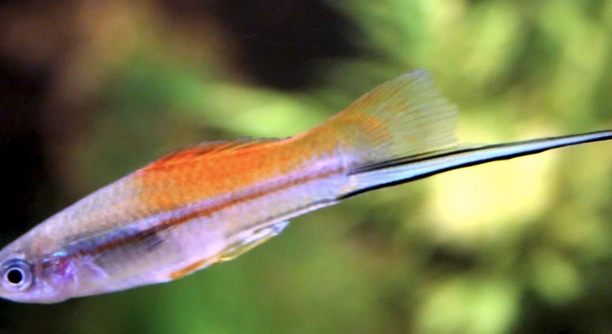
Cloudy water in a swordtail tank can be frustrating for any aquarist. If you’re noticing murky water, it’s essential to understand the reasons behind it to maintain a healthy environment for your fish.
Cloudy water in swordtail tanks is often caused by overfeeding, inadequate filtration, bacterial blooms, or improper tank maintenance. These factors can lead to a buildup of debris, waste, or microorganisms that cloud the water.
By recognizing the causes, you can take the necessary steps to improve the water quality. Understanding these common issues will help you maintain a clearer, healthier tank for your swordtails.
Overfeeding and Its Impact on Tank Clarity
Overfeeding is a common issue that many aquarists face. It may seem harmless to feed your swordtails more than necessary, but excess food quickly breaks down into waste that clouds the water. Leftover food can also trigger an increase in harmful bacteria, causing water quality to suffer.
By keeping track of how much you feed, you can prevent this problem. Swordtails don’t need a lot of food, and anything left uneaten contributes to cloudy water. Reducing the amount of food and ensuring your fish consume it all can help maintain clearer water.
For swordtails, a good rule of thumb is to feed them only what they can eat in about two to three minutes. It’s important to remove any excess food from the tank after feeding to prevent it from decaying and polluting the water. Regular water changes also help remove organic waste and maintain healthy tank conditions, ensuring your fish thrive in a cleaner environment.
Inadequate Filtration and Water Movement
Poor filtration can leave debris and waste in the water, making it cloudy.
Your swordtail tank needs a filter that matches the size of your aquarium. Filters remove debris and bacteria that build up in the water, but if the filter isn’t powerful enough or not maintained properly, it can lead to cloudy water. Regular cleaning of the filter ensures it works effectively.
Proper water movement also helps. If your filter doesn’t create enough circulation, dead spots in the tank can develop, allowing waste to settle. Swordtails benefit from gentle water flow, but stagnant water can cause bacteria to grow. Consider adjusting your filter settings or adding a powerhead for better circulation. Consistent filter maintenance and ensuring your water moves well will keep your tank clear and healthy.
Bacterial Blooms
Bacterial blooms occur when there’s an excess of nutrients in the tank, often from overfeeding or poor water quality. These blooms appear as cloudy water and are a common problem in new or improperly maintained tanks.
Bacteria thrive in the tank when waste or uneaten food decomposes. These microorganisms feed on the nutrients and grow rapidly, causing the water to look cloudy. It’s often a sign that the tank’s filtration isn’t keeping up with the waste load. Regular water changes can help reduce nutrient buildup, preventing further bacterial growth.
To control bacterial blooms, it’s important to remove excess food, clean the tank regularly, and use a filter suited for your aquarium size. Consider using a UV sterilizer, which helps kill the bacteria responsible for the bloom. In some cases, waiting it out is an option as the tank balances, but prevention is always the best approach.
Poor Tank Maintenance
Skipping regular cleaning is one of the main reasons tanks get cloudy. Debris and algae buildup in an unclean tank can cause murky water.
Consistent maintenance helps keep the tank clear. Regular water changes, gravel vacuuming, and wiping down the glass are essential to prevent debris from accumulating. Algae growth, in particular, can contribute to cloudy water. Keeping your swordtail tank clean ensures that debris and algae don’t have a chance to thrive, maintaining a healthy aquatic environment.
If algae growth becomes excessive, consider reducing the light exposure or using algae-removal products. The more proactive you are about maintenance, the less likely you are to face cloudy water issues. Cleanliness plays a huge role in preventing cloudy conditions, making it a key part of keeping your tank clear.
New Tank Syndrome
New tanks often experience cloudy water due to the imbalance in the ecosystem. The filter and beneficial bacteria haven’t fully established yet, leading to water cloudiness.
In a newly set up tank, the filter may struggle to manage waste, causing a buildup of bacteria, ammonia, or nitrites. This results in murky water. To resolve this, ensure your tank is properly cycled before introducing fish. Allow the filter to run for a few weeks to build up the beneficial bacteria needed for a balanced system.
Testing the water regularly and making gradual changes will help the tank stabilize and clear up.
High Fish Stocking Levels
Overcrowding can quickly lead to cloudy water. Too many fish produce excessive waste, which the filter struggles to handle.
Swordtails are active fish, and if your tank has more than the recommended number, waste can accumulate faster than the filtration system can process it. Overcrowding also causes stress to the fish, weakening their immune systems and leading to possible health issues. Regular water changes and monitoring your tank’s population are essential to keeping things in balance.
Adjust your stocking levels and ensure each fish has enough space to thrive.
FAQ
What causes cloudy water in a swordtail tank?
Cloudy water in a swordtail tank is often caused by overfeeding, inadequate filtration, bacterial blooms, or poor tank maintenance. Overfeeding leads to leftover food that breaks down and creates waste, leading to murky water. Poor filtration can’t properly remove waste and bacteria, while bacteria blooms from excess nutrients make the water appear cloudy. Regular water changes, cleaning, and ensuring proper feeding practices can prevent these issues.
How can I prevent cloudy water caused by overfeeding?
To prevent cloudy water from overfeeding, only feed your swordtails what they can consume in a few minutes. Remove any uneaten food within 5 to 10 minutes to stop it from decomposing. Consider feeding smaller portions and observe how much your fish eat. This will reduce waste buildup and keep the water clearer.
Is cloudy water always harmful to swordtails?
Cloudy water isn’t always harmful, but it can be a sign of poor water quality. If left untreated, it can lead to health problems for swordtails, such as stress or weakened immune systems. Short-term cloudiness might not harm your fish, but long-term issues can cause serious damage. Regular monitoring and maintenance are key to ensuring the tank’s environment stays healthy.
How often should I clean the tank to prevent cloudy water?
It’s important to clean your swordtail tank regularly. Perform partial water changes once a week, changing 20-30% of the water. Clean the gravel and vacuum the substrate to remove waste and debris. Wipe down the glass and clean the filter every few weeks. Regular maintenance helps keep water quality high and reduces the chance of cloudy water.
How do I cycle a new tank to avoid cloudy water?
Cycling a new tank helps establish beneficial bacteria that break down waste and toxins, preventing cloudy water. Set up the tank and let the filter run for several weeks before introducing fish. Test the water frequently for ammonia, nitrites, and nitrates, which indicate the tank is cycling. Once the levels stabilize, the tank will be ready for your swordtails, and the water should remain clearer.
Can I use a UV sterilizer to clear cloudy water?
Yes, a UV sterilizer can help clear cloudy water caused by bacterial blooms. It works by killing harmful bacteria and microorganisms in the water, which can clear up the cloudiness. However, it’s important to address the root cause of the problem, such as overfeeding or poor filtration, to prevent the issue from recurring.
Why is my tank cloudy after adding new fish?
Introducing new fish can cause temporary cloudy water. This happens because the new fish add extra waste, which increases bacteria levels in the tank. Additionally, the tank may not yet be properly cycled to handle the additional load. Regular water changes, good filtration, and time will help clear the cloudiness. You may also need to monitor the fish population to avoid overcrowding.
How do I know if my filter is working properly?
To ensure your filter is working properly, check for water movement and make sure the filter is creating proper circulation in the tank. Clean the filter regularly and replace filter media as recommended by the manufacturer. If you notice a decrease in water flow or cloudiness persisting despite maintenance, it could indicate an issue with your filter, requiring cleaning or replacement.
What can I do if the water is cloudy due to algae growth?
Algae growth is a common cause of cloudy water. To manage this, reduce light exposure to the tank, as algae thrive on light. Clean the tank regularly, especially the glass and decorations. Consider using algae-removal products or introducing algae-eating fish like snails or certain types of shrimp. Also, ensure that the tank’s nutrient levels are balanced to prevent excessive algae growth.
Can cloudy water in a swordtail tank be fixed quickly?
The speed at which cloudy water can be fixed depends on the cause. If it’s due to overfeeding, simply adjusting your feeding habits and doing a water change can clear it up within a few days. For bacterial blooms or poor filtration, it might take longer to see results, especially if the tank’s ecosystem needs time to stabilize. Regular maintenance and patience are essential for long-term clarity.
What is the best way to avoid cloudy water in the future?
The best way to prevent cloudy water is by maintaining a balanced tank. Feed your swordtails properly, clean the tank regularly, and ensure good filtration. Monitor the water’s quality, and avoid overcrowding. If your tank is new, be patient while it cycles and make sure to test the water regularly to ensure a stable environment. Preventing cloudy water is all about consistency in care and maintenance.
Final Thoughts
Cloudy water in your swordtail tank can be frustrating, but it’s often a result of common issues that are easily managed with some attention to detail. Overfeeding, poor filtration, bacterial blooms, and inadequate tank maintenance are among the most frequent causes. If you’re experiencing cloudy water, it’s important to first identify the root cause to prevent further complications. Overfeeding is the most simple problem to fix, as it requires simply adjusting the amount of food you give your fish. Smaller portions and removing uneaten food can greatly improve water clarity.
Inadequate filtration can be another significant factor. If your filter isn’t working efficiently or is too small for the tank size, it won’t be able to keep up with waste and debris. This can quickly lead to cloudy water. Regularly cleaning your filter and making sure it’s the right size for your tank is essential. If you notice your water becoming cloudy despite regular cleaning, you may need to upgrade your filtration system to one better suited to your tank’s needs. This may take some time, but it will help in maintaining clear water long-term.
Finally, good maintenance practices are key to preventing cloudy water in the future. Regular water changes, cleaning the tank, and ensuring your fish aren’t overcrowded are essential steps in keeping the tank’s environment healthy. New tanks, in particular, need patience while they cycle and build up the necessary bacteria to break down waste. If you stay on top of maintenance and monitor the tank’s water quality, you can avoid many of the common issues that cause cloudy water. By addressing these issues early and staying proactive with tank care, you’ll ensure your swordtails have a clean and healthy environment.

Hello,
If you enjoy the content that we create, please consider saying a "Thank You!" by leaving a tip.
Every little bit helps us continue crafting quality advice that supports the health, happiness, and well-being of pets around the world, for pets of all shapes, sizes, and species.
We really appreciate the kindness and support that you show us!