
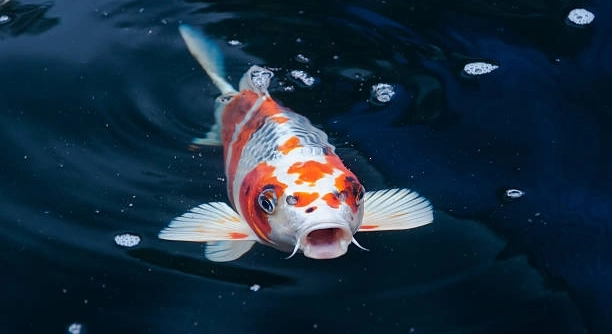
Cloudy water in a koi pond can be frustrating for many pond owners. It affects the appearance of the pond and the health of the fish. Understanding the causes helps in maintaining a clear and healthy environment for koi.
Cloudy koi pond water is usually caused by excess algae, suspended particles, poor filtration, bacterial blooms, overfeeding, decaying organic matter, or water chemistry imbalances. Proper pond maintenance and filtration adjustment can significantly improve water clarity.
Identifying these causes is the first step to restoring clear water and a balanced pond ecosystem. This article will guide you through common issues and effective solutions.
Excess Algae Growth
Algae growth is a common reason for cloudy koi pond water. When sunlight hits the pond, it encourages algae to multiply quickly, especially if there are excess nutrients like nitrogen and phosphorus in the water. These nutrients often come from fish waste, uneaten food, or decaying plants. As algae blooms increase, they create a greenish tint and make the water look murky. Algae can be suspended in the water or grow on surfaces like rocks and pond liners. Controlling algae growth involves managing nutrient levels and limiting sunlight exposure. Using aquatic plants can help absorb nutrients and shade the water, reducing algae growth naturally. Regular cleaning of filters and removing debris will also prevent algae from getting out of control. Overfeeding the fish can worsen the problem, so feeding in moderation is important. Balancing the ecosystem of the pond helps maintain clear water and supports healthy koi.
Reducing excess nutrients and limiting sunlight are key steps to control algae in koi ponds.
Algae blooms reduce oxygen levels in the water, which can stress koi and encourage bacterial growth. Using UV clarifiers is an effective way to clear algae particles from the water. Additionally, performing partial water changes helps remove nutrients and suspended algae. Avoid using chemicals unless absolutely necessary, as they may harm fish and beneficial bacteria. Instead, rely on natural methods like adding floating plants or installing a good filtration system. Keeping the pond balanced reduces algae problems and improves overall water clarity.
Poor Filtration System
A filtration system that is not functioning properly will fail to remove debris, particles, and harmful substances, leading to cloudy water. Many koi ponds require mechanical and biological filtration to keep the water clean. Mechanical filters trap solid waste and particles, while biological filters break down ammonia and nitrites produced by fish waste. If filters are clogged or undersized, water circulation slows down, and particles stay suspended in the water. This results in a cloudy appearance and poor water quality, which affects fish health. Regular cleaning and maintenance of the filter system ensure it runs efficiently. Upgrading to a higher-capacity filter may be necessary for larger ponds or heavily stocked fish. A well-maintained filtration system supports a healthy environment by keeping the water clear and free of harmful toxins. Proper filter setup and routine checks can prevent water from turning cloudy.
Bacterial Blooms
Bacterial blooms occur when beneficial bacteria multiply rapidly, causing cloudy water. This often happens in new ponds or after cleaning when the balance is disturbed. Although bacteria are helpful for breaking down waste, too many can cloud the water temporarily.
Bacterial blooms usually last a few days to a week as the pond stabilizes. These bacteria are microscopic and suspended in the water, giving it a milky or foggy look. This bloom indicates that the biological filtration is working but needs time to balance. Avoid changing large amounts of water during this time, as it can slow the process. Adding beneficial bacteria supplements can help speed up the cycle and clear the water faster. Maintaining good aeration supports the bacteria and overall pond health.
Patience is key when dealing with bacterial blooms. Over time, the water clears naturally as the bacteria population balances and settles.
Overfeeding and Uneaten Food
Feeding koi too much or too often causes excess food to decay in the pond, contributing to cloudy water. Uneaten food breaks down and releases nutrients, encouraging algae and bacterial growth. This not only clouds the water but can also harm fish health.
Reducing feeding amounts and feeding only what koi can eat in a few minutes helps prevent leftover food. Using high-quality food that sinks slowly allows fish to consume it quickly, minimizing waste. Regularly removing uneaten food and debris from the pond bottom limits nutrient buildup and keeps the water clearer. Overfeeding also increases ammonia levels, stressing koi and disrupting the pond’s biological balance. Monitoring feeding habits and adjusting for seasons and fish activity ensures the pond stays clean and healthy.
Controlling feeding is one of the easiest and most effective ways to maintain clear koi pond water.
Decaying Organic Matter
Leaves, dead plants, and fish waste accumulate in the pond and decompose over time. This decaying matter releases nutrients that cloud the water and encourage algae growth.
Regularly removing debris with a net or pond vacuum helps reduce organic buildup and keeps the water clear.
Water Chemistry Imbalance
Imbalanced pH, ammonia, nitrite, or nitrate levels affect water clarity and fish health. Testing water regularly is essential to detect issues early and maintain a stable environment.
Adjusting water chemistry through partial water changes or adding treatments restores balance, improving clarity and supporting koi well-being.
Suspended Particles
Fine dirt, silt, or pond bottom sediments can become suspended in the water, causing cloudiness. This often happens after heavy rain or pond cleaning.
Using a quality mechanical filter and avoiding stirring the pond bottom prevents particles from remaining suspended and helps keep water clear.
Poor Water Circulation
Inadequate water movement limits oxygen distribution and filtration efficiency. Stagnant areas collect debris and promote cloudy water conditions.
Installing pumps or aerators enhances circulation, supporting cleaner water and healthier fish.
FAQ
What is the fastest way to clear cloudy koi pond water?
The fastest method is using a combination of a good mechanical filter and a UV clarifier. Mechanical filters trap particles, while UV clarifiers kill algae and bacteria causing cloudiness. Partial water changes can help reduce nutrients that feed algae, but avoid changing too much water at once to keep the pond stable.
Can cloudy water harm my koi fish?
Yes, cloudy water can stress koi by reducing oxygen levels and increasing toxins like ammonia. Prolonged exposure to poor water quality weakens their immune system and can lead to illness. Maintaining clear water is essential for koi health and longevity.
How often should I clean my pond filter?
Cleaning frequency depends on pond size and fish load, but generally, filters should be cleaned every 2-4 weeks. Avoid over-cleaning biological filters as it removes beneficial bacteria. Rinse filter media gently in pond water to preserve helpful bacteria while removing debris.
Is it safe to use chemicals to clear cloudy water?
Chemical treatments can clear water quickly but often harm beneficial bacteria and fish if misused. Use chemicals only as a last resort and follow instructions carefully. Natural methods like improving filtration, controlling feeding, and managing plants are safer long-term solutions.
Why does my pond get cloudy after adding new fish?
New fish introduce waste and bacteria that can disrupt the pond’s balance. The biological filter may not be ready to handle the increased load, causing bacterial blooms and cloudy water. Adding beneficial bacteria supplements and monitoring water quality helps stabilize the pond faster.
Can aquatic plants help prevent cloudy water?
Yes, aquatic plants absorb excess nutrients and provide shade, reducing algae growth. Floating plants like water lilies and submerged plants like hornwort improve water clarity and oxygen levels. Plants also create a healthier habitat for koi and beneficial bacteria.
How much water should I change to clear cloudy water?
Partial water changes of 10-20% weekly help reduce nutrient buildup without shocking fish. Avoid large water changes all at once, as sudden shifts in water chemistry can stress koi and disrupt beneficial bacteria. Consistency in water changes supports long-term clarity.
What role does sunlight play in cloudy pond water?
Sunlight promotes algae growth, which clouds water. Ponds in full sun are more prone to algae blooms, especially during warm months. Using shade-providing plants or installing shade covers limits sunlight exposure and helps prevent excessive algae.
How can I prevent cloudy water during heavy rains?
Rainwater can stir up sediments and introduce debris, causing temporary cloudiness. Installing a pond skimmer and maintaining good filtration helps trap particles before they spread. Creating buffer zones with plants around the pond also reduces runoff entering the water.
Should I feed my koi differently to avoid cloudy water?
Feeding koi in small amounts that they can eat within a few minutes reduces leftover food, which decomposes and clouds the water. Adjust feeding based on water temperature and koi activity. Avoid overfeeding during cold months when koi eat less.
Final Thoughts
Maintaining clear water in a koi pond requires consistent care and attention to several factors. Cloudy water is often a sign that something in the pond’s balance is off, whether it is algae growth, bacterial blooms, or poor filtration. Each cause needs to be addressed in its own way to restore clarity and ensure a healthy environment for the koi. Paying attention to water quality, feeding habits, and filtration will help prevent common problems that lead to cloudy water.
A well-functioning filtration system is essential for keeping the pond clean. Mechanical filters remove solid particles, while biological filters break down harmful waste. Regular maintenance, including cleaning and monitoring, keeps these filters effective. Neglecting filtration allows waste and debris to build up, which causes water to become murky. It is important to keep the filter properly sized for the pond and fish population. Adding beneficial plants can also support filtration by absorbing excess nutrients and limiting algae growth.
Managing nutrient levels and preventing excess food or organic matter from accumulating are key to maintaining clear water. Overfeeding contributes to leftover food that decomposes and clouds the water. Removing debris like leaves and dead plants reduces nutrient buildup that feeds algae and bacteria. Maintaining good water circulation and aeration supports oxygen levels and helps prevent stagnant areas. Keeping the pond balanced through these steps protects the health of the koi and keeps the water clear and inviting.

Hello,
If you enjoy the content that we create, please consider saying a "Thank You!" by leaving a tip.
Every little bit helps us continue crafting quality advice that supports the health, happiness, and well-being of pets around the world, for pets of all shapes, sizes, and species.
We really appreciate the kindness and support that you show us!