
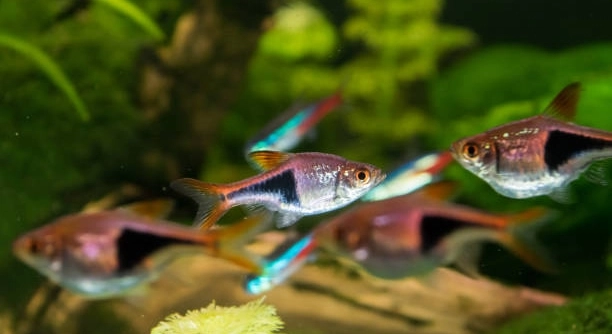
Are your Rasbora’s eyes looking cloudy and unclear lately? This issue can signal several health concerns that affect your fish’s well-being. Identifying the causes early helps maintain a healthy aquarium environment and protects your fish from harm.
Cloudy eyes in Rasbora commonly result from bacterial infections, poor water quality, physical injury, nutritional deficiencies, fungal infections, parasites, or aging. Each factor disrupts the eye’s clarity and requires specific care to restore your fish’s health.
Understanding these causes will help you prevent further damage and improve your Rasbora’s overall condition in the tank. The following details explain each factor and how to address them properly.
Bacterial Infections
Bacterial infections are a frequent cause of cloudy eyes in Rasbora. These infections often develop due to poor water conditions or injury, allowing harmful bacteria to enter the eye. When the bacteria infect the eye tissue, it can cause swelling, redness, and cloudiness. Treating bacterial infections early is important because if left unchecked, they can lead to more serious health problems or even blindness. Using antibacterial medication specifically designed for aquarium fish can help clear the infection. Maintaining clean water with regular changes also reduces the risk of bacterial growth. Monitoring your Rasbora for other symptoms, such as lethargy or loss of appetite, can provide early signs of infection. Keeping the tank environment stable and stress-free supports recovery and helps prevent future infections.
Bacterial infections require prompt treatment to prevent lasting eye damage in Rasbora.
Taking care of your Rasbora’s environment, including filtration and water quality, reduces bacterial risks. If you notice cloudiness, isolating the affected fish and applying the correct antibacterial medication is essential. Avoid overcrowding, as it can stress fish and weaken their immune systems. Regular observation and tank maintenance will support your fish’s eye health and overall well-being.
Poor Water Quality
Poor water quality often causes stress and health problems in Rasbora, including cloudy eyes. High levels of ammonia, nitrites, or nitrates can irritate the fish’s eyes and damage tissues. Uneaten food and waste build-up create toxic conditions that weaken the immune system. Keeping water parameters stable with frequent testing is critical. Water changes of at least 20-30% weekly help maintain a safe environment. Using a good filter reduces contaminants and keeps water clear. Avoid sudden changes in temperature or pH, as these can also stress Rasbora and contribute to eye problems. Keeping the tank clean and balanced supports healthy eyes and reduces disease risk. Clean water is one of the simplest ways to keep your fish healthy and prevent cloudy eyes caused by irritation or infection.
Physical Injury
Physical injury to Rasbora’s eyes can cause cloudiness due to scratches, bumps, or fights with tank mates. Injuries allow bacteria or fungi to infect the eye more easily.
Injuries often happen when fish swim too fast, hit tank decorations, or are bullied by other fish. Sharp or rough objects in the tank can also cause damage. When an eye is injured, it may appear swollen or cloudy, signaling the need for treatment. Providing a safe environment with smooth decorations and compatible tank mates reduces injury risk. If injury occurs, isolating the fish and treating with antibacterial or antifungal medication helps prevent secondary infections.
Recovery depends on the severity of the injury and prompt care. Minor injuries may heal quickly, but untreated damage can worsen, affecting the fish’s vision and health. Monitoring injured Rasbora closely supports proper healing.
Nutritional Deficiencies
Nutritional deficiencies can lead to cloudy eyes in Rasbora because they affect overall health and immune function. A poor diet lacking essential vitamins and minerals weakens the fish’s ability to fight infections and repair tissues.
Feeding a balanced diet with high-quality flakes, pellets, and occasional live or frozen foods ensures Rasbora get necessary nutrients. Vitamins A and C are particularly important for eye health. Supplementing with specialized foods or vitamins can prevent deficiencies. Avoid overfeeding or relying solely on one type of food, as this limits nutrient variety. Proper nutrition supports immune strength and reduces susceptibility to eye problems caused by infections or stress.
Regularly reviewing your fish’s diet and making adjustments promotes long-term health. Nutritional care is an easy way to prevent cloudy eyes and other common issues.
Fungal Infections
Fungal infections can cause cloudy eyes in Rasbora by attacking damaged or weakened eye tissue. These infections often appear after injury or stress.
Fungi thrive in poor water conditions and can spread quickly if not treated. Using antifungal medication and improving tank cleanliness are essential to control fungal growth and protect your fish.
Parasites
Parasites such as protozoans or flukes can infect Rasbora eyes, leading to cloudiness and irritation. They attach to or invade the eye tissue, causing discomfort and damage. Parasite infestations require specific treatments, including antiparasitic medications. Maintaining good water quality and quarantining new fish can help prevent parasite introduction and spread in your tank.
Aging
As Rasbora grow older, their eyes may naturally become less clear. Aging can cause gradual cloudiness due to changes in eye structure and lens clarity. This condition is common in older fish and is usually not linked to disease. While aging cannot be reversed, providing a healthy environment and proper nutrition helps maintain overall quality of life for senior Rasbora. Monitoring their health closely ensures comfort during their later stages.
What causes cloudy eyes in Rasbora?
Cloudy eyes in Rasbora can result from bacterial or fungal infections, physical injury, poor water quality, parasites, nutritional deficiencies, or natural aging. Each cause affects the eye differently, but all lead to the loss of clarity and can affect the fish’s vision and overall health.
How can I tell if my Rasbora’s cloudy eyes are due to infection?
If your Rasbora’s eyes are swollen, red, or have white patches, it likely indicates a bacterial or fungal infection. Additional signs may include lethargy, loss of appetite, or rubbing against objects. Infections require medication and improved tank conditions for recovery.
Can poor water quality cause cloudy eyes?
Yes. High ammonia, nitrite, or nitrate levels irritate the eyes and weaken the fish’s immune system, making them more vulnerable to infections. Maintaining clean water through regular testing and water changes is essential to prevent eye problems.
What should I do if my Rasbora has an eye injury?
Isolate the injured fish to prevent stress and spread of infection. Clean the tank and treat with antibacterial or antifungal medication depending on the injury’s severity. Remove sharp objects and aggressive tank mates to avoid further damage.
How does diet affect eye health in Rasbora?
A diet lacking essential vitamins, especially vitamin A and C, weakens the immune system and slows tissue repair, leading to cloudy eyes. Providing a balanced diet with high-quality flakes, pellets, and occasional live foods supports eye health and overall well-being.
Are parasites common causes of cloudy eyes?
Parasites like protozoans or flukes can infect the eyes, causing cloudiness and irritation. These require specific antiparasitic treatments. Prevent parasites by quarantining new fish and maintaining good tank hygiene.
Is cloudy eye always a sign of disease?
Not always. Aging Rasbora may develop cloudy eyes naturally as part of the aging process. This type of cloudiness does not usually affect their health significantly but should still be monitored for changes.
How can I prevent cloudy eyes in Rasbora?
Regular water testing, proper tank maintenance, balanced diet, and avoiding overcrowding help keep your Rasbora healthy. Quarantining new fish and treating injuries promptly also reduce risks.
Can cloudy eyes be reversed?
If caused by infections, injury, or poor water quality, cloudy eyes can often improve with treatment. Nutritional improvements also help. However, cloudiness caused by aging usually cannot be reversed.
When should I seek professional help for my Rasbora’s cloudy eyes?
If the condition worsens despite care, or if your fish shows severe symptoms like loss of appetite, extreme lethargy, or worsening eye damage, a veterinarian or experienced aquarist should be consulted for proper diagnosis and treatment options.
Are there home remedies for cloudy eyes?
Some aquarium owners use salt baths or mild antibacterial treatments as home remedies, but it is best to identify the exact cause first. Incorrect treatment may harm your fish or worsen the condition. Always follow dosage instructions carefully.
Does tank size affect eye health?
Overcrowding in a small tank increases stress and waste buildup, leading to poor water quality and higher chances of infections. Adequate tank size and proper filtration promote better eye health and overall fish well-being.
Can stress cause cloudy eyes?
Stress weakens the immune system, making Rasbora more susceptible to infections and injuries that lead to cloudy eyes. Minimizing sudden changes in environment, compatible tank mates, and proper diet help reduce stress.
Is cloudy eye contagious between fish?
Cloudy eyes caused by infectious agents like bacteria, fungi, or parasites can spread to other fish if untreated. Isolating affected fish and maintaining tank cleanliness are crucial to prevent transmission.
How long does it take for cloudy eyes to clear up?
Recovery time depends on the cause and treatment effectiveness. Minor infections or injuries may improve within a week or two, while more serious cases can take longer. Persistent cloudiness should be reevaluated.
When caring for Rasbora, keeping an eye on their health is essential, especially when it comes to their eyes. Cloudy eyes can indicate several underlying problems, ranging from infections to environmental factors. Recognizing the causes early helps prevent complications and supports the well-being of your fish. Proper water quality, a balanced diet, and a safe tank environment play a critical role in maintaining clear eyes and overall health. Taking time to observe your Rasbora daily allows you to notice any changes quickly and respond accordingly.
Addressing cloudy eyes involves a combination of good aquarium management and timely treatment. Ensuring the tank is clean and free of harmful chemicals reduces stress and infection risk. When infection or injury occurs, using the right medication is important to promote healing and avoid further damage. Providing your fish with a nutritious diet rich in vitamins supports their immune system and helps them recover faster. Sometimes, cloudiness is a sign of aging, which cannot be reversed but can be managed by maintaining a healthy environment to keep your Rasbora comfortable.
Ultimately, patience and consistent care are key when dealing with cloudy eyes in Rasbora. Recovery may take time, and the condition might not always fully resolve, especially in older fish. Regular maintenance and attention to detail will prevent many causes of cloudy eyes from developing in the first place. Understanding the common factors that contribute to eye problems equips you to make informed decisions for your aquarium. Your efforts will ensure your Rasbora stay healthy and vibrant, enhancing the enjoyment of your aquatic hobby.

Hello,
If you enjoy the content that we create, please consider saying a "Thank You!" by leaving a tip.
Every little bit helps us continue crafting quality advice that supports the health, happiness, and well-being of pets around the world, for pets of all shapes, sizes, and species.
We really appreciate the kindness and support that you show us!