
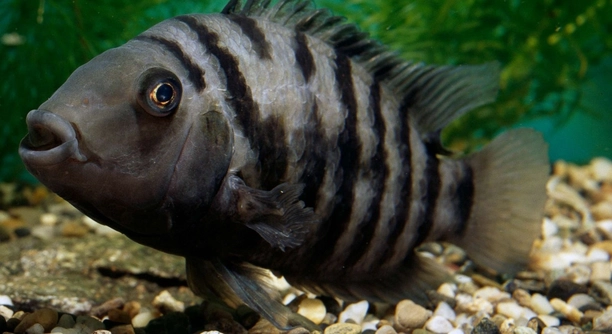
Cloudy eyes in African cichlids are a common concern among aquarium enthusiasts. These fish are known for their vibrant colors and unique behaviors, making eye health important for their overall well-being. Understanding what causes cloudy eyes can help maintain a healthy tank environment.
Cloudy eyes in African cichlids are typically caused by bacterial infections, poor water quality, eye injuries, nutritional deficiencies, parasites, stress, or genetic factors. Each cause impacts the fish differently and requires specific care measures to prevent lasting damage.
Identifying the exact cause early on can make a big difference in treatment and recovery for your fish. This article will explain the main reasons behind cloudy eyes and how to handle them properly.
Bacterial Infections
Bacterial infections are a frequent cause of cloudy eyes in African cichlids. These infections often result from poor water conditions or injuries. When bacteria invade the eye, they cause inflammation and cloudiness, which can worsen if untreated. Fish living in crowded tanks or stressed by sudden changes are more prone to infections. Maintaining clean water and avoiding overcrowding can reduce the risk. Treatments usually involve antibiotics, but it’s important to identify the infection early. Sometimes, secondary infections may develop, making it harder for the fish to recover. Watching your fish regularly for any changes in behavior or appearance helps catch problems before they get serious. Proper tank care and quick action are key to keeping your cichlids healthy and their eyes clear.
Bacterial infections often come with other signs like redness or swelling. Early treatment prevents permanent damage.
Knowing how to recognize and treat bacterial infections can save your fish from serious health issues and improve their chances of recovery. Clean water and a stress-free environment support healing and prevent further problems.
Poor Water Quality
Poor water quality is one of the most common reasons for cloudy eyes in African cichlids. High levels of ammonia, nitrites, or nitrates irritate the fish’s eyes and weaken their immune system. Dirty water also encourages bacterial and fungal growth, increasing infection risks. Regular water testing and frequent water changes are essential to keep these harmful substances in check. Using a good filtration system helps maintain stable conditions. Additionally, sudden changes in temperature or pH can stress fish, making them more vulnerable to eye problems. Consistency in water parameters creates a healthier environment and reduces the chance of eye cloudiness.
Improving water quality involves careful monitoring and routine maintenance.
Changing water regularly, checking chemical levels, and avoiding overfeeding prevent buildup of harmful toxins. Keeping a clean tank reduces stress and supports the immune system, which helps your cichlids fight infections naturally. Using water conditioners can remove chlorine and neutralize ammonia. When water quality is controlled, fish display brighter colors and clearer eyes. Regular tank upkeep is a simple but effective way to protect your fish from many health issues, including cloudy eyes. It’s an ongoing effort but worth it for their well-being.
Eye Injuries
Eye injuries in African cichlids often result from fights or sharp objects in the tank. These injuries can cause cloudy eyes as the tissue becomes damaged or infected.
Scratches or pokes from other fish during territorial disputes are common causes. Decorations with rough edges or broken glass can also harm your cichlids’ eyes. Injuries may lead to swelling and cloudiness, and if left untreated, infections can develop quickly. Monitoring tank mates and removing hazards can prevent many injuries. Treating injuries early with antibacterial medications helps avoid complications. A peaceful tank environment reduces aggressive behavior and protects your fish from harm.
Eye injuries sometimes heal on their own, but severe damage requires treatment to prevent permanent vision problems. Regular tank checks can catch issues before they worsen.
Nutritional Deficiencies
Nutritional deficiencies weaken African cichlids’ immune systems and eye health. Lack of essential vitamins, especially vitamin A, can cause cloudy eyes and poor vision. Feeding a balanced diet tailored to cichlids’ needs supports eye clarity and overall health. Using high-quality pellets or flakes, along with occasional live or frozen foods, ensures proper nutrition. Deficiencies develop slowly and may be hard to notice at first, but eye cloudiness is a visible sign. Correcting diet problems involves adjusting feed types and frequencies. Supplements may also be useful in severe cases. Consistent feeding practices prevent nutritional gaps and promote vibrant colors and healthy eyes.
Parasites
Parasites can attach to the eyes of African cichlids, causing irritation and cloudiness. These tiny invaders damage the eye surface and may lead to infection if untreated.
Common parasites include flukes and protozoans. Regular tank cleaning and quarantine of new fish help prevent infestations.
Stress
Stress weakens the immune system of cichlids, making them more prone to eye problems like cloudiness. Stress factors include poor water quality, overcrowding, and sudden changes in the tank environment.
Reducing stress through stable conditions and proper tank management helps protect eye health and overall well-being.
Genetic Factors
Some African cichlids may inherit tendencies for eye cloudiness due to genetics. This condition might appear even in healthy tanks without obvious causes.
Breeding from healthy stock and avoiding inbreeding reduces genetic risks and supports clearer eyesight in future generations.
FAQ
What causes cloudy eyes in African cichlids?
Cloudy eyes can be caused by bacterial infections, poor water quality, eye injuries, parasites, stress, nutritional deficiencies, or genetic factors. Each cause affects the fish differently and needs specific care to help the eyes clear up.
How can I tell if my cichlid’s cloudy eyes are due to infection?
Infections usually come with other signs like redness, swelling, or behavior changes such as rubbing against objects. If the cloudiness appears suddenly and worsens, infection is likely. Early treatment with antibiotics is important to prevent damage.
Can poor water quality alone cause cloudy eyes?
Yes. High levels of ammonia, nitrites, or nitrates irritate the eyes and weaken the fish’s immune system. Dirty water encourages bacteria and parasites that worsen the problem. Keeping water clean is essential to prevent eye cloudiness.
What steps can I take to improve water quality?
Regular water testing, frequent partial water changes, using a reliable filter, and avoiding overfeeding are key steps. Water conditioners can help neutralize harmful chemicals. Keeping the tank stable reduces stress and supports eye health.
How do eye injuries happen in African cichlids?
Injuries often come from fighting between fish or sharp tank decorations. Cichlids can be territorial, and rough interactions may cause scratches or pokes. Removing hazards and controlling aggression helps prevent eye damage.
Can cloudy eyes heal after an injury?
Minor injuries may heal on their own with clean water and a stress-free environment. More severe wounds can become infected, requiring antibacterial treatment. Early care improves healing chances and prevents permanent vision loss.
Do parasites cause cloudy eyes in cichlids?
Yes, parasites like flukes or protozoans can attach to the eyes, causing irritation and cloudiness. Parasite infestations are more common in tanks with poor hygiene or new fish without quarantine.
How do I treat parasite infections?
Treatment usually involves antiparasitic medications available at pet stores or from a vet. Keeping the tank clean and quarantining new fish are important to avoid spreading parasites. Early detection improves treatment success.
What role does nutrition play in eye health?
A lack of vitamins, especially vitamin A, can cause cloudy eyes and poor vision. Feeding a balanced diet designed for cichlids, including quality pellets and occasional live or frozen foods, supports healthy eyes and immune function.
How do I correct nutritional deficiencies?
Adjust your feeding routine to include a variety of foods rich in essential nutrients. Supplements may help if deficiencies are severe. Consistency in diet prevents future problems and keeps fish vibrant and healthy.
Can stress really cause cloudy eyes?
Yes, stress lowers the immune system, making fish more prone to infections and eye issues. Stress can come from poor water conditions, overcrowding, or sudden changes in temperature or pH.
What can I do to reduce stress in my tank?
Maintain stable water parameters, avoid overcrowding, provide hiding spaces, and handle fish gently. Regular tank maintenance and gradual changes help keep your cichlids calm and healthy.
Are cloudy eyes always reversible?
Not always. If the cause is caught early and treated, cloudy eyes can clear up. However, long-term damage or genetic factors may cause permanent cloudiness. Prevention and early care are key.
Can genetics cause cloudy eyes?
Yes, some cichlids inherit tendencies for eye cloudiness even in good conditions. Responsible breeding and avoiding inbreeding reduce the risk of genetic eye problems.
When should I see a vet for cloudy eyes?
If the condition worsens despite care, lasts more than a week, or fish show other signs like lethargy or loss of appetite, professional advice is needed. A vet can diagnose and recommend specific treatments.
Cloudy eyes in African cichlids are a clear sign that something is not right in their environment or health. It’s important to pay attention to this symptom because it can point to several underlying issues like infections, poor water quality, or injuries. When these problems are caught early, the chances of helping your fish recover improve significantly. Keeping a clean tank with stable conditions is the foundation of good fish care. This means regular water changes, testing water parameters, and making sure the tank is not overcrowded or stressful for your cichlids.
Feeding your cichlids a balanced and nutritious diet also plays a big role in keeping their eyes clear and their bodies strong. Nutritional problems can slowly damage a fish’s health, but with the right food and supplements, many issues can be prevented or corrected. Watching for signs of stress and avoiding sudden changes in the tank environment will help your fish stay healthy. Stress weakens their immune system and makes them more vulnerable to infections and parasites. Creating a peaceful environment with plenty of hiding spaces helps reduce stress and aggression.
Even with all the right care, sometimes cloudy eyes can be caused by genetic factors or injuries that are harder to avoid. In these cases, treatment and prevention can still improve your cichlids’ quality of life. If you notice cloudy eyes lasting for a long time or worsening despite your efforts, consulting a vet or aquatic specialist is a good step. Paying close attention to your fish’s behavior and appearance regularly is the best way to catch problems early. With proper care, patience, and attention, you can help your African cichlids stay healthy and enjoy their vibrant colors and clear eyes.

Hello,
If you enjoy the content that we create, please consider saying a "Thank You!" by leaving a tip.
Every little bit helps us continue crafting quality advice that supports the health, happiness, and well-being of pets around the world, for pets of all shapes, sizes, and species.
We really appreciate the kindness and support that you show us!