
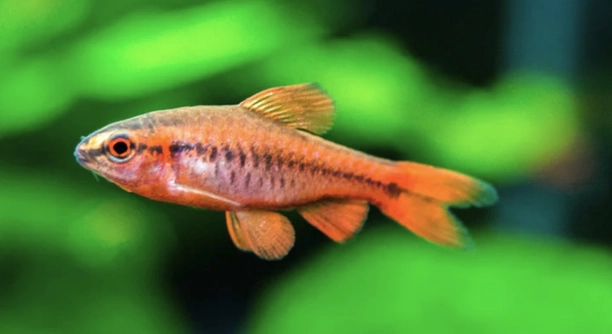
Cherry barbs are small, energetic fish known for their playful nature. However, jumping incidents can occur unexpectedly, leaving you wondering what causes this behavior. Understanding the underlying factors will help prevent such incidents in the future.
The main causes of cherry barb jumping incidents include water quality issues, overcrowding, sudden changes in the environment, and inadequate tank space. Stress, poor diet, and aggressive tank mates can also contribute to this behavior. Identifying and addressing these factors can help reduce jumping.
Taking steps to improve your cherry barb’s environment can lead to a healthier, more comfortable habitat for them.
Water Quality Issues
Water quality plays a significant role in the behavior of your cherry barbs. Poor water conditions, such as high ammonia or nitrate levels, can cause stress. Stress often leads to erratic behaviors, including jumping. Regular water changes and using a high-quality filter can help maintain stable water conditions. Cherry barbs prefer water with a pH of around 6.5 to 7.5, so it’s crucial to monitor the parameters frequently. If the water becomes toxic, your fish may attempt to jump out as a natural escape response.
Maintaining clean water conditions can drastically reduce jumping incidents. Testing for ammonia, nitrate, and nitrite levels regularly is essential for a healthy tank environment.
Proper water filtration will keep harmful toxins at bay, ensuring that the cherry barbs remain healthy and calm. It’s vital to create a stable, safe aquatic environment that encourages their natural behavior, reducing the urge to jump.
Overcrowding and Tank Space
Overcrowding is another reason your cherry barbs may be jumping. If the tank is too small or has too many fish, the stress can trigger this behavior. Cherry barbs need adequate swimming space to feel secure.
A tank that’s too crowded leads to constant competition for food and territory. The more stressed the fish feel, the higher the chances they will try to escape.
To prevent overcrowding, make sure your tank offers enough space for each fish. A general rule of thumb is at least 10 gallons of water for every 5 cherry barbs. This ensures that each fish has enough room to swim freely and reduce stress.
Sudden Environmental Changes
Cherry barbs are sensitive to changes in their environment, which can lead to stress and jumping. Temperature fluctuations or sudden changes in water parameters can unsettle them. Gradual adjustments are key to maintaining their comfort.
When introducing new equipment or changing the layout of the tank, avoid making drastic alterations. Small changes, like adjusting the water temperature slowly, will reduce the likelihood of jumping. Keeping the environment stable allows the fish to acclimate without panic.
If moving the tank or changing the water filtration system, give the fish time to adjust to each change. Overloading them with too many shifts at once can trigger stress-induced jumping.
Tank Mates
Cherry barbs are peaceful fish, but aggressive tank mates can lead to stress, resulting in jumping. Tank mates that nip fins or compete for territory may cause the barbs to feel threatened.
It’s important to select peaceful species that won’t disrupt the balance of the tank. Avoid pairing cherry barbs with overly territorial or aggressive fish. When choosing companions, always consider the behavior and needs of each species.
If aggression does occur, the barbs might attempt to jump to escape. Maintaining a peaceful environment where all species coexist harmoniously reduces the chance of such incidents.
Poor Diet
A lack of proper nutrition can contribute to stress and erratic behavior in cherry barbs. Poor diet leads to weakened immune systems, making the fish more vulnerable to stress, which could cause jumping.
To prevent this, feed your cherry barbs a balanced diet with high-quality flakes or pellets. Supplement with occasional live or frozen foods for added nutrients.
Improper feeding routines, like overfeeding or underfeeding, can also stress the fish. Stick to a consistent feeding schedule to keep your cherry barbs healthy and calm.
Stress from Light Exposure
Too much light can lead to stress for cherry barbs. These fish prefer dimmer lighting and may jump if exposed to intense or prolonged light periods.
Gradual changes in lighting help avoid triggering stress. A timer for the lights, set to about 10-12 hours a day, will create a more natural environment.
Ensuring the tank provides areas of shade, like plants or decorations, allows cherry barbs to retreat from the light when needed. A well-lit tank balanced with shaded areas keeps the fish comfortable.
Water Temperature
Water temperature is critical for the well-being of cherry barbs. Extreme temperature shifts can cause stress, which may result in jumping.
Aim for a stable temperature of 72-78°F (22-26°C) for cherry barbs. If the temperature fluctuates drastically, it can trigger panic responses, including jumping out of the tank.
Use a reliable heater and thermometer to maintain consistent water conditions. Sudden drops or rises in temperature should be avoided to keep the fish relaxed and healthy.
FAQ
Why is my cherry barb jumping?
Cherry barbs often jump due to stress caused by poor water quality, overcrowding, or sudden changes in their environment. Stress can be triggered by factors like aggressive tank mates, high light exposure, or fluctuating water temperatures. Maintaining stable water conditions and ensuring a peaceful tank environment can reduce the likelihood of jumping.
How can I prevent my cherry barb from jumping?
To prevent cherry barbs from jumping, it’s crucial to address the root causes. Ensure water quality is high, and maintain a consistent temperature and pH level. Avoid overcrowding, and provide ample swimming space. Keep the tank peaceful by selecting non-aggressive tank mates and creating hiding spots to reduce stress.
Can jumping indicate a health problem in my cherry barb?
While jumping can be a stress response, it can also indicate an underlying health issue. If your cherry barb is jumping excessively, it might be due to poor water conditions or disease. Check for signs of illness, such as lethargy or abnormal swimming patterns. Ensure proper care and maintain water quality to prevent health problems.
How do I know if my cherry barb is stressed?
Signs of stress in cherry barbs include erratic swimming, hiding, excessive jumping, or rubbing against objects in the tank. They may also stop eating or appear lethargic. Monitoring water quality and ensuring a stable environment can help identify and alleviate stress before it leads to serious health issues.
Is it safe to keep cherry barbs with other fish?
Cherry barbs are generally peaceful and can coexist with many other species. However, aggressive or territorial fish might stress them out, leading to jumping or other problems. It’s best to choose tank mates that are calm and similar in size. Avoid species that are known to nip at fins or compete for territory.
How often should I change the water for my cherry barbs?
Regular water changes are essential for maintaining good water quality. It’s recommended to change 20-30% of the tank water weekly. This helps to keep ammonia and nitrate levels in check, reducing the risk of stress and jumping incidents. Be sure to monitor water parameters frequently for the best results.
Can cherry barbs live in a tank without a lid?
Cherry barbs are known for jumping, especially when stressed. A tank without a lid increases the risk of them leaping out. While a lid is not always required, using one can prevent jumping incidents. If your tank doesn’t have a lid, consider adding a net or barrier to keep your fish safe.
What is the ideal tank size for cherry barbs?
A 10-gallon tank is the minimum size for a small group of cherry barbs. For more than five fish, a 20-gallon tank is recommended to provide enough swimming space. Larger tanks offer more stability in water quality and temperature, helping to reduce stress and prevent jumping.
How can I improve the water quality for my cherry barbs?
To improve water quality, use a high-quality filter to remove toxins, and perform regular water changes. Test the water regularly for ammonia, nitrate, and nitrite levels, ensuring they are within safe ranges. Use a gravel vacuum to remove debris and uneaten food, which can contribute to poor water quality.
What are some common causes of stress in cherry barbs?
Common causes of stress in cherry barbs include overcrowding, poor water quality, aggressive tank mates, sudden environmental changes, and improper diet. Excessive light exposure or water temperature fluctuations can also contribute to stress. Keeping the tank environment stable and peaceful helps prevent stress and jumping incidents.
Do cherry barbs prefer dim or bright lighting?
Cherry barbs prefer dim lighting, as it mimics their natural habitat. Bright lights can cause stress and encourage jumping. Provide shaded areas in the tank using plants, rocks, or decorations to give the fish a place to hide. A timer can also help regulate the light cycle, ensuring it’s not too intense.
How do I know if my cherry barb is comfortable in its tank?
A comfortable cherry barb will swim actively and socialize with tank mates. It should show a healthy appetite, swim freely without constantly hiding, and not exhibit signs of stress such as erratic swimming or excessive jumping. If the fish seems calm and healthy, it is likely content in its environment.
Can I reduce jumping by adding more plants to the tank?
Yes, adding more plants can help reduce jumping. Plants provide hiding spots and a more natural environment, which can make cherry barbs feel more secure. This may reduce stress, which in turn lowers the chances of jumping. Ensure there are plenty of plants or decorations to help the fish feel at ease.
Final Thoughts
Cherry barbs are relatively peaceful and hardy fish, but they can be sensitive to changes in their environment. Stress is one of the main causes of jumping incidents, so maintaining stable water conditions, proper diet, and peaceful tank mates is essential. Small changes, such as adjusting the water temperature gradually or adding more plants for hiding spots, can make a big difference in keeping your cherry barbs calm and comfortable.
It’s also important to monitor your tank regularly, checking water quality and temperature to ensure everything stays within the right parameters. Consistent care will prevent many of the common issues that can lead to stress, including jumping. Regular water changes and proper filtration also help maintain a healthy environment for your fish. Taking the time to observe your cherry barbs and identify signs of stress early will allow you to address potential problems before they escalate.
While jumping can be a normal behavior in response to certain conditions, it’s usually a sign that something is off in the tank. Whether it’s the lighting, tank mates, or water quality, addressing these factors will improve your fish’s well-being. By creating a stable, stress-free environment, you can help prevent jumping and ensure your cherry barbs thrive in their aquatic home. With proper care, your cherry barbs can live happily and healthily, avoiding many of the issues that lead to unwanted jumping.

Hello,
If you enjoy the content that we create, please consider saying a "Thank You!" by leaving a tip.
Every little bit helps us continue crafting quality advice that supports the health, happiness, and well-being of pets around the world, for pets of all shapes, sizes, and species.
We really appreciate the kindness and support that you show us!