
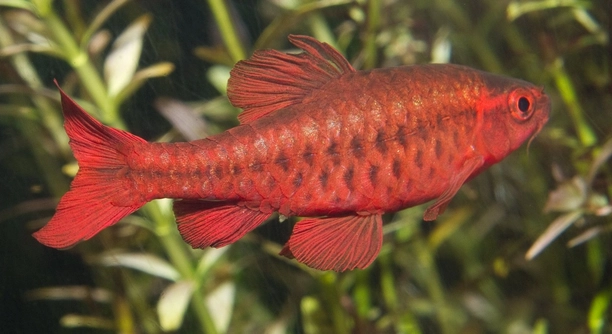
Algae overgrowth in your cherry barb tank can quickly become a frustrating issue. If you’re seeing more algae than you’d like, you’re not alone. This common problem affects many aquarium enthusiasts, but it’s not without solutions.
Several factors contribute to algae overgrowth in cherry barb tanks, including excess light, overfeeding, and poor water quality. Nutrient imbalances and insufficient filtration can also promote algae growth. Identifying these causes is essential for maintaining a healthy tank environment.
By understanding these common causes, you can easily prevent or control algae growth. This article will guide you through each factor, offering practical solutions to ensure your tank remains clear and your fish stay healthy.
Excessive Lighting
One of the main reasons algae thrive in your cherry barb tank is too much light. Algae, like plants, need light to grow. If your tank is exposed to direct sunlight or has an aquarium light running for too long, the algae will find it easy to multiply. This becomes especially noticeable in tanks with high-intensity lighting, which encourages faster algae growth.
Reducing the amount of light your tank receives can significantly lower algae buildup. A lighting schedule of 6-8 hours a day should be sufficient for both the fish and plants, minimizing excess light exposure.
If you’re noticing algae growth, consider adjusting your lighting setup. Using a timer for the aquarium light is a simple solution to regulate the amount of light your tank receives. Additionally, moving the tank away from direct sunlight will help prevent unwanted algae blooms. By controlling light exposure, you’ll create a more stable environment for both your cherry barbs and their tankmates.
Overfeeding
Overfeeding your cherry barbs is another issue that leads to algae overgrowth. When fish are fed more food than they can consume, the uneaten food breaks down and releases nutrients into the water. These nutrients, primarily nitrogen and phosphorus, fuel algae growth. This becomes a problem if the tank isn’t cleaned regularly, as the excess nutrients build up.
Feeding your fish in moderation is key to avoiding algae overgrowth. A good rule of thumb is to feed them only what they can consume in a few minutes, and remove any uneaten food.
By regulating the amount of food you give your fish, you’ll not only prevent algae overgrowth but also maintain a cleaner tank. This ensures the health of your cherry barbs and the overall water quality. A balanced feeding schedule, combined with proper tank maintenance, will keep algae at bay.
Poor Water Quality
When the water in your tank is not properly maintained, it can create the perfect environment for algae to thrive. High levels of ammonia, nitrites, and nitrates can lead to algae blooms. Poor filtration or infrequent water changes contribute to these conditions, allowing algae to spread quickly.
To maintain good water quality, it’s essential to test your tank regularly. Regular water changes, at least 25% every two weeks, help remove excess nutrients and waste. Using a reliable filter also ensures that your tank stays clean, providing a healthier environment for your fish and preventing algae growth.
In addition to routine maintenance, adding live plants can help control algae by competing for the same nutrients. These plants absorb excess nutrients, limiting the availability of food for algae. Combine this with consistent water changes and proper filtration, and your tank will be much less prone to algae overgrowth.
Insufficient Filtration
An inadequate filtration system can significantly contribute to algae growth in your cherry barb tank. Filters help remove excess nutrients, debris, and organic matter that algae feed on. If your filter is too weak or clogged, the water quality suffers, promoting algae development.
It’s important to have a filter that’s appropriate for the size of your tank. A good filter ensures that your water stays clear by removing harmful substances before they accumulate and feed algae. Additionally, check and clean your filter regularly to maintain its efficiency.
If your filtration system is insufficient, you may also consider adding a second filter to improve water flow and remove waste more effectively. A well-maintained filter system can make all the difference in preventing algae overgrowth and promoting a healthy aquatic environment for your cherry barbs.
High Nutrient Levels
Excess nutrients, such as nitrogen and phosphorus, are often the root cause of algae overgrowth. These nutrients can come from uneaten food, fish waste, and even decaying plants. When they build up, they fuel algae growth and make it difficult to maintain a clean tank.
Reducing nutrient levels involves regular maintenance, including removing excess food and waste. Testing the water regularly will help you track nutrient levels and catch any imbalances early. Keeping the tank clean and removing debris will limit the food source for algae, helping prevent its spread.
Inadequate Tank Maintenance
Failure to keep up with tank maintenance can lead to algae problems. If water changes are too infrequent, or the gravel and decorations are not cleaned regularly, algae can find a perfect place to grow. A buildup of organic matter accelerates algae growth and leads to poor water quality.
Set a regular schedule for water changes, cleaning the substrate, and wiping down the tank glass. By staying on top of these tasks, you’ll reduce the chance of algae gaining a foothold. A consistent cleaning routine keeps your tank in balance, minimizing algae growth.
Overcrowding
Overcrowding your tank with too many fish can lead to algae overgrowth. More fish produce more waste, which increases the levels of nutrients in the water. When this waste isn’t efficiently removed through proper filtration and regular maintenance, it provides algae with the food it needs to thrive.
To avoid overcrowding, calculate the appropriate number of fish for your tank size. Keeping fewer fish reduces the waste produced and helps maintain better water quality. A tank with fewer fish is easier to manage, and less likely to suffer from excessive algae growth.
FAQ
What is the best way to prevent algae overgrowth in my cherry barb tank?
Preventing algae overgrowth begins with controlling light, maintaining water quality, and ensuring proper filtration. Limit light exposure to 6-8 hours per day, avoid overfeeding, and perform regular water changes. A good filtration system is essential for keeping the tank clean and preventing nutrient buildup. Adding live plants helps absorb excess nutrients, reducing the chance for algae to thrive.
How often should I clean my cherry barb tank to prevent algae?
You should clean your cherry barb tank at least once a week. This includes removing any uneaten food, vacuuming the substrate, and wiping down the glass. Regular water changes, around 25% every two weeks, also help prevent nutrient buildup that encourages algae. Staying on top of cleaning ensures a healthier environment for your fish and reduces algae growth.
Can I use algae-eating fish to control algae growth?
Yes, certain algae-eating fish can help reduce algae in your tank. Common choices include plecos, otocinclus, and snails. However, they should not be relied upon as the sole method for controlling algae. Regular maintenance and proper water care are still essential for keeping algae under control.
What kind of filter is best for a cherry barb tank?
A good filter for a cherry barb tank should be rated for the size of your aquarium. A canister filter or hang-on-back (HOB) filter is often sufficient. These filters provide efficient water circulation and remove waste, preventing nutrient buildup. Make sure to clean your filter regularly to maintain its efficiency.
How can I tell if my tank has too many nutrients for the plants and fish?
Excess nutrients in your tank often show up as cloudy water, green water (indicating algae blooms), or unhealthy plants. If you notice algae growth taking over your tank or see water quality issues, it’s a sign that nutrient levels may be too high. Testing your water for ammonia, nitrites, and nitrates can help you confirm this. If levels are elevated, you may need to adjust your tank maintenance routine or decrease feeding.
Do I need to buy a special algae remover for my tank?
While algae removers are available, they should only be used as a last resort. Many algae issues can be managed by improving your tank’s maintenance routine, reducing light exposure, and using a good filtration system. Over-the-counter algae removers can sometimes harm fish or plants, so it’s best to address the root causes first.
Why is my cherry barb tank turning green?
A green tank typically results from an algae bloom, often due to excessive light, high nutrient levels, or insufficient filtration. If your tank is getting too much light or if there’s a buildup of waste, algae will thrive and turn the water green. To fix this, reduce lighting, perform water changes, and ensure proper filtration.
Can I reduce algae by adjusting the water temperature in my tank?
Water temperature can influence algae growth, as warmer water speeds up the process. However, the effect is not as significant as light exposure or nutrient levels. Keeping your tank at the optimal temperature for cherry barbs, around 75-80°F (24-27°C), is important for their health, but it won’t solve algae issues on its own.
How do I remove algae from tank decorations and glass?
You can easily remove algae from decorations and glass using an algae scraper or pad. For stubborn algae, use a soft brush or a vinegar solution (1 part vinegar to 3 parts water). Be sure to rinse everything thoroughly before placing it back in the tank to avoid contaminating the water.
Can live plants help reduce algae in my tank?
Yes, live plants help outcompete algae for nutrients, limiting the amount available for algae to grow. Plants absorb nutrients such as nitrates and phosphates, reducing the excess that algae would otherwise feed on. Adding fast-growing plants like hornwort or water wisteria can significantly improve your tank’s balance.
How do I fix algae overgrowth in a heavily infested tank?
If your tank is heavily infested with algae, start by reducing the light exposure immediately. Remove any visible algae manually, clean your filter, and perform a large water change. Test your water for high nutrient levels, and consider adding live plants to compete with algae for nutrients. Regular maintenance and good filtration are key to preventing future growth.
What type of lighting is best for preventing algae in my tank?
Use a light that’s appropriate for your tank’s size and that has a timer to limit exposure to 6-8 hours per day. LED lights with adjustable brightness or low-wattage fluorescent lights are ideal for cherry barb tanks. Overpowering lights encourage algae growth, so avoid bright, intense lighting. Keep the light schedule consistent to prevent algae from blooming.
Are there any plants that help control algae in my cherry barb tank?
Yes, several plants can help control algae growth by competing for nutrients. Fast-growing plants like water sprite, hornwort, or floating plants such as duckweed can effectively absorb excess nutrients. Adding a mix of plants that thrive in different conditions will help maintain a healthy tank environment and prevent algae from taking over.
How long does it take for algae to grow in my tank?
Algae can begin growing in your tank within a few days if conditions are favorable. If excess nutrients and light are present, algae can quickly spread. Keeping an eye on water quality and performing routine maintenance can prevent rapid algae growth before it becomes a significant issue.
Final Thoughts
Maintaining a healthy cherry barb tank requires more than just keeping your fish happy; it involves managing the balance of light, nutrients, and water quality. Algae overgrowth is a common issue in many tanks, but understanding the causes can help you prevent it. By addressing the main factors such as nutrient levels, tank maintenance, and lighting, you can keep algae in check. Regular cleaning, proper filtration, and avoiding overcrowding will all contribute to a healthier environment for both your fish and plants.
Taking proactive steps to reduce algae growth will make a big difference in the long run. It’s important to test your water regularly, especially for nitrogen and phosphorus, which are major contributors to algae blooms. Adjusting the light exposure in your tank and ensuring that your fish are not overfed will help manage nutrient levels. Additionally, using live plants in your tank can offer a natural way to absorb excess nutrients, preventing algae from taking over. These simple actions can go a long way in preventing algae problems.
In the end, a well-maintained tank will not only keep algae under control but also promote the overall health of your cherry barbs. By monitoring the conditions of your tank regularly and taking steps to address issues as they arise, you can enjoy a clean and thriving aquarium. Remember that a balanced environment is key to keeping your fish, plants, and tank free from unwanted algae growth.

Hello,
If you enjoy the content that we create, please consider saying a "Thank You!" by leaving a tip.
Every little bit helps us continue crafting quality advice that supports the health, happiness, and well-being of pets around the world, for pets of all shapes, sizes, and species.
We really appreciate the kindness and support that you show us!