
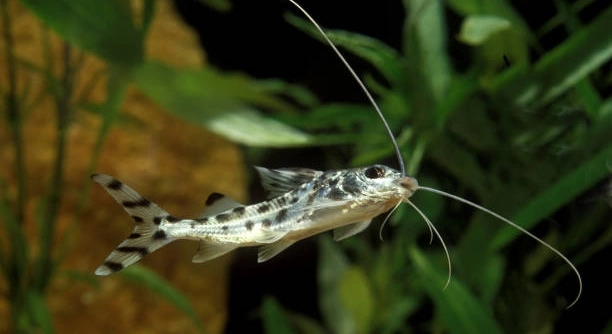
Algae growth in Pictus tanks can affect the overall health and appearance of the aquarium. Many aquarium owners notice algae spreading quickly, which can be frustrating to manage. Understanding the causes can help maintain a cleaner tank environment.
Algae growth in Pictus tanks is primarily caused by excess nutrients, inadequate lighting control, poor water circulation, overfeeding, lack of regular cleaning, imbalanced water chemistry, and introduction of algae spores. Each factor contributes to an environment that supports algae proliferation.
Knowing these causes will help you manage your tank better and create a healthier space for your Pictus catfish and other aquatic life.
Excess Nutrients in the Tank
Excess nutrients in a Pictus tank often come from leftover fish food and fish waste. When fish are overfed, uneaten food sinks to the bottom and begins to break down, releasing nutrients like nitrogen and phosphorus. These nutrients fuel algae growth, creating green or brown patches on the tank glass and decorations. It’s easy to unintentionally overfeed your fish, especially when they eagerly swim during feeding time. Regularly checking how much food your fish actually eat can reduce excess nutrients. Additionally, maintaining a good filtration system helps remove waste and organic matter from the water, limiting the food supply algae need to thrive.
Limiting nutrients will help keep algae under control and improve water quality in your tank.
Keeping nutrient levels balanced is important for the health of your Pictus catfish. A clean environment prevents algae buildup and supports the well-being of all tank inhabitants.
Inadequate Lighting Control
Too much light or light left on for long hours encourages algae growth. Algae use light for photosynthesis, so controlling the duration and intensity of light exposure helps manage their growth. Many tanks have lights on for 8 to 12 hours a day, but leaving the light on longer can create ideal conditions for algae to spread quickly. Using a timer for your tank light ensures a consistent schedule, which benefits both plants and fish while limiting algae development. Adjusting light intensity to match your tank setup also reduces unnecessary energy that algae can use.
Proper lighting balance is a simple but effective way to prevent algae problems.
Poor Water Circulation
Poor water circulation leads to stagnant areas where algae can easily grow. Without proper movement, nutrients and waste build up, creating a perfect environment for algae to thrive. A functioning filter and circulation system help keep water moving and clean.
Improving water circulation involves using powerheads or adjusting filter output to create gentle currents. This prevents dead spots where debris settles and algae form. Regular water changes also assist by removing excess nutrients and refreshing the tank environment. When circulation is good, oxygen levels improve, benefiting fish health and limiting algae growth. Keeping water moving is key to maintaining a balanced tank and reducing algae buildup.
Good circulation not only limits algae but also supports your Pictus catfish’s comfort. Their natural habitat involves flowing water, so simulating this helps keep them active and healthy.
Overfeeding
Overfeeding is one of the most common causes of algae problems. When fish are fed more than they can eat, the extra food decomposes and increases nutrient levels in the water. These nutrients feed algae, causing rapid growth and cloudy water.
Controlling feeding amounts is essential. Feeding small portions that your fish consume within a few minutes reduces leftover food. It’s better to feed less often but more precisely than to offer large amounts that go uneaten. Observing your fish during feeding helps you judge the right quantity, which improves tank conditions and prevents algae blooms. Overfeeding also stresses fish and impacts their health negatively.
When feeding habits improve, algae growth slows down naturally. Balanced nutrition helps maintain cleaner water and creates a better environment for your Pictus catfish.
Lack of Regular Cleaning
Skipping regular cleaning allows algae to build up on tank surfaces and decorations. Dirt, uneaten food, and waste accumulate, giving algae plenty to feed on. Consistent maintenance keeps the tank environment healthy and algae levels low.
Cleaning includes wiping glass, vacuuming substrate, and changing water regularly. These steps reduce algae growth by removing nutrients and debris before they cause problems.
Imbalanced Water Chemistry
Water chemistry directly affects algae growth. High nitrate and phosphate levels promote algae, while stable pH and hardness keep the environment balanced. Testing water regularly helps identify imbalances and prevent algae outbreaks.
Adjusting water chemistry through partial water changes and using additives can restore balance. Maintaining proper water parameters ensures the tank stays healthy and algae stays under control.
Introduction of Algae Spores
Algae spores enter tanks through plants, decorations, or water. Once inside, they settle and multiply if conditions allow. Being cautious about new additions can reduce unwanted algae introduction.
FAQ
What causes algae to grow so quickly in Pictus tanks?
Algae grows quickly when there are excess nutrients like nitrate and phosphate in the water. Overfeeding fish, poor water circulation, and too much light all add to this problem. Without regular cleaning, algae gets more chances to spread and cover surfaces in the tank.
How often should I clean my tank to prevent algae?
Cleaning once a week is usually enough for most Pictus tanks. This includes wiping the glass, vacuuming the substrate, and changing 20-30% of the water. Frequent water changes reduce nutrients that feed algae and keep the environment healthier for your fish.
Can overfeeding cause algae blooms?
Yes, overfeeding is a major cause of algae blooms. Extra food that isn’t eaten breaks down and releases nutrients into the water. These nutrients provide fuel for algae to grow quickly. Feeding your fish only what they can eat in a few minutes helps prevent this.
Is lighting important in controlling algae growth?
Lighting plays a big role. Algae use light to grow through photosynthesis. Too much light or leaving the light on too long encourages algae. Using a timer and limiting light to 8-10 hours a day can help keep algae in check.
How can I improve water circulation to reduce algae?
Adding a powerhead or adjusting your filter’s output creates gentle water movement. This stops dead spots where algae like to settle. Good circulation also helps distribute oxygen and nutrients evenly, keeping the tank balanced and healthy.
Are water tests necessary to control algae?
Testing water regularly is important. High nitrate and phosphate levels encourage algae growth. Testing helps you spot imbalances early so you can take action with water changes or chemical treatments to keep algae under control.
Can algae spores come from plants or decorations?
Yes, algae spores often hitch a ride on new plants, decorations, or even water. Quarantining and cleaning new items before adding them to the tank reduces the risk of introducing algae spores.
Will algae harm my Pictus catfish?
Algae itself usually isn’t harmful, but too much algae can lower oxygen levels and affect water quality, which stresses your fish. Keeping algae under control helps maintain a healthy environment for your Pictus catfish.
Are there natural ways to control algae without chemicals?
Yes, natural methods include limiting light, controlling feeding, improving water circulation, and regular cleaning. Some fish and snails also eat algae, but relying on them alone usually isn’t enough to stop growth entirely.
What should I do if algae keeps coming back?
If algae keeps returning, review your tank’s maintenance routine. Check feeding habits, light schedule, and water quality. Sometimes multiple factors combine to cause algae, so addressing all at once is the best approach to long-term control.
Final thoughts on managing algae growth in Pictus tanks highlight the importance of balance and routine care. Algae is a natural part of any aquarium, but when it grows too much, it can harm the look and health of the tank. The key to keeping algae in check lies in understanding the main causes and addressing them step by step. This means paying attention to feeding habits, light exposure, water circulation, and regular cleaning. Each factor plays a role, and neglecting one can give algae the chance to spread.
Maintaining proper water quality is crucial. Testing the water for nitrates, phosphates, and other chemicals helps you know when to take action. Changing part of the water regularly removes excess nutrients that algae need to grow. Good filtration and water movement keep the tank environment stable, which benefits both the fish and plants. It may seem like a lot, but establishing a simple schedule for tank maintenance makes it easier to follow through and see improvements. Over time, these small habits will lead to a cleaner tank with less algae buildup.
Lastly, patience is important. Algae won’t disappear overnight, but with consistent care, it can be controlled and even prevented from becoming a problem. Avoid quick fixes or harsh chemicals that might harm your Pictus catfish or other aquatic life. Instead, focus on natural ways to create a healthy and balanced environment. By doing this, you give your fish the best chance to thrive and enjoy their tank for years to come. Taking time to learn and adjust your tank care routine will pay off in a more beautiful and healthier aquarium.

Hello,
If you enjoy the content that we create, please consider saying a "Thank You!" by leaving a tip.
Every little bit helps us continue crafting quality advice that supports the health, happiness, and well-being of pets around the world, for pets of all shapes, sizes, and species.
We really appreciate the kindness and support that you show us!