
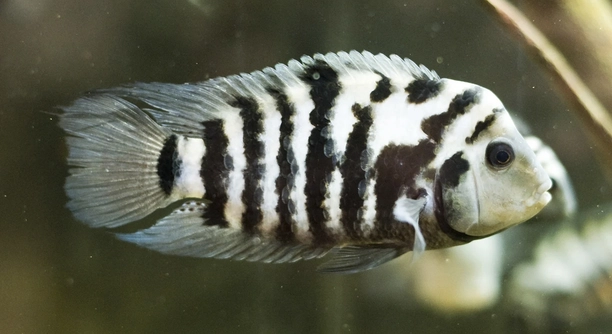
Male African cichlids are known for their vibrant colors and dynamic behaviors. However, aggression is a common challenge for many aquarium enthusiasts. Understanding the reasons behind this behavior can help create a better environment for these fish.
Aggression in male African cichlids is caused by several factors including territorial disputes, competition for mates, overcrowding, inadequate hiding spaces, poor water quality, stress, and improper diet. Each factor influences the fish’s behavior and overall well-being.
Recognizing these causes will help you manage aggression effectively and maintain a peaceful aquarium environment for your cichlids.
Territorial Disputes
Male African cichlids are highly territorial by nature. They defend their space aggressively to secure shelter and breeding areas. When kept in confined tanks, territorial disputes intensify as each male tries to establish dominance. This leads to constant chasing, biting, and stress among the fish. Providing enough space and distinct hiding spots can help reduce this behavior. Territorial boundaries give each male a sense of security and lessen the need for constant confrontation. Without proper territories, aggression escalates quickly, often resulting in injury or death. Observing how your fish interact can help you identify when territorial aggression is a problem and adjust the tank setup accordingly. Managing territory carefully is crucial to maintaining peace in a community of African cichlids.
Territorial aggression is often the main cause of fights among male cichlids. Proper tank size and layout are essential to limit these conflicts.
Separating aggressive males or increasing tank size can significantly reduce territorial battles. Using rocks, plants, and caves to create clear boundaries encourages natural behavior and lowers stress. Regular observation helps catch early signs of conflict, allowing timely intervention. Proper management of territories ensures healthier and calmer fish, enhancing their overall well-being and the tank’s harmony.
Competition for Mates
Male African cichlids compete fiercely for female attention. This competition raises aggression as males display dominance through color changes, chasing, and physical confrontations. The presence of females increases tension among males, especially if the ratio is uneven or if the tank is too small. Providing more females than males helps balance this competition, reducing aggressive encounters. Without enough females, males constantly compete for limited breeding opportunities, escalating fights and stress. Properly managing the sex ratio in your tank plays a key role in controlling this type of aggression. Understanding how breeding dynamics influence behavior allows better tank management and healthier fish relationships.
Overcrowding
Overcrowding in the tank leads to increased stress and aggression. Limited space means more frequent encounters and less chance for fish to escape conflict.
When too many male African cichlids share a small tank, territorial boundaries blur and fights become common. Overcrowding also causes water quality to deteriorate quickly, which further stresses the fish and triggers aggressive behavior. Ensuring adequate tank size relative to the number of fish is crucial. Overcrowding prevents natural behavior and creates a tense environment, increasing chances of injury and illness among the fish.
Providing enough space allows males to establish their own territories and reduces the constant pressure of competition. This balance helps keep aggression at manageable levels and promotes healthier social interactions among your cichlids.
Inadequate Hiding Spaces
Lack of hiding spots makes aggression worse by offering no refuge for weaker fish. Without places to retreat, stress and attacks increase.
Hiding spaces such as rocks, caves, and plants are essential in a cichlid tank. They allow fish to escape threats and reduce direct confrontations. When hiding places are sparse or poorly arranged, subordinate males feel trapped and become targets for repeated aggression. Proper decoration and tank structure improve fish welfare and lower tension.
Carefully designing the tank with ample hiding spaces helps balance dominance hierarchies and keeps aggression from becoming constant. This setup encourages more natural behavior and allows fish to coexist more peacefully over time.
Poor Water Quality
Dirty or poorly maintained water stresses male African cichlids and increases aggression. Waste buildup and unstable water parameters affect their health and behavior.
Maintaining clean water through regular changes and proper filtration keeps fish calm and reduces aggressive outbursts. Consistent water quality is essential for their well-being and lowers stress-induced fighting.
Stress
Stress causes male cichlids to act aggressively. Factors like sudden changes in environment, loud noises, or rough handling can trigger heightened aggression.
Reducing stress by keeping a stable, quiet environment helps maintain peace in the tank. Stress management supports healthier behavior and lessens conflicts among the fish.
Improper Diet
An unbalanced diet can increase aggression in male African cichlids. Poor nutrition affects their energy and behavior negatively.
Feeding a varied, high-quality diet ensures they stay healthy and less prone to aggressive tendencies. Proper nutrition supports overall well-being and calmer social interactions.
FAQ
Why are male African cichlids so aggressive?
Male African cichlids naturally display aggression due to their territorial instincts and competition for mates. This behavior helps them secure space and breeding rights in the wild. In captivity, confined spaces and limited resources intensify these natural tendencies, making aggression more noticeable.
How can I reduce aggression among male cichlids in my tank?
Reducing aggression starts with providing enough space and hiding spots for each fish. Maintaining good water quality and a proper male-to-female ratio also helps. Avoid overcrowding, and monitor fish closely for signs of stress or injury to intervene early.
Is aggression always harmful to my cichlids?
Not all aggression is harmful. Some level of territorial behavior is normal and helps establish social order. However, constant fighting or severe injuries indicate a problem that needs attention, such as tank overcrowding or lack of hiding places.
What is the ideal tank size to reduce aggression?
A larger tank reduces territorial conflicts. For male African cichlids, at least 55 gallons is recommended when housing multiple males. Bigger tanks allow fish to claim separate territories and reduce frequent aggressive encounters.
How many females should I keep with males?
A good rule is to keep at least two or three females per male. This ratio spreads out breeding attention and lowers competition among males. Uneven ratios can lead to increased fights and stress.
Can diet affect aggression in male African cichlids?
Yes, diet influences behavior. Poor nutrition or lack of variety can make fish more irritable and prone to fighting. Feeding a balanced diet rich in proteins and vitamins supports calmer, healthier fish.
What signs indicate aggression is becoming a problem?
Signs include torn fins, constant chasing, hiding, and visible injuries. If one or more fish are stressed or injured regularly, the tank conditions need adjustment to prevent serious harm.
How often should I clean the tank to keep aggression down?
Regular cleaning helps maintain water quality and reduce stress. Partial water changes of 20-30% weekly or biweekly, depending on tank size and stocking levels, are usually effective in preventing aggression linked to poor water conditions.
Is it necessary to separate aggressive males?
If aggression is severe and persistent, separating aggressive individuals may be necessary to protect other fish. Dividers or separate tanks can help reduce stress and injuries until a long-term solution is found.
Can rearranging the tank decorations help reduce aggression?
Yes. Changing the tank layout disrupts established territories and gives fish a fresh environment to claim new spaces. Adding more hiding places also reduces confrontations and helps balance dominance.
Does lighting affect aggression in African cichlids?
Bright or harsh lighting can increase stress, leading to more aggressive behavior. Using dimmer or natural lighting helps create a calmer atmosphere and reduces aggression levels.
Are there specific cichlid species that are less aggressive?
Some African cichlid species show less intense aggression. Researching species behavior before adding them to your tank can help choose fish better suited for peaceful community settings.
How important is monitoring fish behavior daily?
Daily observation allows early detection of aggressive patterns or injuries. Prompt action prevents serious problems and ensures a healthier environment for all fish in the tank.
What role does stress play in aggression?
Stress triggers defensive and aggressive responses. Reducing stressors like sudden changes, loud noises, or poor tank conditions is vital for lowering aggression in male cichlids.
Can medications reduce aggression in cichlids?
Medications do not directly reduce aggression and should only be used for treating illness. Addressing environmental factors is the most effective way to manage aggressive behavior.
How can I safely introduce new fish without causing aggression?
Introduce new fish gradually with quarantine periods. Rearrange the tank layout before introduction to break existing territories. Adding fish at the same time can reduce bullying of newcomers.
Does water temperature influence aggression?
Higher temperatures can increase metabolism and activity, sometimes leading to more aggressive behavior. Maintaining stable, appropriate temperature levels helps control aggression.
Is aggression more common during breeding?
Yes, breeding increases territorial and protective behavior in males. Providing extra space and hiding spots during this time reduces stress and fighting.
What should I do if my fish are injured from fighting?
Isolate injured fish to prevent further attacks and allow healing. Maintain clean water and consider using antibacterial treatments if wounds show signs of infection. Improving tank conditions will help prevent future injuries.
Can tank mates influence aggression in male African cichlids?
Yes. Aggressive or incompatible species can increase tension. Choosing compatible tank mates reduces stress and helps keep aggression under control.
How long does aggressive behavior usually last?
Aggression can last weeks or months depending on tank conditions and fish personality. With proper management, it usually decreases as territories stabilize.
Is it better to keep male African cichlids alone?
Keeping males alone reduces fighting but limits social behavior. If space and setup are appropriate, multiple males can coexist peacefully with proper management.
What tank decorations help reduce aggression?
Rock formations, caves, and dense plants provide hiding spaces and break sight lines. These help reduce stress and give fish places to claim as territory without constant confrontation.
Does the age of the fish affect aggression?
Younger cichlids tend to be less aggressive, but as males mature, territorial instincts grow stronger. Managing aggression is more important as fish reach adulthood.
Can frequent water testing help control aggression?
Yes. Monitoring parameters like ammonia, nitrite, nitrate, and pH ensures water quality remains stable, reducing stress-induced aggression.
How important is a consistent feeding schedule?
Regular feeding reduces competition and frustration that can trigger fights. Maintaining a consistent routine helps keep behavior stable and less aggressive.
What’s the best way to monitor aggression without stressing the fish?
Observe quietly from a distance and avoid sudden movements. Use indirect lighting and give fish time to settle before making changes or interventions.
Are certain times of day more aggressive for cichlids?
Aggression can peak during feeding or breeding times. Understanding these patterns helps prepare and manage fish behavior more effectively.
How can I encourage peaceful behavior in my cichlids?
Provide adequate space, hiding spots, proper diet, and stable water conditions. Managing stress and social dynamics encourages calmer interactions and reduces aggression overall.
Understanding aggression in male African cichlids is essential for maintaining a healthy and peaceful aquarium. These fish naturally exhibit aggressive behavior due to their territorial instincts and competition for mates. However, aggression can become a problem if it leads to constant fighting, injuries, or stress among the fish. By identifying the main causes of aggression—such as territorial disputes, overcrowding, lack of hiding spaces, poor water quality, stress, competition for mates, and improper diet—you can take the right steps to manage and reduce this behavior effectively. Creating an environment that supports natural behavior while minimizing conflict helps ensure your cichlids stay healthy and active.
Managing aggression in your tank requires a balance of several factors. Providing enough space is one of the most important elements, as overcrowding often triggers frequent confrontations. Along with tank size, adding plenty of hiding spots gives subordinate fish places to retreat and reduces stress. Keeping water quality high through regular cleaning and monitoring is also vital, as poor conditions can increase irritability and aggression. Adjusting the male-to-female ratio by having more females can lessen competition for mates, further calming the tank environment. Feeding a varied and nutritious diet supports the fish’s overall well-being and can help reduce aggressive tendencies.
Although aggression is a natural part of male African cichlid behavior, it should not be left unchecked. Observing your fish regularly and understanding their needs allows you to make timely changes that improve their quality of life. Small adjustments like rearranging decorations or separating overly aggressive individuals may be necessary in some cases. With patience and careful attention, you can create a balanced aquarium where your cichlids coexist peacefully. Taking these steps will help your fish thrive and provide you with a more enjoyable and less stressful fishkeeping experience.

Hello,
If you enjoy the content that we create, please consider saying a "Thank You!" by leaving a tip.
Every little bit helps us continue crafting quality advice that supports the health, happiness, and well-being of pets around the world, for pets of all shapes, sizes, and species.
We really appreciate the kindness and support that you show us!