
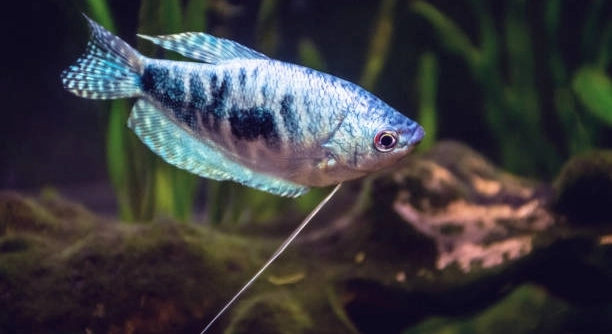
Nervous gouramis often react quickly to changes in their environment. Their delicate nature makes them sensitive to movement, light, and water conditions, which can sometimes make caring for them a challenge. Small adjustments can help calm them.
Providing a calm environment, gentle handling, and consistent water parameters are the most effective ways to reduce stress in nervous gouramis. Techniques such as soft lighting, hiding spaces, and slow introduction of new tank mates can promote relaxation.
These calming strategies can make your gouramis feel more secure and improve their overall well-being in the aquarium. Proper care ensures a healthier, more peaceful tank environment for everyone.
Creating a Calm Aquarium Environment
A calm aquarium is essential for nervous gouramis. Start by arranging plants and decorations to provide hiding spots. Floating plants can soften bright lights and reduce stress. Gentle water movement helps mimic natural conditions without overwhelming your fish. Avoid sudden changes in temperature or water chemistry, as gouramis are sensitive to shifts. Regular tank maintenance, like partial water changes, ensures a stable environment. Observing their behavior can help you notice early signs of stress. Soft lighting and consistent feeding times also contribute to a sense of security. Overcrowding the tank should be avoided since it increases competition and tension among fish. By keeping the tank organized, quiet, and stable, your gouramis can feel safe and comfortable. Even small adjustments, like adding a new hiding place or adjusting the flow of the filter, can make a noticeable difference in their behavior. A calm setup helps maintain their natural coloration and activity.
Providing a structured environment helps nervous gouramis feel secure and reduces erratic movements in the tank.
With a steady routine, proper hiding spots, and gentle water flow, your gouramis are likely to explore more, interact peacefully, and display healthier behaviors, improving the overall harmony of the aquarium.
Gentle Interaction and Feeding
Limit sudden movements near the tank to avoid startling your gouramis.
Hand-feeding or offering food in a predictable location helps gouramis associate presence with positive experiences. Using tweezers or feeding tools can reduce the stress of direct contact. Feed small portions several times a day rather than one large amount. This prevents competition and ensures all fish get adequate nutrition. Speaking softly or moving calmly around the tank can reinforce a sense of safety. Observing how each gourami reacts during feeding helps you understand their individual temperaments. Over time, your fish may begin to respond to your presence with less fear and more curiosity. Avoid tapping on the glass, as it can cause sudden panic. Rotating different types of food, like flakes and frozen options, keeps meals interesting and encourages natural foraging behaviors. Regular feeding routines combined with gentle interaction support a relaxed atmosphere and reduce overall stress levels in your nervous gouramis.
Using Hiding Spots Effectively
Hiding spots give nervous gouramis a sense of security. Plants, caves, or decorations let them retreat when stressed. Position these areas in quieter parts of the tank to reduce exposure to sudden movements or bright lights.
Strategically placing hiding spots encourages natural behavior and lowers stress. Gouramis may spend time exploring the tank but will use these areas when feeling insecure. Dense plants along the edges can create shaded zones, while small caves or ornaments offer tight spaces for retreat. Changing decorations gradually allows them to adjust without fear. Overcrowding hiding spots can create confusion, so balance is key. Observing where gouramis naturally hide can guide placement for comfort.
Hiding spots also help during feeding or tank maintenance. Gouramis can retreat until the activity slows, preventing panic or injury. Over time, consistent use of these spots improves their confidence and overall tank harmony.
Soft Lighting and Calm Water Flow
Soft lighting reduces stress in nervous gouramis by mimicking their natural environment. Avoid bright overhead lights or sudden flashes.
Gentle water flow is crucial to prevent overstimulation. Filters and pumps should be adjusted to create slow, steady currents. Fast currents can tire gouramis and cause erratic swimming, while calm flow supports natural movement and exploration. Observing their reaction helps fine-tune settings for comfort. Combining dimmed lighting with controlled water flow creates a serene atmosphere that supports healthy behavior. Adjusting these factors gradually helps fish acclimate without stress.
Regular maintenance of water flow and lighting also prevents sudden changes that can startle gouramis. Integrating floating plants or using dimmable lights can further soften the environment. Over time, consistent conditions improve their color, appetite, and activity levels, making the aquarium more peaceful and enjoyable for both fish and caretaker.
Maintaining Consistent Water Temperature
Stable water temperature helps nervous gouramis stay calm. Sudden changes can stress them, so use a reliable heater and monitor regularly.
Avoid placing the tank near windows or vents. Consistent temperature reduces erratic swimming and promotes healthy behavior.
Minimizing Noise and Vibrations
Keep the tank in a quiet area. Loud sounds and vibrations can startle gouramis, making them hide or dart around. Soft background noise, like gentle music, is less likely to cause stress. Maintaining a peaceful environment supports calmer, more natural behavior.
Gradual Introduction of Tank Mates
Introducing new fish slowly prevents aggression and reduces stress. Quarantine new arrivals and allow visual contact before full integration. This approach helps nervous gouramis adjust without feeling threatened or overwhelmed, preserving tank harmony.
Observing Behavioral Changes
Watch for changes in swimming, color, or appetite. Early detection of stress allows timely adjustments to environment, diet, or tank setup, keeping gouramis healthy and calm.
FAQ
How can I tell if my gourami is stressed?
Stressed gouramis often hide more than usual, dart around suddenly, or lose their color. They may stop eating or spend most of their time at the bottom of the tank. Watching for these changes helps you identify stress early and make adjustments.
What is the best way to reduce stress during tank maintenance?
Perform maintenance slowly and quietly. Avoid sudden movements, and work around hiding spots. Partial water changes instead of full ones prevent shock. Moving decorations carefully and keeping lights dimmed during cleaning helps gouramis feel secure and reduces panic.
Are certain foods better for nervous gouramis?
Yes, offering small, frequent meals with high-quality flakes, pellets, or frozen foods supports calm behavior. Avoid overfeeding, as leftover food can reduce water quality and increase stress. Rotating food types encourages natural foraging instincts and keeps fish engaged.
How many hiding spots should I provide?
A balance of three to five well-placed hiding spots per tank is usually sufficient. Overcrowding the tank with too many hiding places can cause confusion. Observe where gouramis naturally retreat and adjust placement accordingly for comfort.
Does lighting affect their behavior?
Bright or fluctuating lights can stress nervous gouramis. Soft lighting, shaded areas, and floating plants help simulate a natural environment, encouraging relaxed swimming and exploration. Dim lights during feeding or maintenance reduce sudden reactions.
Can gouramis be handled safely?
Minimal handling is best. If necessary, use soft nets and move slowly. Handling should be limited to emergencies like transferring tanks or treating illness. Excessive handling causes stress and can damage their delicate fins.
How do I introduce new fish to the tank?
Introduce new fish gradually. Quarantine newcomers and allow visual contact first. Slowly add them to the main tank to prevent aggression. Monitor reactions closely, and provide extra hiding spots during the adjustment period to protect nervous gouramis.
What is the ideal water flow for them?
Gentle, steady water flow is ideal. Strong currents tire them and trigger panic. Adjust filters or use deflectors to slow the flow. Observing their swimming patterns helps fine-tune conditions for a calm, balanced environment.
Do gouramis prefer plants or decorations?
Both are beneficial. Plants offer shade and soften light, while decorations provide secure hiding spaces. Combining both creates zones for exploration and retreat, which reduces stress and encourages natural behavior.
How can I tell if my gourami is comfortable?
Comfortable gouramis swim confidently, explore the tank, and display bright colors. They feed regularly and interact with their environment without sudden retreats. Observing daily behaviors gives insight into their overall well-being.
Are temperature fluctuations harmful?
Yes, sudden temperature changes can cause stress or illness. Maintain stable water conditions with a reliable heater, avoid drafty areas, and monitor with a thermometer. Small fluctuations over time may be tolerated, but rapid swings should be prevented.
How often should I monitor water parameters?
Check water parameters at least once a week. pH, ammonia, nitrite, nitrate, and temperature stability are crucial for nervous gouramis. Consistent monitoring ensures a calm, healthy environment and prevents stress-related health issues.
What signs indicate aggression from tank mates?
Chasing, nipping, or blocking access to hiding spots signals aggression. If this occurs, separate aggressive fish or add extra hiding spaces. Observing interactions helps maintain peace and reduces stress in nervous gouramis.
Can music or sound affect them?
Yes, loud or sudden noises startle gouramis. Soft, steady background noise is less disruptive. Placing the tank away from high-traffic areas ensures a calmer environment for your fish.
How long does it take for gouramis to adjust to a new tank?
Adjustment typically takes one to two weeks, depending on tank conditions and individual temperament. Providing hiding spots, gentle water flow, and stable lighting accelerates acclimation and promotes confident exploration.
What is the best way to calm gouramis during feeding?
Feed small amounts in predictable locations. Using tweezers or controlled placement reduces competition and stress. Consistent feeding routines help gouramis feel secure and associate your presence with positive experiences.
How important is tank size for their calmness?
Adequate space reduces stress. A minimum of 20 gallons per gourami provides enough room for swimming, hiding, and establishing territory. Crowding increases tension, triggers aggressive behavior, and limits their ability to retreat safely.
Do gouramis benefit from visual barriers?
Yes, plants or decorations that create partial barriers help shy gouramis feel protected. They can observe the tank without feeling exposed, reducing stress and supporting natural behaviors.
How do I prevent sudden panic in the tank?
Keep movements slow around the tank, maintain stable water conditions, and avoid sudden lights or noises. Providing hiding spots, gentle water flow, and soft lighting ensures a secure and calm environment, reducing the chance of panic.
Can stressful behavior affect health?
Yes, prolonged stress can weaken the immune system, reduce appetite, and make gouramis more susceptible to disease. Maintaining a calm environment with proper care and monitoring behaviors is essential for their overall health and longevity.
Nervous gouramis require patience and careful attention to feel secure in an aquarium. Their small size and sensitive nature make them more prone to stress than some other fish species. By providing a calm environment, consistent water parameters, and gentle handling, you can help them stay relaxed and healthy. Simple adjustments like soft lighting, moderate water flow, and strategically placed hiding spots can make a big difference in their comfort level. Observing their behavior daily allows you to respond quickly to signs of stress, which prevents long-term health issues. Understanding their natural tendencies and needs is key to creating an environment where they can thrive.
Feeding and interaction routines also play a significant role in keeping nervous gouramis calm. Offering small, frequent meals of high-quality food reduces competition and ensures that each fish receives adequate nutrition. Introducing new tank mates gradually and allowing visual contact before full integration prevents aggression and unnecessary stress. Even the smallest changes, like moving slowly around the tank or using tools for feeding, can reassure your fish and strengthen their sense of safety. Over time, consistent care practices build trust between your gouramis and their environment, allowing them to explore more freely and display natural behaviors. Their colors may become more vibrant, activity levels may increase, and overall health improves with attentive care.
Maintaining a stable and secure aquarium benefits not only the fish but also the experience of keeping them. Calm gouramis are easier to observe and enjoy, as they display more predictable and peaceful behavior. Keeping water conditions stable, avoiding loud noises, and providing adequate space ensures that your fish are not constantly on edge. Hiding spots, plants, and gentle water flow create zones where gouramis feel safe and can retreat when necessary. By combining proper care, routine observation, and small environmental adjustments, nervous gouramis can lead long, healthy lives. Investing time and attention into their well-being helps create a peaceful aquarium where fish feel secure, thrive naturally, and bring satisfaction to their caretaker.

Hello,
If you enjoy the content that we create, please consider saying a "Thank You!" by leaving a tip.
Every little bit helps us continue crafting quality advice that supports the health, happiness, and well-being of pets around the world, for pets of all shapes, sizes, and species.
We really appreciate the kindness and support that you show us!