
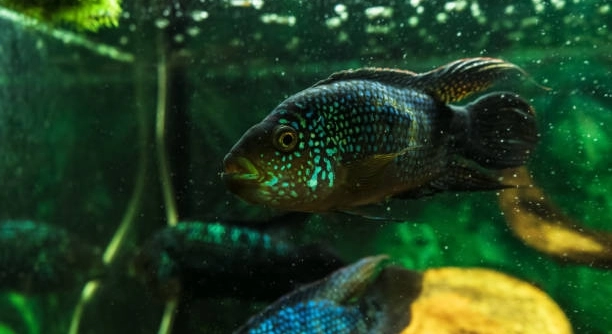
Jack Dempsey fish are known for their vibrant colors and territorial behavior, making them a fascinating species for aquarium enthusiasts. Observing their breeding habits can be both exciting and challenging for hobbyists at any level.
Jack Dempsey fish respond to specific breeding triggers, including water temperature, pH levels, tank setup, diet, lighting, mating behaviors, and the presence of suitable spawning surfaces. Each factor plays a crucial role in encouraging reproductive activity effectively.
Learning how these triggers work can help you create the ideal environment for successful breeding. Understanding their needs ensures healthier, more vibrant fish in your tank.
Water Temperature
Jack Dempsey fish are highly sensitive to water temperature when it comes to breeding. Maintaining a stable temperature between 78°F and 85°F encourages spawning behavior. Sudden fluctuations can stress the fish and inhibit reproductive activity. Warmer water generally increases activity and stimulates mating instincts. In contrast, cooler water slows metabolism and reduces interest in breeding. Monitoring the temperature closely with a reliable thermometer ensures the tank stays within the ideal range. Small heaters or adjustable thermostats can help maintain stability. Additionally, pairing temperature adjustments with other breeding triggers like diet and tank setup improves success rates. Some fishkeepers slightly raise the temperature during breeding periods, then gradually lower it afterward to prevent stress. Proper temperature control also promotes overall health, which is critical for successful spawning. Juvenile and less experienced fish may take longer to respond, so patience is essential. Combining warmth with a calm environment encourages the pair to focus on nesting and fertilization.
Maintaining the correct temperature supports both activity and health, increasing the likelihood of successful spawning in Jack Dempsey fish.
Temperature is just one factor in breeding. Consistency helps fish feel secure, while small changes can prompt natural behaviors.
Tank Setup
A proper tank setup is crucial for Jack Dempsey breeding. Providing flat rocks or caves gives them places to clean and lay eggs. A spacious tank reduces stress and aggression between mating pairs. Substrate choice, such as fine gravel or sand, allows them to dig and prepare nests. Plants or artificial decorations offer hiding spots for shy fish. Clear, open swimming areas enable courtship displays without interference. Water circulation should be gentle, avoiding strong currents that can disrupt spawning. Lighting affects behavior, with moderate daylight cycles supporting natural rhythms. Filtration should maintain clean water without creating strong turbulence. Organizing the tank so breeding pairs feel territorial yet secure encourages consistent mating activity. Separating aggressive fish or providing dividers can prevent injuries and ensure the female feels safe. Observing the pair daily helps recognize readiness and prevents conflicts. A well-planned setup increases comfort, reduces stress, and improves egg fertilization rates.
Proper structures and space support natural behaviors, making breeding smoother and less stressful for the fish.
A secure and comfortable tank helps the pair focus on reproduction rather than defense, promoting healthier, viable eggs.
Diet
A high-protein diet is essential to trigger breeding in Jack Dempsey fish. Live or frozen foods like brine shrimp, bloodworms, and small insects stimulate energy and reproductive readiness. Regular feeding improves vitality and supports egg production.
Providing a balanced, protein-rich diet increases fertility and encourages natural spawning behaviors. Fish respond positively to varied foods, which enhances coloration and overall health. High-quality pellets can supplement live foods, ensuring nutrition is consistent. Overfeeding should be avoided to prevent water quality issues that can stress the fish. Seasonal or periodic feeding adjustments may also mimic natural conditions, further encouraging mating instincts. Consistent diet management combined with other breeding triggers results in higher chances of successful spawning.
Even slight changes in food type or frequency can influence readiness. Observation helps identify preferences and ensures both male and female remain in peak condition for reproduction.
Lighting
Moderate, consistent lighting supports reproductive activity in Jack Dempsey fish. Sudden changes or overly bright light can cause stress, reducing interest in breeding.
A lighting schedule that mimics natural day and night cycles helps regulate hormones and encourages mating behavior. Keeping lights on for about 10–12 hours per day provides stability. Dim or shaded areas allow the fish to feel secure while preparing nests or tending eggs. Gradual increases or decreases in lighting can signal seasonal changes, promoting readiness for spawning. Light intensity should avoid causing agitation, and indirect light works best for calm behavior. Observing the fish’s activity under different lighting helps fine-tune conditions.
Consistent lighting paired with proper water temperature and diet greatly improves the chances of successful breeding. It also helps the pair establish a routine, reducing stress and aggression.
Mating Behavior
Jack Dempsey fish display clear courtship behaviors when ready to breed. Males often flare their fins, circle the female, and clean potential spawning sites. These actions signal readiness and encourage the female to prepare for egg-laying.
Observing these behaviors helps determine the best timing for breeding. Recognizing subtle cues like gentle nudges or increased territorial displays ensures intervention is minimized, letting natural processes take place efficiently.
Spawning Surfaces
Providing suitable spawning surfaces is vital for successful breeding. Flat rocks, slate, or smooth ceramic tiles allow eggs to be laid and guarded properly.
These surfaces help males maintain territory and protect eggs from being disturbed. The female can deposit eggs securely, while the male tends to them, fanning and guarding until they hatch. Choosing surfaces that are easy to clean also reduces risks of fungus and maintains water quality. Consistency in the location of these surfaces helps the fish recognize safe, familiar areas for reproduction, enhancing egg survival rates.
Water Quality
Stable water quality is crucial for breeding success. Maintaining low ammonia and nitrate levels while keeping pH within 6.5–7.5 encourages healthy spawning.
FAQ
How do I know when my Jack Dempsey fish are ready to breed?
Males show bright colors, flare their fins, and start cleaning flat surfaces. Females become rounder as eggs develop and may spend more time near the male. Observing these behaviors consistently helps determine when they are ready for spawning.
What is the best water temperature for breeding?
Keep the water between 78°F and 85°F. This range encourages activity and reproductive behavior. Sudden fluctuations can stress the fish and prevent mating, so maintaining stable temperature with a reliable heater is essential.
How often should I feed them during breeding?
A protein-rich diet should be offered daily, using live or frozen foods like brine shrimp or bloodworms. High-quality pellets can supplement, but avoid overfeeding to maintain water quality. Feeding consistently helps increase fertility and overall health.
What kind of tank setup works best for breeding?
Provide flat rocks, caves, and fine substrate for nesting. Include open swimming areas for courtship and gentle water circulation. Plants or decorations offer hiding spots for shy fish. Proper space and structures reduce stress and encourage natural behaviors.
Do lighting conditions affect breeding?
Yes, consistent moderate lighting of 10–12 hours per day supports natural rhythms. Dim or shaded areas allow the fish to feel secure. Gradual adjustments can mimic seasonal changes and encourage spawning without causing stress.
Can multiple pairs breed together in the same tank?
It is not recommended. Jack Dempsey fish are territorial, and multiple pairs increase aggression, which can stress the fish and damage eggs. Separate tanks or dividers help ensure safety and higher chances of successful breeding.
How long does it take for eggs to hatch?
Eggs usually hatch within 3–5 days, depending on water temperature. Warmer water speeds up development slightly. During this period, the male guards and fans the eggs to provide oxygen and prevent fungus growth.
Should I remove the parents after spawning?
Generally, it is better to leave the parents with the eggs unless aggression becomes dangerous. Males are protective, but females may become stressed after laying eggs. Monitor behavior and intervene only if necessary.
What are common problems during breeding?
Egg fungus, aggression, and poor water quality are the main issues. Clean water, proper diet, and observation help prevent these problems. Providing suitable spawning surfaces reduces risks of eggs being abandoned or eaten.
Can I encourage breeding naturally without chemical additives?
Yes, focusing on temperature, water quality, diet, lighting, and proper tank setup usually triggers breeding naturally. Avoid unnecessary chemicals, as stable and healthy conditions are more effective and safer for the fish.
How can I tell if eggs are fertilized?
Fertilized eggs appear clear or slightly yellowish, while unfertilized eggs turn white and opaque. The male will typically remove unfertilized eggs to prevent fungus from spreading. Regular observation ensures early detection of issues.
What do I do after the fry hatch?
Once fry hatch, feed them infusoria or liquid fry food at first. Gradually introduce baby brine shrimp as they grow. Keep water clean and stable, and monitor the parents’ behavior, as they may continue guarding or even eat the fry if stressed.
Can Jack Dempsey fish breed more than once a year?
Yes, with proper care, multiple breeding cycles are possible annually. Maintaining consistent temperature, diet, and tank conditions ensures the fish remain healthy and capable of repeated spawning.
Is it necessary to separate fry from adults immediately?
It depends on the parents’ behavior. Males often protect fry, but aggressive adults may eat them. Observing interactions is key. If aggression is present, transfer fry to a separate rearing tank for safety.
How important is pH during breeding?
pH between 6.5 and 7.5 is ideal. Stability in pH prevents stress and supports egg development. Sudden shifts can inhibit spawning or harm eggs, so regular testing and adjustments are important.
Do Jack Dempsey fish need special lighting for spawning?
Moderate, consistent lighting works best. Extreme brightness or darkness can cause stress. Shaded areas within the tank allow fish to feel secure while preparing nests and caring for eggs.
Can breeding be encouraged with water changes?
Yes, small partial water changes with slightly warmer water can simulate rainy season conditions, stimulating spawning behavior. Large or abrupt changes should be avoided to prevent stress.
What is the role of territorial behavior in breeding?
Territoriality is essential. Males establish and defend areas around nesting sites, which signals readiness to females. Providing enough space and proper hiding spots reduces conflicts and improves egg survival rates.
How do I maintain fry health in the first few weeks?
Keep water clean, provide frequent small feedings of suitable fry food, and monitor temperature and pH closely. Gradually increase food size as they grow, and ensure the tank is free from aggressive fish or disturbances.
Are Jack Dempsey fish easy to breed in home aquariums?
With the right conditions, yes. Attention to temperature, diet, lighting, tank setup, and water quality creates an environment that encourages natural breeding behavior, increasing the likelihood of healthy eggs and fry.
How long until fry can be fed normal adult food?
Fry can start transitioning to finely crushed pellets or small live foods after 4–6 weeks, depending on growth. Gradual introduction ensures proper digestion and continued healthy development.
What precautions should I take during breeding?
Monitor aggression, maintain water quality, and provide suitable nesting sites. Observe interactions between the pair, and intervene only when necessary to prevent harm to eggs or fry. Consistency in all care aspects increases breeding success.
Can stress prevent breeding?
Yes, stress from poor water conditions, aggressive tankmates, or sudden changes can stop spawning. Creating a stable, calm environment encourages natural breeding behavior and improves egg survival.
How many eggs can a female lay?
A healthy female can lay several hundred eggs. Fertilization and survival depend on male care, water conditions, and suitable spawning surfaces. Consistent attention ensures maximum hatching success.
What is the best way to clean the tank during breeding?
Small, partial water changes with minimal disturbance work best. Avoid cleaning nests or moving decorations near eggs, as this can stress the fish or damage eggs. Maintaining gentle filtration supports water quality without disrupting breeding.
How long do males guard the eggs and fry?
Males typically guard eggs until they hatch, about 3–5 days, and often continue protecting fry for another week or two. Guarding includes fanning eggs for oxygen and chasing away potential threats.
Can Jack Dempsey fish breed in community tanks?
It is challenging due to territorial behavior. Aggressive interactions can harm eggs and fry. Separate tanks or careful pairing in spacious setups are more effective for successful breeding.
What role does the female play after laying eggs?
Females usually leave most of the guarding to the male but may assist in cleaning or relocating eggs if needed. Stress or aggression can cause the female to abandon the nest.
How do I prevent fungus on eggs?
Maintain clean water, remove unfertilized eggs promptly, and provide proper fanning from the male. Avoid overcrowding and ensure gentle water flow to reduce the risk of fungal growth.
Is breeding seasonal for Jack Dempsey fish?
In captivity, breeding can occur year-round if conditions are stable. Seasonal cues like slight temperature increases or minor water changes can mimic natural triggers to encourage spawning.
Can I breed Jack Dempsey fish without observing courtship?
Observing courtship improves timing and success, but some pairs may spawn without obvious displays. Monitoring behavior and environmental conditions ensures readiness and increases egg survival.
How do I handle aggressive behavior during breeding?
Provide sufficient space, hiding spots, and remove overly aggressive tankmates if needed. Avoid disturbing the pair, as interference can escalate conflicts and threaten eggs or fry.
What is the best way to introduce a male and female?
Introduce them gradually in a neutral tank with adequate space and hiding spots. Observing interactions for signs of aggression or acceptance helps ensure compatibility before spawning begins.
How often should water parameters be checked?
Daily checks for temperature, pH, ammonia, and nitrate levels are ideal during breeding. Stable conditions reduce stress and improve egg and fry survival rates.
Can Jack Dempsey fry survive without parental care?
Yes, but survival rates are lower. Providing proper food, clean water, and hiding spots can allow fry to grow without adult protection, though parental care improves chances significantly.
How can I tell if a male is neglecting eggs?
Eggs may become cloudy or develop fungus. Lack of fanning or aggression toward intruders can indicate neglect. In such cases, manual care or removing eggs to a separate rearing tank may be necessary.
Should I adjust diet after spawning?
Yes, gradually reduce protein-rich foods to normal levels for adults. High-protein diets are mainly needed before and during spawning to maintain energy and reproductive health.
Can I encourage a second spawning soon after the first?
With proper recovery time, water conditions, and diet, a second spawning is possible. Allowing the female to regain strength and ensuring a calm environment improves the chances of success.
What are signs of successful fertilization?
Fertilized eggs are clear or slightly yellowish, and the male actively guards them. Unfertilized eggs turn white and are often removed by the male to prevent fungus. Monitoring closely ensures early detection of problems.
How much space does a breeding pair need?
A tank of at least 55 gallons is recommended for a single pair. Adequate space reduces aggression, allows courtship displays, and provides room for nests and swimming.
What is the ideal water hardness for breeding?
Moderate hardness around 8–12 dGH supports egg development and overall health. Stable mineral levels contribute to successful spawning and fry growth.
How do I separate fry by size?
As fry grow, larger ones may outcompete smaller siblings. Use mesh dividers or separate rearing tanks to prevent starvation and ensure uniform growth.
Can Jack Dempsey fish breed with other cichlids?
Hybridization is possible but not recommended. Mixing species can produce weak offspring and increase aggression. Pure pairings yield healthier, more viable fry.
How often should I monitor the nest?
Check once or twice daily without disturbing the fish. Observe from a distance to ensure eggs are being fanned, clean, and safe from fungus.
What is the role of water circulation in breeding?
Gentle circulation provides oxygen without disturbing eggs. Strong currents can displace eggs and fry, causing stress or mortality. Proper filtration supports water quality while maintaining calm conditions.
Can stress from other fish affect spawning?
Yes, presence of aggressive or overly active tankmates can inhibit breeding. A calm environment and territorial space are necessary to encourage natural reproductive behavior.
How do I gradually introduce fry to adult foods?
Start with finely crushed pellets or small live foods, increasing size as they grow. Gradual transition prevents digestive issues and supports steady growth.
What temperature fluctuations are safe during breeding?
Minor changes of 1–2°F are usually acceptable, but large swings can halt spawning or harm eggs. Stability is far more important than sudden adjustments.
How can I tell if a pair is compatible?
Pairs that tolerate each other, perform courtship displays, and show minimal aggression are usually compatible. Observing behavior over several days confirms readiness.
Are there any signs of unhealthy eggs?
Cloudy, white, or fuzzy eggs often indicate fungus or poor fertilization. Prompt removal or treatment helps protect the remaining healthy eggs.
Can I use artificial lighting to simulate seasons?
Yes, adjusting duration and intensity gradually mimics seasonal changes. This can stimulate breeding behavior without causing stress or confusion.
How important is tank cleanliness during breeding?
Extremely important. Dirty water increases risk of fungus, disease, and stress. Gentle filtration and careful monitoring of water quality support successful egg and fry development.
Do Jack Dempsey fish lay eggs in open water or on surfaces?
They prefer flat surfaces like rocks or tiles. These locations allow males to guard eggs effectively and give females a secure place to deposit them.
How long before fry are free-swimming?
Fry become free-swimming about 5–7 days after hatching. At this stage, they can start taking small food particles and exploring the tank under parental supervision.
Can I encourage breeding by adjusting pH temporarily?
Minor adjustments within the safe range can simulate natural conditions and encourage spawning. Large or abrupt changes should be avoided to prevent stress.
What is the ideal male-to-female ratio for breeding?
One male per female is ideal. Multiple males increase aggression, while multiple females can reduce male attention and affect egg care.
How often should I clean decorations during breeding?
Only clean if necessary, avoiding nests or eggs. Minimal disturbance maintains calm and prevents accidental damage to eggs or fry.
What role does male coloration play in breeding?
Bright coloration signals health and readiness to the female. It also reinforces territorial dominance, encouraging successful mating and protection of eggs.
Can Jack Dempsey fish breed in small tanks?
Smaller tanks increase stress and aggression, reducing breeding success. Larger, properly arranged tanks give space for courtship and territorial behavior, improving results.
Is it better to breed young or mature fish?
Mature fish are more likely to produce viable eggs and successfully care for fry. Juveniles may show interest but often lack experience and strength for full breeding.
How do I prevent overbreeding?
Allow recovery periods between spawning, maintain healthy diet, and monitor stress. Repeated spawning without rest can weaken both male and female.
Can fry survive on live food alone?
Yes, initially, but gradually introducing finely crushed pellets or powdered foods ensures balanced nutrition and supports healthy growth.
How do I know if a male is stressed?
Signs include faded coloration, hiding, reduced aggression, or neglecting eggs. Providing calm conditions, proper space, and hiding spots reduces stress and improves breeding outcomes.
What is the maximum number of fry a pair can care for?
While hundreds of eggs can be laid, male care limits the number effectively guarded. Overcrowding can lead to neglect or cannibalism, so monitoring and sometimes separating fry is necessary.
How do seasonal changes affect breeding in captivity?
Slight adjustments in temperature, lighting, or water changes can mimic natural conditions and stimulate spawning. Stability and consistency remain more important than dramatic seasonal shifts.
Can Jack Dempsey fish breed without nesting materials?
They may attempt, but success rates are lower. Suitable surfaces give security, improve egg survival, and encourage natural guarding behaviors.
How can I reduce aggression during breeding?
Provide ample space, hiding spots, and separate aggressive individuals if necessary. Minimizing stress and overcrowding supports calmer interactions and better egg care.
Are there signs of an unhealthy female?
Lethargy, poor appetite, or uneven egg development can indicate health issues. Ensuring proper diet, water quality, and minimal stress supports reproductive success.
How long should I wait between spawning attempts?
Allow several weeks for recovery. Proper rest, diet, and calm conditions help both male and female regain strength for successful subsequent breeding.
Can I use temperature shocks to trigger spawning?
Minor, controlled increases can encourage activity, but extreme or sudden changes can harm fish and eggs. Gradual adjustments are safer and more effective.
Do Jack Dempsey fish recognize each other for future breeding?
Pairs that have successfully spawned may display recognition and compatibility in future breeding attempts, showing familiar courtship behaviors and reduced aggression.
What is the best way to track egg development?
Check daily from a distance, noting color, clarity, and presence of fungus. Observing the male’s care behavior also indicates healthy development.
How do I handle a failed spawning attempt?
Remove eggs if unhealthy, maintain optimal conditions, and allow recovery. Adjust diet, water, and environmental triggers before attempting breeding again.
Can environmental enrichment affect breeding success?
Yes, providing varied hiding spots, nesting materials, and safe swimming areas reduces stress and encourages natural behavior, improving reproductive outcomes.
What is the ideal substrate for breeding?
Fine gravel, sand, or smooth tiles work best. Substrate allows digging, nest preparation, and stable egg placement while supporting male guarding behavior.
How do I prevent fry from eating each other?
Provide ample space, hiding spots, and frequent small feedings. Monitoring density and growth rates ensures fry remain healthy and reduces cannibalism risk.
Can Jack Dempsey fish breed if stressed by tankmates?
Stress from aggressive or overly active tankmates can prevent spawning. Isolating the pair or creating secure territories encourages natural breeding behavior.
How long should I leave eggs with the male?
Leave eggs under male care until hatching and initial fry development. Monitor for neglect or aggression and intervene if necessary to protect the offspring.
What is the recommended pH for fry development?
Maintain pH between 6.5 and 7.5. Stable pH supports healthy egg and fry development, while sudden changes can harm survival rates.
Can I breed multiple pairs in the same tank safely?
It is risky due to aggression and territorial disputes. Separate tanks or careful pairing reduce stress and increase breeding success.
How do I care for eggs if the male becomes aggressive?
Remove the eggs to a separate tank or provide dividers. Gentle handling and clean water maintain safety and development.
What signs show fry are healthy?
Active swimming, regular feeding, and bright coloration indicate healthy fry. Monitoring growth and behavior ensures proper care and early intervention if needed.
Can Jack Dempsey fish breed with fluctuating temperatures?
Frequent or large fluctuations can prevent spawning and harm eggs. Consistency in temperature is essential for natural reproductive behavior.
How much protein is needed for breeding pairs?
High-protein foods daily, including live or frozen items, support energy, egg production, and overall vitality during breeding periods.
What should I avoid during breeding?
Avoid sudden changes in temperature, pH, lighting, or tank setup. Overcrowding, aggressive tankmates, and poor diet also reduce success rates.
How do I know when fry can handle adult foods?
Once they are free-swimming and have grown for several weeks, gradually introduce finely crushed pellets or small live foods. Transition slowly to avoid digestive issues.
Can breeding pairs tolerate other fish nearby?
Minimal disturbances from distant tankmates are acceptable, but close or aggressive fish can cause stress, aggression, and reduced egg survival.
Is manual fertilization necessary?
No, Jack Dempsey fish naturally fertilize eggs. Intervening is usually unnecessary unless issues arise with egg viability or male care.
How do I prepare the tank for the next breeding cycle?
Clean the tank carefully without disturbing structures, maintain water quality, and restore
Breeding Jack Dempsey fish can be a rewarding experience when the right conditions are provided. Understanding their natural behaviors and needs makes the process smoother and more successful. Water temperature, tank setup, diet, lighting, and suitable spawning surfaces all play essential roles in encouraging breeding. Maintaining stability in these areas reduces stress on the fish and increases the likelihood that eggs will be fertilized and fry will survive. Observing the pair closely without interfering too much helps ensure that the fish are comfortable and performing natural behaviors. A calm environment allows both the male and female to focus on the breeding process, including nest preparation, egg-laying, and guarding the fry. Small adjustments to their habitat, such as slight increases in temperature or minor changes in water flow, can simulate seasonal cues that naturally trigger spawning behavior. Consistent monitoring of water quality is also important, as poor conditions can lead to egg fungus, health problems, or reduced interest in breeding.
Proper feeding is another critical factor. A high-protein diet with live or frozen foods like brine shrimp, bloodworms, and small insects stimulates energy and reproductive readiness. Regular feeding supports egg development and improves coloration, which is important during courtship. Overfeeding should be avoided, as it can lead to water quality issues that stress the fish. Observing which foods the fish respond to best helps maintain vitality and encourages natural spawning behaviors. Both males and females need proper nutrition to successfully produce and care for eggs. Maintaining a consistent feeding schedule combined with environmental stability gives the fish the best chance to breed successfully. In addition, the male’s role in guarding the eggs and fanning them for oxygen is crucial. A well-fed, healthy male is more likely to perform these tasks effectively, which improves the survival rate of the fry.
Finally, patience and careful observation are essential throughout the breeding process. Not all pairs will spawn immediately, and some may take time to adjust to their environment. Understanding the triggers that influence Jack Dempsey fish, such as territory, nesting areas, and seasonal cues, helps prepare a tank for repeated breeding cycles. Avoiding unnecessary stress from tankmates or sudden changes in water conditions ensures that the fish remain healthy and active. By maintaining clean water, proper lighting, suitable tank structures, and a balanced diet, hobbyists can create an environment that encourages natural reproductive behaviors. Following these practices increases the likelihood of successful egg fertilization and healthy fry development. Paying attention to details, being consistent with care, and responding calmly to any issues that arise can result in a productive and fulfilling breeding experience with Jack Dempsey fish.

Hello,
If you enjoy the content that we create, please consider saying a "Thank You!" by leaving a tip.
Every little bit helps us continue crafting quality advice that supports the health, happiness, and well-being of pets around the world, for pets of all shapes, sizes, and species.
We really appreciate the kindness and support that you show us!