
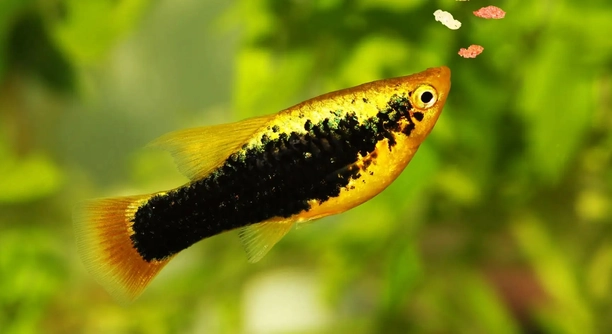
Platies are popular aquarium fish known for their vibrant colors and easy care. Many hobbyists enjoy breeding them to maintain healthy populations and create new color varieties. Understanding what triggers breeding can help keep platies thriving.
Breeding triggers for healthy platies include proper water temperature, balanced diet, clean environment, adequate lighting, suitable tank mates, stable pH levels, and regular water changes. These factors together encourage natural spawning behaviors and support fry development.
Learning about these triggers can improve breeding success and overall fish health. This knowledge helps hobbyists provide the best conditions for their platies to reproduce naturally.
Water Temperature and Its Role in Breeding
Maintaining the right water temperature is crucial for platies to breed successfully. Platies thrive in temperatures between 75°F and 80°F (24°C to 27°C). If the water is too cold or too warm, it can stress the fish and reduce their willingness to spawn. A steady temperature encourages regular breeding cycles and healthy fry growth. Sudden temperature changes should be avoided, as they can cause shock or illness. Using a reliable aquarium heater and thermometer helps keep the water stable. Monitoring the temperature daily ensures the environment stays within the ideal range. Stable water conditions support the platies’ metabolism and reproductive systems, increasing the chances of successful breeding. Proper temperature control is a simple but important step that many fish owners overlook. Consistency in water temperature allows platies to feel comfortable and promotes their natural behavior, which is essential for breeding.
Water temperature directly influences platies’ breeding frequency and fry survival rates, making it a key factor to manage carefully.
Ensuring consistent water temperature mimics natural conditions that stimulate platies’ breeding instincts. In nature, slight seasonal temperature variations trigger spawning, so keeping a steady, warm temperature in the tank signals to platies that it’s time to reproduce. When combined with other factors like proper nutrition and tank setup, temperature helps create an ideal environment for breeding. If you notice your platies are not spawning, checking the water temperature should be one of the first steps. Adjusting it within the recommended range can improve their health and readiness to breed. A well-maintained temperature also supports the development of eggs and fry, reducing the risk of deformities or mortality. Overall, temperature control is an essential piece of the breeding puzzle.
Balanced Diet for Healthy Breeding
A balanced diet is essential for platies to produce healthy offspring.
Feeding platies a variety of quality foods, such as flakes, pellets, and live or frozen foods like brine shrimp or daphnia, ensures they receive necessary nutrients. Proper nutrition strengthens their immune system and improves fertility, increasing the chances of successful breeding. Overfeeding should be avoided to prevent water quality issues. Feeding small portions two to three times a day keeps platies healthy and active.
Providing a nutritious diet supports reproductive health and helps fry grow strong after hatching. Good nutrition lays the foundation for successful breeding outcomes.
Clean Environment Encourages Spawning
A clean tank reduces stress and prevents diseases that can hinder breeding. Regular water changes and substrate cleaning keep the environment healthy for platies.
Maintaining a clean tank involves removing uneaten food, waste, and algae. Dirty water lowers oxygen levels and raises harmful toxins like ammonia and nitrites, which stress fish and reduce their breeding drive. Performing weekly water changes of about 25% helps maintain water quality. Using a gentle filter and avoiding strong currents keeps platies comfortable. Clean tanks also reduce the risk of fungal infections on eggs and fry, increasing their survival rates. Regular maintenance creates a stable environment that supports natural breeding behaviors, making it easier for platies to spawn successfully.
Keeping decorations and plants free of debris also helps. Live plants improve water quality and offer hiding places for fry, increasing their chances of survival after birth.
Adequate Lighting Supports Reproductive Health
Proper lighting affects platies’ activity and breeding cycles by mimicking natural day and night rhythms.
Platies need about 10 to 12 hours of light daily to maintain regular breeding habits. Lighting that is too bright or too dim can disrupt their behavior and stress the fish. Using a timer ensures consistent light cycles, which helps regulate their internal clocks. Natural or full-spectrum aquarium lights work best because they simulate sunlight, promoting healthy growth and spawning. Sudden changes in lighting or long periods of darkness may cause platies to stop breeding. Balanced lighting also supports the growth of live plants, which provide shelter for fry. Consistency in lighting helps platies stay active and ready to reproduce.
Suitable Tank Mates Improve Breeding Success
Peaceful tank mates reduce stress, allowing platies to breed naturally. Aggressive fish can disrupt spawning and harm fry.
Choosing compatible species like guppies or tetras helps maintain a calm environment. Avoid large or territorial fish that may bully platies or eat their young.
Stable pH Levels Are Crucial
Platies prefer a pH between 7.0 and 8.2 for breeding. Fluctuations can stress fish and stop spawning.
Keeping the pH stable supports overall health and encourages regular reproductive cycles. Test the water regularly and make gradual adjustments when needed.
Regular Water Changes Maintain Ideal Conditions
Changing 20-30% of the tank water weekly keeps toxins low and oxygen levels high. This routine supports healthy fish and breeding behavior.
Clean water helps fry survive by reducing harmful bacteria and providing a better environment for growth. Consistency is key to success.
FAQ
How often do platies breed?
Platies can breed frequently, often every four to six weeks under good conditions. When the environment is stable, with proper temperature, diet, and clean water, females can give birth to new fry multiple times a year. This makes them easy to keep for breeding purposes.
How can I tell if my platy is pregnant?
A pregnant platy’s belly will look noticeably rounder and fuller than usual. You may also see a dark gravid spot near the rear of the belly, which becomes more visible as the pregnancy progresses. Behaviorally, pregnant females tend to hide more or move slower.
Can platies breed without a male?
No, a male platy is needed for breeding. Platies reproduce sexually, so a male’s presence is essential to fertilize the female’s eggs. However, one male can fertilize multiple females if conditions are right.
What is the best tank setup for breeding platies?
A breeding tank should have stable temperature and pH, plenty of hiding spots with plants or decorations, and peaceful tank mates or none at all. The water must be clean, with regular changes to reduce stress. Avoid overcrowding to give fry enough space.
How long is the gestation period for platies?
The gestation period usually lasts between 24 and 30 days. This depends on water temperature and overall tank conditions. Warmer water often speeds up development, while cooler water can slow it down.
What should I feed baby platies?
Baby platies, or fry, need tiny foods like newly hatched brine shrimp, crushed flakes, or specialized fry food. Feeding them small amounts multiple times a day helps them grow quickly. Live foods also encourage natural hunting behaviors.
Can platies breed all year round?
Yes, if the tank conditions are ideal, platies can breed throughout the year. Stable temperature, clean water, and proper lighting create a constant environment that encourages continuous breeding.
How do I protect fry from adult fish?
Adult platies may eat their young. Using breeding boxes or separating pregnant females into a separate tank before they give birth can protect fry. Adding plenty of plants and hiding places also helps fry escape predation.
What causes platies to stop breeding?
Stress, poor water quality, lack of food, wrong temperature, or aggressive tank mates can stop platies from breeding. Checking and improving these conditions often helps restart spawning. Sometimes, giving fish a break from breeding can improve their health.
Is it necessary to remove the male after breeding?
It is not always necessary, but removing males can prevent constant mating stress on females. If females appear overly stressed or unhealthy, separating males can help balance the tank’s breeding activity.
Final Thoughts
Breeding healthy platies requires paying attention to several important factors. Maintaining a stable water temperature between 75°F and 80°F helps encourage natural spawning behavior. Along with temperature, keeping the water clean through regular changes and good filtration supports fish health and increases breeding success. Providing a balanced diet with a mix of quality flakes, pellets, and live foods ensures platies have the nutrients they need for reproduction. These basics create an environment where platies can thrive and reproduce naturally.
It is also important to manage other conditions such as lighting, pH levels, and tank mates. Consistent lighting helps regulate their internal cycles, while a stable pH between 7.0 and 8.2 supports their overall well-being. Choosing peaceful tank mates or keeping the breeding tank free of aggressive species reduces stress, which is critical for successful breeding. Providing hiding places with live plants or decorations protects both adults and fry, increasing survival rates. These small but significant details work together to create the ideal breeding environment.
Remember, patience and observation are key when breeding platies. Breeding can take time, and results may not always be immediate. Keeping an eye on water parameters and the behavior of your fish will help you know when adjustments are needed. By creating consistent conditions and meeting their basic needs, you increase the chance of healthy fry and a thriving platy population. These steps make breeding rewarding and help maintain the vibrant life in your aquarium.

Hello,
If you enjoy the content that we create, please consider saying a "Thank You!" by leaving a tip.
Every little bit helps us continue crafting quality advice that supports the health, happiness, and well-being of pets around the world, for pets of all shapes, sizes, and species.
We really appreciate the kindness and support that you show us!