
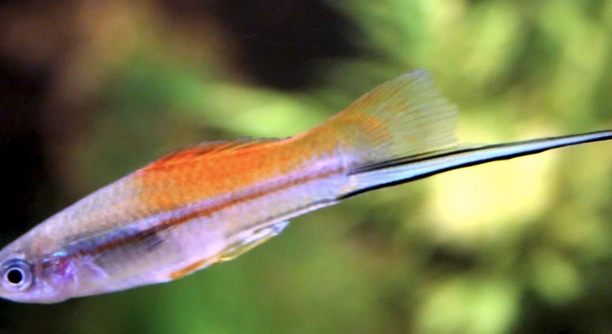
Swordtail fry are a popular choice for aquarium enthusiasts, and breeders often seek ways to produce larger and healthier fish. Knowing the right techniques can make a significant difference in their growth and survival rates.
To breed bigger swordtail fry, providing optimal water conditions, proper nutrition, and selective breeding are key. Ensuring the right balance of temperature, pH, and food types supports growth, while choosing the right breeding pairs can influence fry size and vitality.
With the right strategies, you can achieve larger, healthier swordtail fry. Keep reading to uncover some helpful tips that can make a difference in your breeding process.
1. Creating the Perfect Water Environment
The right water conditions are essential for swordtail fry to thrive. Maintaining a stable temperature, pH, and water quality helps create an environment where fry can grow to their full potential. Swordtails prefer a temperature between 75°F and 80°F (24°C to 27°C). This range encourages healthy development. The water’s pH should be between 7.0 and 8.0 for optimal breeding and growth.
Consistent water changes are also necessary. Clean water reduces the risk of infections and promotes better growth rates. Adding plants or hiding spots to the tank gives the fry space to hide and feel safe, which can reduce stress and lead to healthier development.
To sum it up, maintaining the ideal water conditions is crucial. It can be the difference between weak fry and strong, healthy swordtail fish.
2. Proper Nutrition for Growth
Swordtail fry require high-quality food to grow large and strong. A varied diet, consisting of small live foods like brine shrimp and daphnia, is ideal. Along with live foods, finely crushed flake food or powdered pellets are important for getting the right nutrients.
A nutritious diet supports the fry’s growth and development, allowing them to reach their full potential. Quality food boosts the immune system, leading to healthier and more robust swordtails. It’s essential to feed the fry multiple times a day, providing a steady supply of nutrients as they grow. As they mature, you can start offering larger food options.
This combination of live and dry foods gives the fry the energy they need. It helps them grow quickly and develop a healthy, strong body.
3. Selecting the Right Breeding Pairs
Choosing the right breeding pairs is an important step in getting bigger swordtail fry. To ensure healthy offspring, select swordtails that are strong, healthy, and free from any diseases. Pay attention to the size of the parents. Larger, well-developed parents tend to produce larger fry.
Look for swordtails with good genetics, focusing on the physical traits you want to pass on to the fry. Selecting two large, healthy fish with good body size and coloration will increase the chances of producing bigger fry. Avoid pairing swordtails with known genetic weaknesses or deformities.
By choosing the right pair, you set the foundation for producing healthy and larger swordtail fry. Their genetic makeup plays a big role in their size and overall development.
4. Maintaining Healthy Water Temperature
Swordtail fry grow best when the water temperature remains stable. Fluctuations in temperature can stress the fish and hinder their growth. Keeping the temperature within a range of 75°F to 80°F (24°C to 27°C) ensures the fry remain active and healthy.
Investing in a reliable aquarium heater can help maintain the right temperature consistently. Avoid placing the tank in drafty areas or near windows where the temperature can change quickly. Stable water conditions reduce stress, which helps the fry grow faster and stronger. A thermometer should be used to monitor the temperature regularly.
Even a small drop or rise in temperature can affect the fry’s development. Consistent warmth encourages better feeding and overall health, helping your swordtail fry grow to a larger size.
5. Regular Water Changes for Fry Health
Frequent water changes are crucial for swordtail fry, as they keep the tank clean and maintain water quality. Changing 10-20% of the water every few days helps remove toxins and excess waste. This also ensures oxygen levels stay high, which is important for growth.
If the water quality is poor, it can lead to stunted growth or even diseases, which will harm the fry. Clean water allows them to thrive and develop at a healthy rate. Use a gentle siphon to avoid disturbing the fry, and always replace water with a similar temperature to prevent sudden changes.
A clean tank supports a healthy environment for your fry to grow. Regular water changes are simple yet crucial for producing larger, stronger swordtail fry.
6. Avoid Overcrowding the Tank
Overcrowding can stunt the growth of swordtail fry. Too many fry in a small space can lead to stress, limited food access, and competition for oxygen. Ensuring a proper tank size is essential for their healthy development.
By giving your swordtail fry plenty of space, they will grow faster and healthier. A general rule is about 1 inch of fish per gallon of water. If the tank is too crowded, it can increase the risk of disease and slow growth. Monitor the number of fry in the tank and adjust as needed.
A spacious tank gives your fry the opportunity to grow larger and healthier, ensuring they reach their full potential.
7. Proper Lighting for Growth
Lighting plays a role in the growth of swordtail fry. It helps regulate their natural day-night cycle and provides them with a balanced environment. Avoid overly bright or intense lighting, as this can stress the fry.
A soft light that mimics natural daylight encourages healthy growth while reducing stress. A gentle lighting schedule—around 10-12 hours of light per day—is ideal for their development. It also helps them feed better and become more active, leading to healthier, stronger fry.
Proper lighting is an easy step to creating the right environment for growing big, healthy swordtail fry.
FAQ
How long does it take for swordtail fry to grow to a larger size?
Swordtail fry typically grow to a noticeable size within 6 to 8 weeks, but they continue to develop for several months. The growth rate depends on water conditions, food quality, and the fry’s genetics. Under optimal conditions, they may reach their adult size in 3 to 4 months. Proper nutrition and stable water conditions can significantly speed up this process. If the fry are growing slower than expected, check for any issues with water quality or overcrowding, as these can slow their development.
What is the best way to ensure swordtail fry survive their first few weeks?
To ensure swordtail fry survive their first few weeks, maintaining excellent water quality is crucial. Frequent water changes and keeping the tank clean will help prevent diseases. Make sure the fry have access to nutritious food, such as baby brine shrimp or crushed flakes, and ensure that the water temperature stays within the 75°F to 80°F range. Adding hiding spots, such as plants or decorations, can also reduce stress and protect the fry from any aggression or predation.
Can I use the same tank for both adult swordtails and fry?
While you can use the same tank for both adults and fry, it’s important to provide the fry with a safe space. Adult swordtails can be aggressive toward fry, potentially eating them. It’s best to set up a separate breeding or nursery tank for the fry, allowing them to grow without the threat of being eaten. If you have to keep them in the same tank, create hiding spots using plants or decorations to offer protection for the fry.
What should I feed swordtail fry for optimal growth?
Swordtail fry need a varied and nutritious diet to grow strong and large. Start with tiny live foods such as newly hatched brine shrimp or micro worms. As they grow, you can introduce finely crushed flake foods, powdered pellets, and other small live foods. Offering a variety of food ensures they receive all the necessary nutrients to thrive. Additionally, feed the fry multiple times a day to give them consistent access to nutrients.
How can I prevent swordtail fry from getting sick?
To prevent swordtail fry from getting sick, focus on maintaining a clean and stable tank. Regular water changes, good filtration, and stable water parameters (temperature, pH, and hardness) are essential. Avoid overcrowding the tank, as this can cause stress and make the fry more susceptible to illnesses. Also, make sure to feed the fry high-quality, fresh food, and remove any uneaten food promptly to avoid water contamination.
Do swordtail fry need special care compared to adults?
Yes, swordtail fry need special care compared to adults. They are more vulnerable to changes in water quality and need fine, easily digestible food. Their immune systems are not as strong as adults, so keeping the tank clean and stable is even more critical. Fry also require warmer water, so maintaining the ideal temperature range for growth is important. As they grow, they can be slowly introduced to adult food and conditions.
Can I breed swordtails in a community tank?
Breeding swordtails in a community tank is possible, but there are some risks. In a community tank, other fish may stress or even eat the fry. It’s generally better to set up a separate breeding tank or use a breeding box to protect the fry. If you do decide to breed in a community tank, add plenty of hiding spots like plants or rocks where the fry can take refuge. Keep an eye on the population, as swordtail fry grow quickly and can quickly overpopulate the tank.
Why aren’t my swordtail fry growing as large as expected?
If your swordtail fry aren’t growing as large as expected, check for issues with water quality, food, or tank conditions. Poor water quality, overcrowding, and inadequate food can all slow down growth. Ensure you’re doing regular water changes, using a good filtration system, and providing the fry with high-quality food. If the water temperature fluctuates or is too low, it can also hinder their growth. Lastly, genetic factors play a role, and some swordtails naturally grow larger than others.
Can I use artificial lighting to help swordtail fry grow?
Yes, artificial lighting can help swordtail fry by simulating a natural day-night cycle. Keeping the tank lit for about 10-12 hours a day mimics the natural environment and supports healthy growth. However, avoid using very bright or harsh lighting, as this can cause stress for the fry. A gentle light will encourage them to feed properly and stay active, which can contribute to their growth.
How do I breed swordtails to produce larger fry?
To produce larger swordtail fry, select breeding pairs with good genetics and large body sizes. Larger parents tend to produce larger fry. Ensure the water quality is optimal, and provide plenty of high-quality food for both the adults and fry. Feeding the adults well will improve the overall health of their offspring. Using the right conditions—such as the proper temperature, pH, and stable water quality—also contributes to the growth of larger fry. Selective breeding can significantly impact the size of your fry.
How do I care for swordtail fry once they’re fully grown?
Once swordtail fry reach maturity, their care becomes similar to adult swordtails. Continue to maintain stable water conditions, provide high-quality food, and ensure the tank has enough space. They will thrive in a well-maintained community tank, though you may still want to separate males and females to prevent overbreeding. Regular water changes and proper filtration will help keep them healthy as they grow into adult swordtails. Be mindful of any changes in behavior, as this could signal health issues.
Final Thoughts
Breeding swordtail fry can be a rewarding experience, especially when you see them grow strong and healthy. The key to success lies in creating the right environment and providing proper care. Ensuring the water conditions are stable, keeping the tank clean, and offering nutritious food are all essential steps for fostering healthy swordtail fry. These factors combined will help you raise fry that are bigger, stronger, and more resilient. Swordtail fish are fairly easy to care for, but attention to detail is necessary if you want the best results.
By selecting the right breeding pairs, you can increase the chances of producing larger fry. Bigger, healthier parents often pass on their good traits to the next generation, resulting in swordtail fry with a better chance of growing to a larger size. It’s important to remember that genetics play a significant role, so don’t be discouraged if not every batch produces the size you’re hoping for. Over time, you will get a better feel for the breeding process and learn how to fine-tune the conditions that work best for your fish.
Patience and consistency are key when breeding swordtail fry. It may take a little time to see the results you’re hoping for, but with the right practices, you can achieve great outcomes. Keeping a close eye on the water quality, feeding habits, and tank environment will ensure that your fry develop in the best conditions possible. With these steps in mind, you’ll be able to enjoy the growth of your swordtail fry and witness their transformation into vibrant, healthy fish.

Hello,
If you enjoy the content that we create, please consider saying a "Thank You!" by leaving a tip.
Every little bit helps us continue crafting quality advice that supports the health, happiness, and well-being of pets around the world, for pets of all shapes, sizes, and species.
We really appreciate the kindness and support that you show us!