
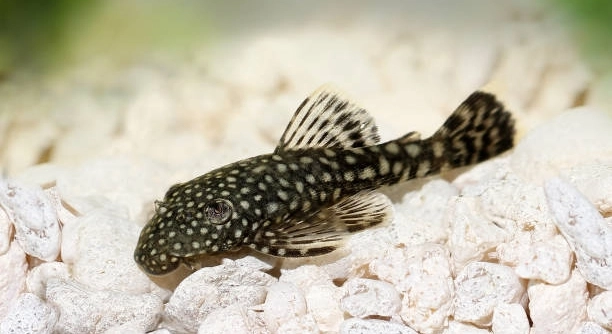
Bristlenose plecos are fascinating freshwater fish that can thrive in home aquariums. If you’re thinking of breeding them, it’s essential to know a few important tips to ensure success. Here’s a guide to help you out.
Breeding bristlenose plecos requires creating the right environment, ensuring water quality, providing proper nutrition, and selecting healthy breeding pairs. Temperature, tank size, and water parameters play a key role in encouraging successful breeding.
Mastering the breeding process involves understanding how to set up their tank, what food to provide, and how to monitor water conditions.
Setting Up the Right Tank for Breeding
When breeding bristlenose plecos, tank setup is critical. They need a peaceful, spacious environment with hiding spots like caves or driftwood. A tank size of at least 20 gallons is recommended, with stable water conditions. Make sure to have a good filtration system to maintain water quality, as plecos can be sensitive to changes.
Water parameters should be kept consistent, with temperatures ranging between 74-80°F (23-27°C) and a pH level of 6.5-7.5. Regular water changes are also important to maintain a healthy environment for the plecos to breed.
Adding live plants can also help create a more natural atmosphere, providing additional hiding spots and surface areas for eggs. The more secure they feel, the better their chances of breeding successfully. It’s also crucial to avoid any aggressive tank mates that could disturb their peace, as this can impact the plecos’ desire to breed.
Proper Nutrition for Breeding Success
Feeding bristlenose plecos a varied diet helps to support their health during breeding. Include high-quality sinking pellets, algae wafers, and fresh vegetables like zucchini and cucumber.
A well-balanced diet ensures that both the males and females are in optimal condition for breeding.
Choosing the Right Breeding Pair
When selecting a breeding pair, it’s important to choose healthy, mature bristlenose plecos. Typically, males develop larger bristles on their snouts once they reach maturity. Females are generally rounder and have a smoother face. A balanced male-to-female ratio is essential for breeding success.
It’s best to select plecos that are at least one year old for breeding. Younger fish may not be ready to breed or could experience complications. Ensure both the male and female are active and show signs of good health, like clear eyes and consistent swimming. A stressed pleco might not breed.
Additionally, observing your plecos before pairing them can provide insight into their compatibility. You may notice some males aggressively claiming territories or courting females. Once you see positive behavior, it’s a good sign that the pair may successfully breed.
Maintaining Water Quality During Breeding
Water quality is one of the most important aspects when breeding bristlenose plecos. A stable environment ensures that the eggs hatch successfully and that the fry grow healthily. Regular water changes are necessary to keep nitrate and ammonia levels low.
Make sure the water temperature stays consistent, as fluctuating temperatures can stress the fish and impact the breeding process. Monitoring the pH and hardness is also crucial, as improper conditions can prevent fertilization. A reliable water test kit helps track these parameters and ensures they stay within the ideal range.
In addition to water changes, maintaining a clean tank is essential to remove any uneaten food or debris. A good filtration system should be in place to provide adequate oxygen levels and prevent the build-up of harmful waste.
Encouraging Breeding Behavior
Bristlenose plecos can be shy, so creating a calm environment is key to encouraging breeding behavior. Make sure there are plenty of hiding spots and a consistent day-night cycle. Males typically create nesting sites, where they’ll attract females to lay their eggs.
Sometimes, introducing a slight temperature increase can trigger breeding behavior. Gradually raising the water temperature by a couple of degrees can simulate the change in seasons. This slight shift helps stimulate reproductive instincts. Keep an eye on the plecos as they begin to show interest in each other, with males guarding the caves.
Monitoring the Eggs
Once breeding occurs, the female will lay her eggs in the male’s cave or other sheltered areas. The male will guard the eggs, aerate them, and keep them clean. It’s important to ensure the eggs remain undisturbed.
During this time, avoid introducing new fish or disturbing the tank too much. The eggs need peace and stability to develop properly. If the conditions are right, you’ll start to see small changes, with the eggs hatching into tiny fry in about 4 to 7 days.
Caring for the Fry
After the eggs hatch, the male pleco will continue to care for the fry. It’s important to leave the male with the young fry to ensure they get the care they need. The fry will stay in the cave for a while before venturing out.
FAQ
What is the ideal temperature for breeding bristlenose plecos?
Bristlenose plecos breed best at temperatures between 74-80°F (23-27°C). Maintaining this temperature range encourages their natural breeding behaviors and ensures optimal conditions for egg development. Temperatures outside this range can cause stress, which may hinder breeding or cause the eggs to not hatch.
How can I tell if my bristlenose plecos are ready to breed?
Mature bristlenose plecos typically become ready to breed at around 12 months of age. Male plecos develop long, thick bristles on their snouts when mature, while females are rounder with smoother faces. If your plecos are active, healthy, and showing courtship behavior, they are likely ready for breeding.
How long does it take for bristlenose pleco eggs to hatch?
After the female lays her eggs, it generally takes around 4 to 7 days for them to hatch. The male will guard and care for the eggs, ensuring they get the necessary oxygen and are kept clean. If the eggs remain healthy, they will hatch into small fry during this time.
What should I feed my bristlenose pleco fry?
Once the fry have hatched, you can begin feeding them finely crushed algae wafers or special fry food. As they grow, you can introduce soft vegetables like zucchini or cucumber, along with algae-based pellets. Make sure to feed them small amounts to avoid overfeeding, which can pollute the water.
Do bristlenose plecos need a specific tank setup to breed?
Yes, bristlenose plecos require a peaceful, spacious tank with plenty of hiding spots for breeding. It’s recommended to use caves or driftwood for them to create nesting sites. The tank should also have a proper filtration system, and the water quality must be maintained with regular changes.
Can bristlenose plecos breed with other types of plecos?
Bristlenose plecos will typically only breed with other bristlenose plecos (Ancistrus species). While they can coexist with other types of plecos, breeding between different species is uncommon and unlikely to result in fertile offspring. It’s essential to keep breeding pairs of the same species together for the best results.
How do I encourage my bristlenose plecos to spawn?
To encourage breeding, ensure the water temperature is within the recommended range (74-80°F), and provide a stable, peaceful environment. You can also simulate seasonal changes by slightly raising the water temperature or changing the water to trigger their natural breeding behavior. A healthy, well-fed pair of plecos is more likely to spawn.
Should I separate the male and female bristlenose plecos after spawning?
No, after spawning, it’s best to leave the male pleco with the eggs and fry. The male will guard and care for the eggs, keeping them oxygenated and clean. Once the fry are old enough to swim on their own, the male will typically stop protecting them, and you can remove him if necessary.
Can bristlenose plecos breed in a community tank?
Yes, bristlenose plecos can breed in a community tank, as long as the environment is calm and peaceful. However, you should monitor for any aggressive tank mates, as these can stress the plecos and prevent breeding. Having plenty of hiding spaces is also essential for their comfort during the breeding process.
How often do bristlenose plecos breed?
Bristlenose plecos can breed multiple times a year, especially in stable conditions. Once a successful breeding cycle is complete, the male may guard new eggs within a few weeks. It’s important to make sure the fish are healthy and well-fed to keep the breeding cycles regular.
What can I do if my bristlenose plecos are not breeding?
If your plecos are not breeding, check the water conditions. Make sure the temperature, pH, and water hardness are within the ideal range. Stress, poor nutrition, or an unsuitable environment can also prevent breeding. Providing more hiding spots and ensuring a comfortable space can encourage them to breed.
Do bristlenose plecos eat their own eggs?
In some cases, bristlenose plecos may eat their own eggs, particularly if the environment is not ideal or if they feel stressed. However, the male usually guards the eggs until they hatch. If the eggs are eaten, it could be due to environmental stress or poor tank conditions.
Final Thoughts
Breeding bristlenose plecos can be a rewarding experience for aquarium enthusiasts. With the right setup, food, and attention to water conditions, it’s relatively easy to encourage successful breeding. It’s important to create a peaceful environment for the plecos and ensure they feel secure, as stress can hinder their breeding process. Providing caves, driftwood, and live plants will not only mimic their natural habitat but also give them the space they need to thrive and breed. Keeping the water quality high through regular water changes and using a reliable filtration system will also help prevent any issues that could affect breeding.
While breeding plecos is generally straightforward, patience is key. The entire process, from setting up the tank to the eggs hatching, can take time. Make sure to carefully observe your plecos and give them the space they need to breed. Male bristlenose plecos usually take the lead in caring for the eggs, guarding them until they hatch. During this time, it’s crucial not to disturb the tank too much. Keeping their environment stable and undisturbed will give the fry the best chance of survival. Once the fry start swimming and exploring their surroundings, it will be time to introduce them to proper food.
In the end, successful breeding depends on maintaining a healthy and stable environment. While bristlenose plecos are hardy fish, breeding can still be challenging if the water quality isn’t maintained or if the conditions aren’t right. Following the tips shared in this article, such as ensuring the proper tank setup, providing a balanced diet, and monitoring water parameters, can increase your chances of breeding success. With a bit of care and attention, you can watch your plecos thrive and enjoy watching the next generation grow in your aquarium.

Hello,
If you enjoy the content that we create, please consider saying a "Thank You!" by leaving a tip.
Every little bit helps us continue crafting quality advice that supports the health, happiness, and well-being of pets around the world, for pets of all shapes, sizes, and species.
We really appreciate the kindness and support that you show us!