
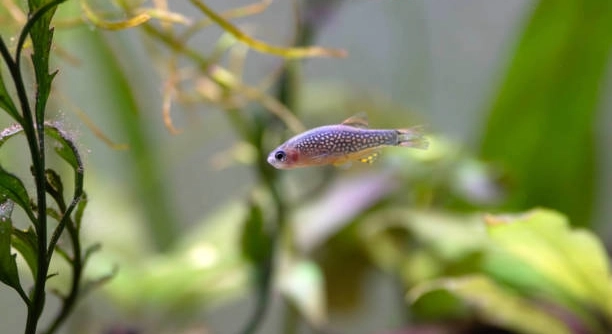
Caring for breeding fish can become challenging when space leads to stress and poor development. Creating layouts that prevent overcrowding keeps your tank balanced and supports healthier conditions for both adult fish and their offspring.
Effective breeding tank layouts rely on spacing, dedicated zones and appropriate plant or shelter placement. These elements reduce competition, lower stress and maintain stable conditions. Careful design ensures each fish has adequate room, preventing crowding and promoting healthier reproductive behavior.
These layout ideas provide simple guidance that helps your fish thrive in a calm environment while supporting development during breeding.
1. Divided Tank Layout
A divided tank layout offers a practical way to manage breeding fish while keeping each section calm and organized. By using clear dividers, you separate adult fish from developing fry, creating safe zones that reduce stress and support growth. It is especially useful when working with species that require personal space or when you want to avoid unnecessary territorial behavior. The setup does not require complicated equipment, which makes it easier to maintain consistent water quality. Adding plants or simple shelters in each section can create gentle cover and improve comfort. With careful spacing and stable filtration, the divided layout allows you to protect your fish without overwhelming the tank. It creates a structured environment that keeps movement balanced, encourages consistent development and helps the breeding process continue smoothly. This approach remains reliable over time and adapts well to different species, giving you results that keep your breeding efforts manageable.
This layout works best when you maintain stable filtration, gentle lighting and balanced feeding. It reduces stress, keeps movement controlled and supports safe development for both adults and fry. With steady upkeep, the divided setup remains dependable and easy to manage throughout each stage of the breeding cycle with confidence.
Maintaining a divided tank requires steady routines that keep conditions even and comfortable. Regular water changes, careful monitoring of each section and slow adjustments to temperature help protect sensitive fry. Plants, caves and light sheltering materials offer gentle cover, making each space feel safe and predictable. Using a neutral substrate and moderate flow prevents debris from collecting too quickly and keeps the layout easy to clean. When each compartment remains stable, your fish settle into healthier patterns that support consistent breeding. This simple system offers controlled organization while helping you protect developing fish without adding unnecessary stress to their environment.
2. Planted Refuge Layout
A planted refuge layout uses dense foliage to create natural separation that protects breeding fish and developing fry. The plants soften movement, stabilize conditions and offer steady cover. This setup works well for species that prefer gentle spaces and minimal disturbance during their breeding cycle while keeping stress levels low.
A planted refuge layout relies on the protective structure of plants to maintain order in a breeding tank. Thick foliage breaks lines of sight, keeping aggression low and allowing each fish to settle in a peaceful space. Floating plants help regulate light while rooted plants provide hiding areas that support fry as they grow. This layout also improves water quality by absorbing excess nutrients, which helps maintain steady conditions. When arranged with open swimming areas, the plants create a balanced environment that guides fish into natural behavior without forcing separation. Slow maintenance routines work well because the plants stabilize the ecosystem and reduce the need for constant adjustments. This design adapts to different species and encourages gentle patterns that keep your breeding efforts smooth and manageable. With careful placement, the planted refuge layout offers a calm structure that lowers stress, supports fry development and creates a visually pleasing space that remains easy to care for over time. This approach supports delicate species by offering softer spaces and predictable movement. Maintaining plant health and trimming overgrowth helps preserve stability so breeding continues smoothly without overcrowding or unnecessary stress building in the tank throughout each stage of their breeding cycle period daily.
3. Sheltered Cave Layout
A sheltered cave layout gives breeding fish calm spaces where they can retreat without constant disturbance. Using small caves or simple structures reduces tension, keeps movement gentle and helps adults protect developing fry in a stable and predictable environment.
A sheltered cave layout works by giving each fish a defined space where they can settle comfortably without competition. The caves soften interactions and provide natural barriers that limit unnecessary chasing. Fry benefit from the darker areas inside the structures, which slow their movement and keep them hidden from adults that may behave unpredictably during breeding. Adding smooth rocks, clay pots or premade shelters helps you shape clear boundaries in the tank. Balanced lighting, light planting and consistent water flow keep the layout simple and safe. When each area feels calm and contained, fish settle into steadier behavior and maintain healthier breeding patterns.
Maintaining a sheltered cave layout requires consistent routines that keep these enclosed areas clean and comfortable. Gentle vacuuming prevents debris from building up inside the structures, and slow water changes help maintain stable conditions. Keeping caves spaced apart prevents territorial overlap that may cause stress. Plants placed around entries create soft cover and give fry extra room to settle. With a predictable layout, fish navigate the tank in a more relaxed way that supports healthy breeding. This design stays reliable when you avoid overcrowding and give each cave enough space to function as its own safe zone.
4. Floating Plant Coverage Layout
A floating plant coverage layout relies on surface plants to create quiet zones that reduce stress and encourage calm behavior. These plants break direct light, soften movement at the surface and form gentle spaces where fry can settle safely while adults remain relaxed.
A floating plant coverage layout uses layers of surface plants to control light, movement and visibility in the breeding tank. The shade they create steadies behavior and limits active chasing, helping adults stay peaceful during breeding. Fry benefit from the tangle of roots, which offer hiding areas and natural barriers that slow the pace of the tank. Light planting underneath maintains open spaces while still giving fish comfortable places to rest. This setup also supports consistent water quality by absorbing extra nutrients and keeping surface activity calm. Gentle flow, regular trimming and careful placement help you maintain the balance needed for a smooth and stress free breeding environment.
5. Open-Space Partition Layout
An open-space partition layout offers structure without blocking the natural flow of the tank. Light dividers guide movement, reduce tension and keep adults from crowding fry while still allowing water to circulate evenly throughout each section.
This layout works well when you need order without creating fully separated zones. The open partitions help limit territorial behavior while maintaining a balanced environment. Fry benefit from calmer pathways, and adults settle into predictable patterns that support healthy breeding without overwhelming the tank.
6. Staggered Structure Layout
A staggered structure layout uses offset decorations to break up the tank into gentle pathways that guide fish movement. By placing rocks, driftwood or simple shelters in a staggered pattern, you limit direct confrontations and create quieter resting areas. These structures help fish spread out naturally, avoiding overcrowded corners and reducing the chance of aggressive behavior. Fry settle into the empty spaces between each structure, where movement remains slow and predictable. Balanced lighting and moderate flow support the layout and keep conditions stable. With steady upkeep, this design remains simple to manage, offering enough separation to keep your breeding fish calm and steady.
7. Multi-Level Shelter Layout
A multi-level shelter layout uses height differences to give fish multiple resting areas that keep movement controlled. Fry settle into the lower levels while adults occupy higher spaces, creating a balanced environment that keeps stress low and prevents overcrowding in any single area.
FAQ
How do I know if my breeding tank is overcrowded?
Signs of overcrowding include frequent chasing, hiding, stress marks on fish, and slower growth of fry. Uneven water quality, cloudy water, and excessive waste are also indicators. Observing fish behavior daily helps you identify when adjustments are needed before problems worsen.
Can too many plants in a tank cause problems?
Yes. While plants provide shelter and reduce stress, too many can limit swimming space and reduce water flow. Overcrowded plants can trap waste, causing spikes in ammonia and nitrites. A balance of open swimming areas and plant coverage works best for breeding.
What is the best way to separate fry from adult fish?
Using dividers, mesh nets, or dedicated fry sections allows safe separation. These barriers prevent adults from accidentally eating fry and reduce stress for both groups. Soft plants or small shelters in each area create natural hiding spots for fry.
How often should I clean a breeding tank?
Regular cleaning is key. Partial water changes of 20-30% twice a week are ideal, depending on the number of fish and size of the tank. Remove debris from corners, under plants, and around decorations to maintain stable water conditions and avoid stress.
Are floating plants necessary in every breeding tank?
Not always, but they are highly beneficial. Floating plants soften light, reduce surface movement, and create shaded areas where fry can hide. They also absorb excess nutrients, helping maintain water quality. Use them where appropriate for species that prefer calm, shaded areas.
What decorations work best for breeding tanks?
Smooth rocks, driftwood, clay pots, and small artificial caves are ideal. They provide shelter, create boundaries, and allow fry to hide safely. Avoid sharp or rough decorations that could injure fish or disrupt delicate fry. Staggering structures helps reduce territorial conflicts.
How do I maintain water flow without stressing fry?
Use gentle filters and position outlets away from fry areas. Adjustable flow filters or sponge filters work well. Minimal current ensures oxygen circulation while keeping fry in calm zones. Avoid strong currents that could push them into unsafe areas or cause unnecessary stress.
How do I manage lighting in a breeding tank?
Moderate lighting is ideal. Too much light increases activity and stress, while too little slows development. Floating plants, shaded areas, and indirect light help maintain balance. Consistent day and night cycles also support natural breeding patterns and fry growth.
Can overcrowding affect breeding success?
Yes. Overcrowding increases stress, aggression, and competition for food, reducing breeding success. Fry may be eaten, and adults may display erratic behavior. Maintaining clear space, separate zones, and proper shelter improves survival rates and promotes natural breeding behavior.
How can I keep fry safe without constant supervision?
Create structured layouts with partitions, shelters, and plants. Balanced feeding, moderate water flow, and regular cleaning reduce risk. Observing daily is enough once the environment is stable. Proper tank design ensures fry have safe spaces while adults occupy separate areas.
What is the role of substrate in a breeding tank?
Substrate provides cover for fry and supports plants or structures. Smooth gravel or sand works best, preventing injuries and trapping fewer waste particles. Avoid sharp or coarse materials, which can stress fry and adults alike. A clean, safe substrate improves overall tank health.
Is it necessary to feed adults and fry differently?
Yes. Adults need larger portions and more protein, while fry require small, frequent feedings of specialized food. Feeding separately or using feeding zones helps ensure fry receive proper nutrition without competition or being eaten by adults. Proper feeding supports steady growth and healthy development.
How do I prevent territorial fights among adults?
Providing multiple shelters, staggering decorations, and creating open swimming zones reduces direct confrontations. Dividers or partitions help establish separate territories. Maintaining balanced numbers and avoiding overcrowding ensures calmer interactions and supports a healthier breeding environment.
Can I use a single tank for multiple species?
It is possible if species are compatible in temperament, size, and water requirements. Careful layout with separate zones, partitions, and sufficient hiding spaces is essential. Observe interactions closely and be ready to adjust if aggression or stress appears. Safe separation improves survival and reduces competition.
What maintenance routines are most effective for breeding tanks?
Daily observation, twice-weekly partial water changes, gentle substrate cleaning, and plant trimming create a stable environment. Monitor water parameters like ammonia, nitrite, nitrate, and pH consistently. Regular filter maintenance and careful adjustments to decorations or partitions help maintain calm, healthy conditions.
How do I balance open space and hiding spots?
Use staggered decorations and floating or rooted plants to create natural hiding spots while keeping open swimming areas. Avoid clustering too many structures in one place. A balanced layout allows fish to move freely, reduces stress, and ensures fry have both safe zones and access to food.
What is the best approach for long-term tank stability?
Consistency matters. Maintain proper water parameters, regular cleaning, balanced layouts, and steady feeding routines. Adjust decorations, partitions, and plant coverage gradually. Monitoring fish behavior ensures stress stays low. A calm, well-structured tank supports repeated successful breeding without overcrowding or sudden disturbances.
This FAQ addresses common concerns and provides practical guidance for maintaining breeding tanks that avoid overcrowding. Following these approaches helps ensure healthy adults, protected fry, and a manageable, balanced environment for all fish.
Final Thoughts
Creating a breeding tank that avoids overcrowding is essential for the health and well-being of your fish. Overcrowded tanks increase stress, cause aggression, and reduce breeding success. By using thoughtful layouts, you can give each fish enough space to swim, rest, and feed comfortably. Designs like divided sections, planted refuges, and staggered structures help create balance while keeping the tank manageable. Even simple additions such as floating plants or small shelters can make a noticeable difference in how calm the fish remain. Proper spacing reduces the risk of injury, protects fry, and encourages natural behavior in adults.
Maintaining a balanced breeding tank requires attention to detail and consistent care. Water quality must be monitored closely, as overcrowding can quickly affect ammonia and nitrate levels. Regular partial water changes, gentle filtration, and careful feeding routines all contribute to a stable environment. Equally important is providing hiding spaces and resting areas that allow fry and adults to separate naturally. Observing behavior daily helps you adjust layout, plants, and shelters as needed. With a calm and structured setup, fish develop more predictably, fry grow safely, and adults remain healthier. Small adjustments over time often yield better results than major changes, keeping the tank stress-free and functional.
The key to successful breeding lies in combining structure, space, and care. Different species may have unique needs, but principles like open swimming areas, shelters, and proper plant coverage are universally helpful. Overcrowding can be avoided by planning tank layouts thoughtfully and maintaining consistent routines. Attention to water flow, lighting, substrate, and feeding ensures the tank remains balanced while supporting both adults and fry. Taking these steps creates a manageable environment where fish thrive naturally. A well-organized breeding tank not only protects fish but also simplifies maintenance, making the breeding process more predictable and successful.

Hello,
If you enjoy the content that we create, please consider saying a "Thank You!" by leaving a tip.
Every little bit helps us continue crafting quality advice that supports the health, happiness, and well-being of pets around the world, for pets of all shapes, sizes, and species.
We really appreciate the kindness and support that you show us!