
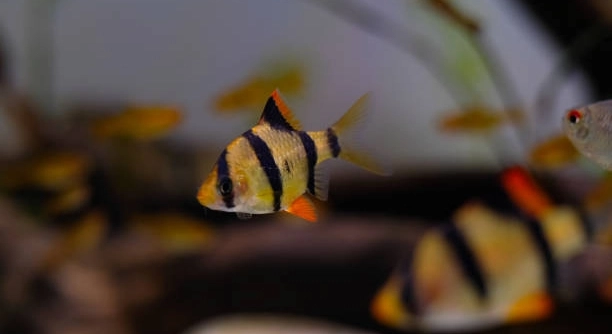
Breeding tiger barbs can be rewarding, but many mistakes can cause stress to these colorful fish. Understanding common errors helps improve their well-being during the breeding process. Proper care is essential for healthy tiger barb fry and parents.
Tiger barbs experience stress from several breeding mistakes, including overcrowding, poor water quality, improper diet, inadequate hiding spaces, incorrect tank temperature, lack of monitoring, and disturbance during spawning. These factors disrupt natural behaviors and harm fish health.
Avoiding these mistakes supports a healthier breeding environment and stronger fish. Learning the right practices will improve your success and keep your tiger barbs calm and thriving.
Overcrowding and Its Impact on Tiger Barbs
Overcrowding is a common problem in breeding tanks that can cause significant stress for tiger barbs. When too many fish are kept in a small space, they compete for oxygen, food, and hiding spots. This competition raises aggression levels and can lead to injuries. Additionally, overcrowded conditions often result in poor water quality because waste accumulates faster than it can be filtered out. Tiger barbs are active swimmers that need room to move freely, especially during spawning. Providing ample space reduces stress and encourages natural behavior, which improves breeding success. Ideally, breeding tanks should have fewer fish and include plenty of plants or decorations for shelter. Regular water changes are also crucial to maintain cleanliness. By controlling the number of fish and ensuring a healthy environment, breeders can support the overall health and well-being of tiger barbs during the delicate breeding period.
Managing tank population carefully helps create a calmer environment. This lowers stress levels and supports the growth of healthy offspring.
Maintaining the right balance in tank population involves monitoring fish numbers and tank size. Too many tiger barbs can overwhelm the space and resources available. Keeping fewer fish allows them to establish territories and reduces fights. Using a tank size of at least 20 gallons for breeding pairs with some fry space is recommended. Adding plants and hiding places gives shy fish a refuge and reduces aggression. Proper filtration and frequent water changes help keep the environment stable. These efforts promote a peaceful setting that encourages breeding and keeps the tiger barbs healthier.
Poor Water Quality Effects on Breeding
Water quality directly affects the health and breeding success of tiger barbs. Contaminated or unbalanced water causes stress and weakens fish immune systems.
Maintaining clean, well-oxygenated water is essential. Regular testing for ammonia, nitrite, nitrate, and pH ensures a stable environment.
Poor water quality harms fish by increasing stress hormones, which interfere with spawning behavior and fry survival. Ammonia and nitrite buildup are toxic and can cause gill damage or death. In addition, fluctuating pH or temperature shocks fish, disrupting breeding cycles. Breeders should perform frequent water changes and use efficient filtration systems to reduce waste and toxins. Monitoring water parameters daily allows quick adjustments, preventing long-term damage. Using water conditioners and keeping the tank free of uneaten food and debris also supports water quality. Ensuring a stable, clean aquatic environment creates ideal conditions for tiger barbs to reproduce successfully without added stress.
Improper Diet During Breeding
A poor diet can cause stress and reduce breeding success. Tiger barbs need a balanced mix of nutrients to stay healthy and ready to spawn.
Feeding only flakes or low-quality food limits essential vitamins and proteins. During breeding, tiger barbs require high-protein diets, including live or frozen foods like brine shrimp and bloodworms. These foods boost energy and improve egg quality. Avoid overfeeding, as leftover food pollutes the water and raises stress levels. Maintaining a varied diet supports the fish’s immune system and increases fry survival rates. Quality nutrition directly affects their ability to reproduce and grow strong offspring.
Offering fresh, nutrient-rich food regularly is crucial. Consistent feeding supports natural breeding behavior and helps reduce aggression caused by hunger.
Lack of Hiding Places
Tiger barbs feel vulnerable when breeding, making hiding spots important. Without shelters, they become stressed and aggressive.
Providing plants, caves, or decorations offers safe retreats for fish, reducing tension during breeding. Hiding places allow weaker or shy fish to escape bullying and help fry avoid predators. This lowers overall stress and supports natural behaviors. When fish feel secure, they are more likely to spawn successfully and care for their young. Using dense plants or breeding boxes can create ideal environments for tiger barbs to thrive. Careful tank setup helps balance aggression and provides comfort for all fish involved in breeding.
Incorrect Tank Temperature
Maintaining the correct water temperature is vital for tiger barbs during breeding. Temperatures that are too high or too low can cause stress and disrupt spawning cycles.
Ideal temperatures for breeding tiger barbs range from 75°F to 79°F (24°C to 26°C). Temperatures outside this range affect metabolism and reduce fertility. Sudden temperature changes increase stress and weaken fish. Using a reliable heater and thermometer helps keep the temperature stable. Consistency supports healthy behavior and encourages successful breeding.
Disturbance During Spawning
Frequent disturbances can stress tiger barbs and interrupt the spawning process. Avoid tapping the glass or sudden movements around the tank during breeding.
Lack of Monitoring
Regular observation is necessary to catch early signs of stress or illness. Monitoring helps adjust conditions promptly and supports the well-being of tiger barbs during breeding.
FAQ
What causes stress in tiger barbs during breeding?
Stress in tiger barbs often results from overcrowding, poor water quality, improper diet, lack of hiding places, incorrect tank temperature, frequent disturbances, and insufficient monitoring. Each of these factors creates an environment that is not conducive to natural breeding behaviors and can weaken the fish’s health.
How does overcrowding affect tiger barbs?
Overcrowding limits space and resources like oxygen and food. This causes increased aggression, injuries, and competition for shelter. Overcrowded tanks also accumulate waste quickly, leading to toxic water conditions that stress the fish and reduce their chances of successful breeding.
What water conditions are best for breeding tiger barbs?
Stable, clean water with a temperature between 75°F and 79°F (24°C to 26°C) is ideal. Ammonia and nitrite levels should be zero, nitrate low, and pH neutral to slightly acidic (around 6.5 to 7.0). Frequent water changes and good filtration keep these conditions steady.
Why is diet important for tiger barbs during breeding?
A balanced diet rich in protein supports energy needs and egg quality. Feeding live or frozen foods such as brine shrimp or bloodworms provides essential nutrients. Overfeeding or feeding only low-quality flakes can cause water pollution and stress the fish.
How many tiger barbs should be kept in a breeding tank?
It’s best to keep only a few pairs in a well-planted tank of at least 20 gallons. This space allows natural behavior and reduces aggression. Providing plenty of hiding places also helps calm the fish and protect the fry.
What hiding places are recommended for breeding tanks?
Dense plants, caves, or breeding boxes work well. These offer shelter for shy fish and protect fry from aggression. Providing hiding spots lowers stress, making fish more likely to spawn successfully.
How should the tank temperature be maintained?
Use a reliable heater and thermometer to keep water between 75°F and 79°F. Avoid sudden temperature changes that shock the fish. Stable temperature supports healthy metabolism and encourages spawning.
What disturbances should be avoided during breeding?
Avoid tapping the glass, loud noises, or sudden movements near the tank. These disturbances increase stress and can cause fish to abandon spawning efforts or harm fry.
Why is monitoring important during breeding?
Regular observation helps detect signs of stress, illness, or water quality issues early. Prompt adjustments prevent problems from worsening and support fish health throughout the breeding cycle.
What are the signs of stress in tiger barbs?
Signs include hiding excessively, loss of appetite, faded colors, erratic swimming, and increased aggression. Recognizing these signs early allows quick intervention to improve conditions.
How often should water changes be performed?
Frequent partial water changes, about 20-30% weekly, keep water clean and reduce toxin buildup. This supports a healthy environment necessary for breeding success.
Can tiger barbs breed in community tanks?
Breeding in community tanks is possible but less ideal due to stress from other fish, limited space, and increased predation risk on eggs and fry. Separate breeding tanks offer better control and higher success rates.
What is the best way to care for tiger barb fry?
Fry need clean water, gentle filtration, and plenty of hiding spots. Feeding small live foods like infusoria or newly hatched brine shrimp encourages growth. Regular monitoring ensures they stay healthy during early development.
Breeding tiger barbs can be a rewarding experience, but it requires careful attention to several important factors. Avoiding common mistakes like overcrowding, poor water quality, and improper diet is essential to reduce stress in these fish. Stress not only affects their health but also lowers their chances of successful breeding. Providing the right environment, including stable temperature and plenty of hiding places, helps tiger barbs feel secure. When fish feel comfortable, they are more likely to display natural breeding behaviors and produce healthy offspring.
Maintaining good water quality is one of the most critical tasks in breeding tiger barbs. Regular water changes and proper filtration keep harmful substances like ammonia and nitrites at safe levels. This reduces stress and supports fish immune systems. Temperature control also plays a key role, as tiger barbs need a consistent temperature between 75°F and 79°F for optimal breeding. Sudden changes or extremes can disrupt spawning and cause illness. By paying close attention to water conditions, breeders can create a stable and healthy habitat for their fish.
Successful tiger barb breeding also depends on monitoring and care. Watching the fish closely helps identify early signs of stress or health problems. Reducing disturbances during spawning and offering a high-protein diet encourage breeding activity. It is important to keep the tank clean and well-planted to provide shelter for both adult fish and fry. Taking these steps helps lower stress and supports the growth of strong, healthy tiger barbs. Overall, careful management and attention to detail are key to breeding success and maintaining the well-being of these vibrant fish.

Hello,
If you enjoy the content that we create, please consider saying a "Thank You!" by leaving a tip.
Every little bit helps us continue crafting quality advice that supports the health, happiness, and well-being of pets around the world, for pets of all shapes, sizes, and species.
We really appreciate the kindness and support that you show us!